The Strongest October Housing Market in 3 Years: What Zillow’s New Report Means for Today’s Pros

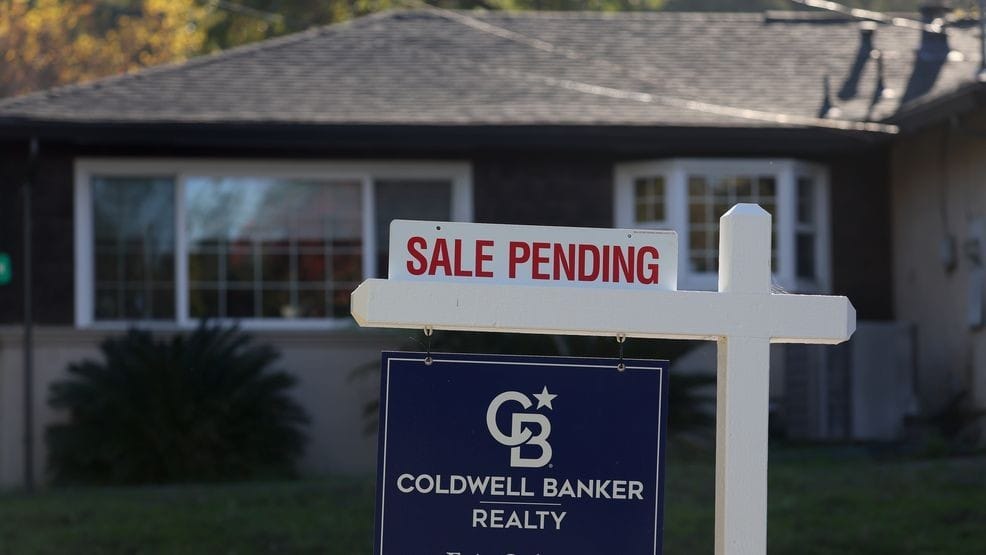
Home with sale pending sign

According to a fresh report from The National Desk, the U.S. just experienced its strongest October housing market in three years. Inventory is rising, affordability is improving, and new listings and pending sales are both up 5% year-over-year.

For real estate professionals, this shift may feel like a long-awaited breath of fresh air after years of tight supply and elevated rates. And if you’re a Florida agent—or working toward becoming one—this could be the early sign that 2025 is preparing for real momentum.

A Housing Market Turning a Corner

Zillow’s report shows a market finally regaining balance nationwide. In October, three additional major metros officially transitioned into buyer-friendly territory.

19 major markets now favor buyers — nine more than last year.
Source: Zillow

Bankrate analyst Jeff Ostrowski described the data as “promising,” though he noted the market hasn’t fully recovered just yet.

Existing home sales remain around an annual pace of 4 million—well below the “healthy” 6 million benchmark.

The Lock-In Effect Is Finally Loosening

For years, sellers with ultra-low mortgage rates sat tight, unwilling to trade a 3% rate for a 6%+ alternative. But the tide is finally shifting. Mortgage rates have declined for six consecutive weeks:

30-year fixed (mid-October): 6.27%
Last year: 6.44%
Two years ago: 7.63%
Source: Freddie Mac

Zillow also reports that home values have essentially leveled off—up just 0.1% year-over-year—which is stabilizing for both buyers and sellers.

Inventory Is Finally Catching Up

The inventory shortfall that defined the post-pandemic market has dramatically improved.

Inventory shortfall vs. pre-pandemic: now 17%
Down from 51% in February 2022

Total housing inventory is up nearly 13% year-over-year. For agents, that means more listings, more activity, and more opportunities to expand business.

Affordability Hits a Three-Year High

Zillow noted that affordability—still a challenge—has improved to levels unseen since 2022.

Typical mortgage burden: 32.9% of median household income
Best since August 2022

Although still beyond the ideal 30%, analysts say lower rates and softer pricing may “grease the wheels of the market.”

What This Means for First-Time Buyers

The average first-time buyer age has hit 40 for the first time—up sharply from 33 just five years ago, according to NAR.

As Jessica Lautz of NAR told The National Desk, this delay is impacting long-term wealth-building.

“It means 10 years of lost housing wealth gains for first-time homebuyers… and slower wealth-building for generations to come.”

The 2026 Outlook: A Big Upswing?

NAR predicts a 14% surge in home sales in 2026, alongside a 4% rise in prices—suggesting that today’s market shifts may be the first signals of a stronger cycle ahead.

What This Means for Real Estate Professionals

Going into 2025, agents will find a market that rewards preparation. More inventory, more affordability, and more buyers returning all point to renewed activity for those ready to capitalize.

If you’re renewing your license or entering the field for the first time, now is the moment to elevate your skill set. Florida real estate schools like Cameron Academy continue helping thousands of students stay ahead with modern, market-ready education.

Because when the market heats back up… the professionals who learn today will lead tomorrow.

More Articles

Getting licensed or staying ahead in your career can be a journey—but it doesn’t have to be overwhelming. Grab your favorite coffee or tea, take a moment to relax, and browse through our articles. Whether you’re just starting out or renewing your expertise, we’ve got tips, insights, and advice to keep you moving forward. Here’s to your success—one sip and one step at a time!

Emerging Greenhouse Risks and Insurance Trends Shaping 2026

The greenhouse industry is entering 2026 with a complex wave of overlapping risks — from rising insurance costs and extreme weather to cyber threats, labor shortages, and unstable supply chains. These challenges aren’t isolated; they compound one another, increasing pressure on growers and business owners alike. Insights from industry experts reveal the key trends shaping risk management in the year ahead and what operators must do now to stay resilient.

Bank Regulations Are Shifting — How New FDIC Rules Are Reshaping Commercial Real Estate

New FDIC reporting rules are changing how banks classify and disclose commercial real estate loans, replacing the old Troubled Debt Restructuring label with clearer “financial difficulty” modifications and expanding transparency across structured products and capital requirements. These updates may briefly tighten lending but ultimately promise stronger liquidity, cleaner risk data, and more predictable CRE financing as banks adapt.

AI in Real Estate: The Market Shift Every Professional Must Prepare For

Artificial intelligence is no longer an upcoming trend—it's already reshaping how real estate professionals work, compete, and win. With the AI real estate sector set to surge from $222B in 2024 to nearly $1T by 2029, the industry is undergoing a rapid transformation in valuations, virtual tours, listings, investment analysis, and client management. Agents and investors who embrace AI tools are gaining unprecedented efficiency and insight, while those who resist risk falling behind.

The 50‑Year Mortgage Debate: Lifeline for Buyers or Decades of Debt?

The Federal Housing Finance Agency is weighing the idea of 50‑year mortgages, a move that could make monthly payments more affordable but dramatically increase total interest costs. Supporters say it may help young professionals break into the housing market, while critics warn it could trap families in half a century of debt. As the industry debates this controversial loan option, real estate and mortgage professionals must stay informed to guide clients through the shifting landscape.

December Mortgage Outlook: Why Rates May Rise Despite Market Confusion

December is shaping up to be another unpredictable month for mortgage rates. With the Federal Reserve signaling mixed messages, key economic reports running behind schedule, and lenders already looking ahead to 2026, rates could face upward pressure. Experts from Fannie Mae and the MBA project an average 30‑year rate around 6.3% for late 2025, suggesting a potential December bump. For real estate and mortgage professionals, understanding this volatility isn’t just helpful — it’s a competitive edge.

The Housing Market Hits a Winter Chill

Sellers are cutting prices at record levels, delistings are surging to highs not seen since 2017, and buyers remain hesitant despite slightly lower mortgage rates. With affordability still strained and new construction slowing, the 2025 housing market is entering a deeper‑than‑usual winter slowdown marked by caution on all sides.