The Easiest Way to Profit From the AI Boom Might Not Be Tech at All
AI is generating more wealth, more millionaires, and more disruption than anything we have seen in years. While the world races to invest in AI stocks, chase high-stakes tech careers, or catch the next innovation wave, a recent analysis from Financial Samurai reveals something surprising.
The easiest and safest way to profit from AI is not tech at all.
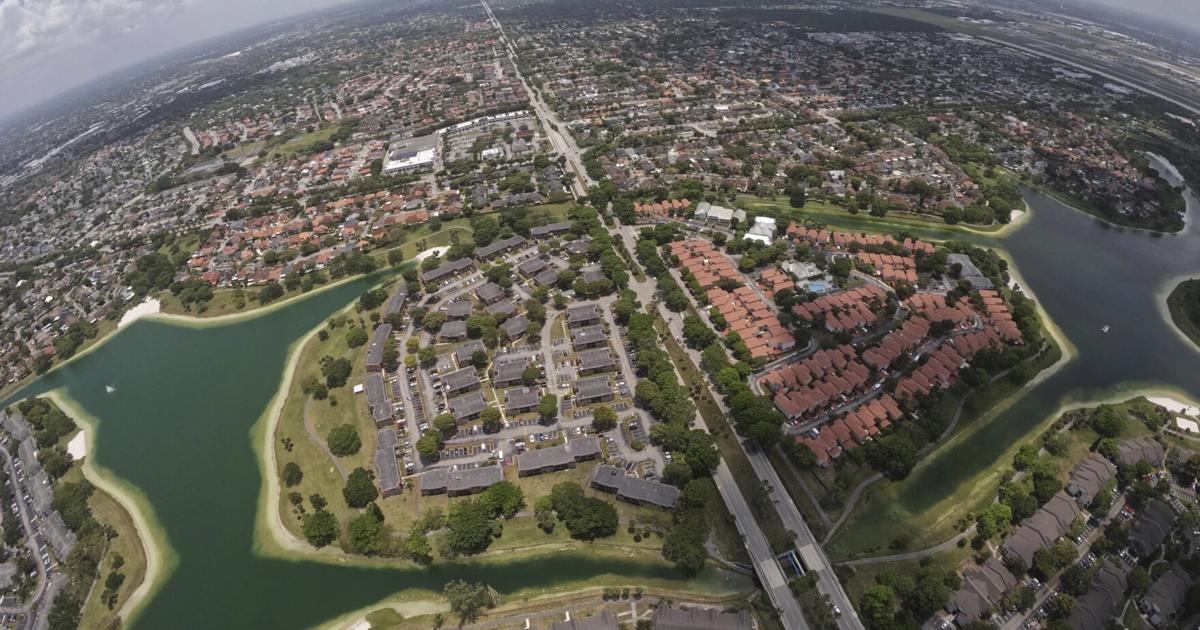
It is real estate. More specifically, real estate located in fast-growing AI boomtowns.
The Three Ways People Try to Profit From AI
Most people try to capitalize on the AI explosion in one of three ways:
1. Invest in AI companies.
2. Work for AI companies.
3. Invest in real estate in AI-driven markets.
However, choosing AI stocks with perfect timing is incredibly difficult. Landing a job in a top AI firm is even harder, with intense competition and limited openings.
But buying property in cities benefiting from AI growth is a strategy almost anyone can use. You do not need to pick the winning startup. You simply benefit from the entire industry rising together, as its workers drive long-term housing demand.
The Picks and Shovels Strategy for the AI Age
During every gold rush, the real winners were the ones selling the shovels. In todays AI rush, real estate in the right cities is the modern shovel.
Financial Samurai highlights a key trend: once AI employees receive stock compensation or IPO windfalls, many immediately buy homes. That push creates rising rents, rising home prices, and strengthened long-term demand.
Where AI Is Creating the Most Real Estate Opportunity
Certain major cities are already seeing this surge.
San Francisco and San Jose
This region remains the world capital of AI. Giants like OpenAI, Anthropic, Scale AI, Databricks, and NVIDIA anchor a powerhouse ecosystem. Limited housing and massive funding waves mean fierce real estate pressure.
Seattle
Home to Microsoft and Amazon, Seattle rides one of the largest AI engines on the planet. Stock-based compensation alone pushes annual home upgrades and relocations.
Austin
A rapidly growing tech haven, Austin continues attracting AI workers, startups, and remote professionals. Although supply temporarily softened prices, migration and hiring trends point to a strong rebound.
New York City
NYC is becoming the center of AI monetization. Wall Street, fintech, and enterprise AI inject massive new capital, which intensifies housing demand across the five boroughs.
Real Estate Demand Is Surging Again
Agents in San Francisco report extremely low inventory and high demand from private AI company employees preparing for liquidity events. Renters in AI roles are already paying premiums and will soon transition to buyers once IPOs hit.
You do not need to decide whether OpenAI, Anthropic, or any other AI firm wins. You only need to recognize that AI is expanding rapidly and wealth is clustering in specific cities.
How This Connects to Your Career
Whether you are entering real estate or advancing your career, AI-driven markets offer some of the strongest long-term opportunities in the country. Agents, brokers, property managers, mortgage pros, and appraisers are all benefiting from this accelerated activity.
If you are preparing to get licensed, Cameron Academy offers modern, success-focused real estate licensing programs built to help professionals thrive in high-growth markets and stay competitive.
Why Real Estate Licensing Matters in an AI Boom
– AI-driven markets bring higher-income clients.
– More transactions occur as workers upgrade their homes.
– Investors look for knowledgeable agents who understand tech-influenced markets.
– Licensing gives you a stake in the long-term growth of these areas.
These trends make now one of the smartest times to enter or expand in real estate. Whether in Florida or any fast-growing AI hub, being licensed puts you at the center of the opportunity wave.
Neutral Real Estate: A Smart Minimum Strategy
Even if you are not ready for major investments, owning your own home remains one of the best ways to hedge against AI-fueled price increases. Experts recommend locking in a quality place if you plan to stay in a booming city for 5 to 10 years.
The Bottom Line
AI engineers can chase breakthroughs. You can own the land they will eventually want.
With billions in liquidity entering a few key cities, real estate continues to be one of the most reliable ways to benefit from the AI revolution. And if you want to participate from the professional side, building your foundation through strong real estate education is your first step.
Explore streamlined, modern, exam-focused licensing programs at Cameron Academy and take the next step toward your future.
Source inspiration: Financial Samurai
More Articles
Getting licensed or staying ahead in your career can be a journey—but it doesn’t have to be overwhelming. Grab your favorite coffee or tea, take a moment to relax, and browse through our articles. Whether you’re just starting out or renewing your expertise, we’ve got tips, insights, and advice to keep you moving forward. Here’s to your success—one sip and one step at a time!
Lower interest rates, improving buyer confidence, and a resilient job market are setting the stage for a stronger South Florida real estate landscape in 2026. After a steadier‑than‑expected 2025, single‑family homes remain competitive, condos are stabilizing despite regulatory pressures, and commercial real estate continues to outperform national trends — giving industry professionals plenty to watch in the year ahead.
Economists across the housing industry are signaling that 2026 may finally bring a true market rebalance. With mortgage rates expected to ease, inventory slowly expanding and affordability showing its first real improvement in years, home sales could climb by 14% nationwide. Prices are projected to rise only modestly, builders are ramping up cautiously and shifting demographics are reshaping who’s buying—and what they’re looking for. For real estate and finance professionals, this more active and balanced landscape sets the stage for a strong year of opportunity.
South Florida enters 2026 with renewed confidence as easing mortgage rates, a solid job market, and stabilizing housing trends breathe life back into both single‑family and condo sectors. After an uneven 2025 marked by high costs and condo‑related challenges, lower borrowing rates are drawing buyers back, encouraging more homeowners to list, and positioning the region for a more balanced — though still competitive — year ahead.
The U.S. real estate landscape is entering a defining year, driven by AI innovation, reimagined office spaces, immersive retail, and resilient industrial growth. Investors are becoming more selective, while ESG expectations are solidifying into essential standards for value and tenant demand. For professionals looking to stay competitive in 2026, understanding these shifts—and upskilling accordingly—will be key to navigating an industry rapidly transforming in real time.
Conforming mortgage credit has dropped to its lowest level since the MBA began tracking it in 2011, signaling a major tightening in loan options as 2026 begins. December’s Mortgage Credit Availability Index fell 2.6%, driven by shrinking ARM offerings, fewer cash‑out refi programs, and stricter documentation requirements. With conforming loans seeing the sharpest decline—down 3.8%—both buyers and mortgage professionals face a more challenging lending landscape that demands stronger financial profiles and up‑to‑date industry knowledge.
A new NAR outlook shows that first-time buyers may finally be gaining traction in 2026 as rising inventory, easing rates, and creative financing strategies open long-awaited pathways into homeownership. From ARMs and government-backed loans to family support, grants, and co-buying, younger buyers are finding new ways to “make the math work.” Builders are also stepping in with incentives and expanded townhome construction, signaling a slow but meaningful shift toward improved affordability.