The revolution in telehealth is not just a trend—it’s a transformative force reshaping the healthcare landscape. As highlighted by Amy Groden-Morrison, VP of Marketing at Alpha Software, understanding these advancements is crucial for making informed decisions for the future. The digital health market is projected to skyrocket to $551.09 billion by 2027, driven by innovations in AI, telehealth, and wearable technology.
Telehealth: A New Era in Healthcare
Telehealth has dramatically transformed healthcare delivery, offering increased accessibility and reshaping patient care. The COVID-19 pandemic accelerated its adoption, with the U.S. experiencing a 154% surge in telehealth visits in March 2020. This adaptability is mirrored in mental health services, where telepsychiatry has become essential for continuous patient support, especially in remote areas.
Financially, telehealth presents significant cost-saving opportunities by reducing non-urgent emergency visits. A McKinsey report suggests that up to $250 billion of U.S. healthcare spending could be virtualized.
Beyond Healthcare: Cross-Industry Applications
Telehealth technology extends its benefits beyond healthcare. In education, it bridges the gap between medical knowledge and practical application, enhancing clinical skills through simulation training. Platforms like Project ECHO facilitate knowledge sharing among healthcare professionals.
In the corporate world, telehealth is integral to wellness programs, providing employees with convenient access to health services. This integration boosts productivity and reduces healthcare costs, as noted by the National Business Group on Health.
Technological Integration: No-Code and Low-Code Platforms
The rise of No-Code (NC) and Low-Code (LC) platforms is reshaping operational dynamics in healthcare. These platforms allow for the rapid development and deployment of digital solutions, making technology more accessible. According to a Healthcare Management Review study, they can accelerate clinical application development by 50-70%, reducing costs and improving efficiency.
Personalization and Future Prospects
Personalizing telehealth services enhances patient satisfaction and engagement. Studies show that personalized interventions improve outcomes in chronic disease management, such as diabetes. AI and wearable technologies are advancing diagnostic precision and real-time monitoring, paving the way for more effective care.
As we move into 2024, the integration of telehealth, AI, and wearables promises to set new benchmarks for accessible and personalized healthcare services. This evolution points towards a more connected, health-conscious future, as detailed in the original article.
More Articles
Getting licensed or staying ahead in your career can be a journey—but it doesn’t have to be overwhelming. Grab your favorite coffee or tea, take a moment to relax, and browse through our articles. Whether you’re just starting out or renewing your expertise, we’ve got tips, insights, and advice to keep you moving forward. Here’s to your success—one sip and one step at a time!
Among the bustling cities, New York, NY, stands out, capturing 3.4% of the total online traffic. This is followed by Dallas, TX (2.7%), Chicago, IL (2.6%), Miami, FL (2.5%), and Tampa, FL (1.9%). These cities have emerged as hotspots for prospective homebuyers, reflecting a high level of interest and potential market growth.
In a significant move to bolster consumer protections in the mortgage sector, Texas has enacted new regulations aimed at enhancing transparency and accountability among mortgage lenders and servicers.
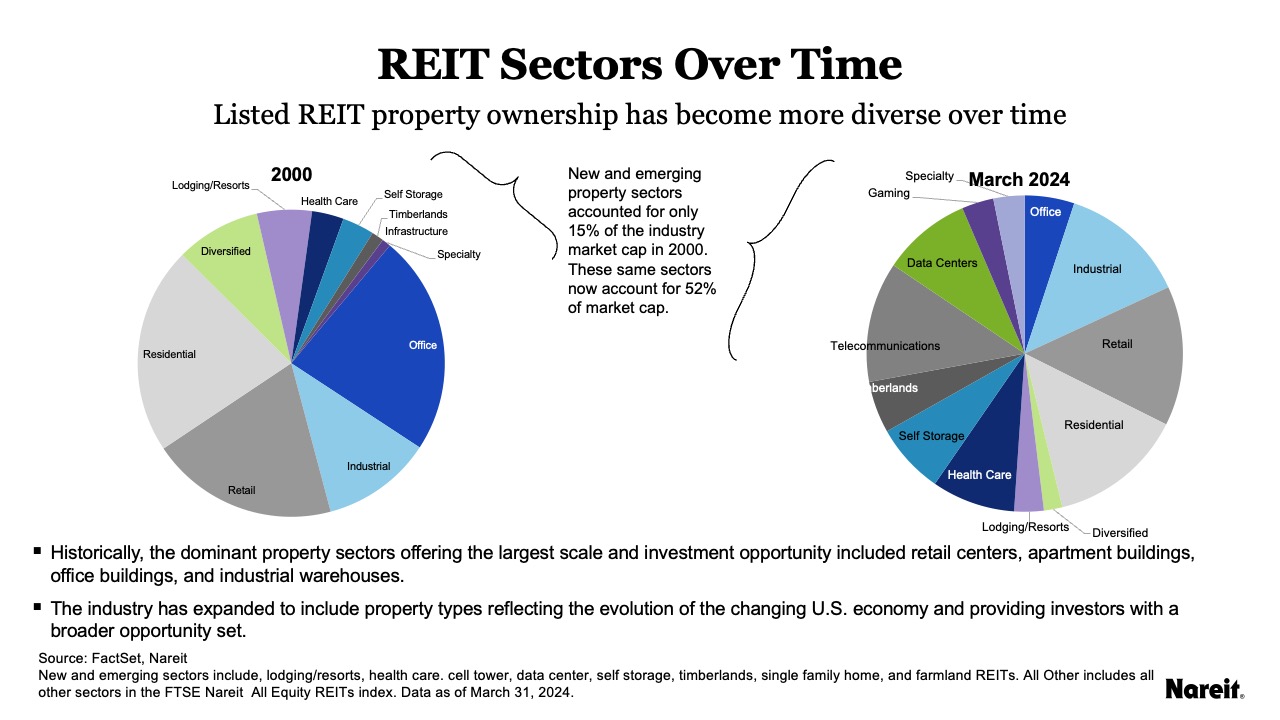
In the world of retirement planning, the integration of underrepresented asset classes into defined contribution (DC) plans is gaining momentum. For decades, defined benefit (DB) pension plans have successfully leveraged real estate within their investment portfolios. Now, DC plans are following suit, largely through the use of Real Estate Investment Trusts (REITs).
REITs have democratized real estate investment, allowing individuals to invest in diverse property portfolios with the same ease as purchasing stocks. The beauty of REITs lies in their ability to transform traditionally illiquid assets into liquid ones, offering investors both liquidity and diversification.
As economic uncertainty continues to cast a shadow over global markets, investors are increasingly seeking strategies to safeguard and grow their wealth.
In a bold move set to transform the real estate sector, EstateSlice NFT is leveraging blockchain technology to break down traditional barriers to property investment.