The Tokenization Tsunami: How Crypto’s New Wave Is Crashing Into Wall Street, Washington, and Your Future
The financial world is entering a new era—one built not on paper or Wall Street trading floors, but on code, blockchain rails, and 24/7 global access. Tokenization, once a fringe concept whispered only in crypto circles, has now surged into the mainstream as major institutions scramble to adapt. And with political winds shifting and crypto reaching new highs, this transformation is accelerating.
At the center of it all is a simple but powerful idea: convert real-world assets into digital tokens that anyone can trade, anytime, anywhere.
Tokenization isn’t just a trend—it’s a structural evolution in how financial assets may be bought, sold, and owned.
What Exactly Is Tokenization?
Tokenization uses blockchain technology to create digital tokens that represent real assets—stocks, bonds, real estate, collectibles, and even fractional pieces of rare art. If it exists, it can likely be tokenized.
Katie Haun, crypto venture capitalist, compares tokenization to the rise of streaming services: once viewers weren’t locked into Thursday-night TV schedules, the entire entertainment industry shifted. Likewise, tokenization breaks down barriers that have kept certain investments exclusive to the wealthy or well-connected.
In short: if Netflix disrupted entertainment, tokenization may disrupt global financial markets.
Momentum Is Building—Fast
Companies aren’t waiting. Robinhood began offering tokenized stock trading to European customers and even distributed tokens representing shares in colossal startups like OpenAI and SpaceX. Kraken has entered the arena. Coinbase is petitioning regulators for U.S. access. Investment giants like BlackRock and Franklin Templeton have already launched tokenized money-market funds. McKinsey estimates tokenized assets could surpass $2 trillion by 2030.
We’re not in a test phase anymore—this is a sprint.
The Crypto “Golden Age” and the Trump Catalyst
With crypto markets booming and the Trump administration pushing aggressively pro-crypto regulation—including a newly signed stablecoin law—the industry is feeling revitalized. SEC Chairman Paul Atkins signaled openness to innovation, encouraging even greater participation from fintech firms and investors.
As Duke University’s Lee Reiners observes, the irony is striking: crypto was designed to cut out intermediaries, yet exchanges like Robinhood may become the biggest winners.
But… Is This Legal?
This is where the excitement meets friction. Tokenized assets challenge decades-old securities laws. Binance faced regulatory pushback as early as 2021, and the SEC still maintains a cautious stance. Commissioner Hester Peirce warned that tokenized stock issuers must honor disclosure requirements—blockchain doesn’t eliminate legal obligations.
Hilary Allen of American University warns that regulatory arbitrage—using tokenization to bypass investor protections—could recreate the risky, unregulated environment of the 1920s stock market.
Think About It:
If assets become tradable 24/7 worldwide, how do regulators keep markets safe?
Consider the ripple effects on real estate, lending, securities, and private markets.
The Private Company Battleground
The most controversial battleground? Tokenizing shares of private companies. These firms don’t have strict reporting requirements, making them riskier for everyday investors. Yet private companies are staying private longer, accumulating immense wealth for insiders while regular investors remain excluded.
Advocates say this is exactly why democratizing access matters. But not everyone agrees.
When Robinhood distributed tokens tied to OpenAI shares, OpenAI responded forcefully: “Any transfer of OpenAI equity requires our approval—we did not approve any transfer. Please be careful.”
The concern: without transparency, investors could stumble into pitfalls reminiscent of pre-SEC-era scams.
What This Means for Professionals—and Why Cameron Academy Students Should Pay Attention
Whether you work in real estate, finance, insurance, lending, or any sector involving asset ownership, tokenization is poised to reshape your professional landscape. Real estate already experiments with tokenization to enable fractional ownership and global liquidity—an innovation that could redefine property transactions.
For licensed professionals, this shift presents both opportunity and responsibility. Understanding emerging financial structures can set you apart and prepare you for tomorrow’s marketplace.
That’s why institutions like Cameron Academy emphasize cross-industry literacy, regulatory awareness, and preparation for the next wave of financial innovation.
The Bottom Line: A New Financial Era Has Begun
Tokenization is disruptive, exhilarating, controversial, and transformative. Whether it becomes the new standard or sparks a regulatory showdown, one truth is undeniable: the conversation has already shifted from “if” to “how fast.”
As always, staying educated is the key to staying ahead.
Getting licensed or staying ahead in your career can be a journey—but it doesn’t have to be overwhelming. Grab your favorite coffee or tea, take a moment to relax, and browse through our articles. Whether you’re just starting out or renewing your expertise, we’ve got tips, insights, and advice to keep you moving forward. Here’s to your success—one sip and one step at a time!
The title insurance industry is entering 2026 with a renewed focus on technology, operational efficiency, and stronger agent support after years of volatility. Leaders from major underwriters report rising transaction activity, improved affordability, and a surge in automation and fraud‑prevention tools—signs that smarter systems and better training will define the next wave of growth.
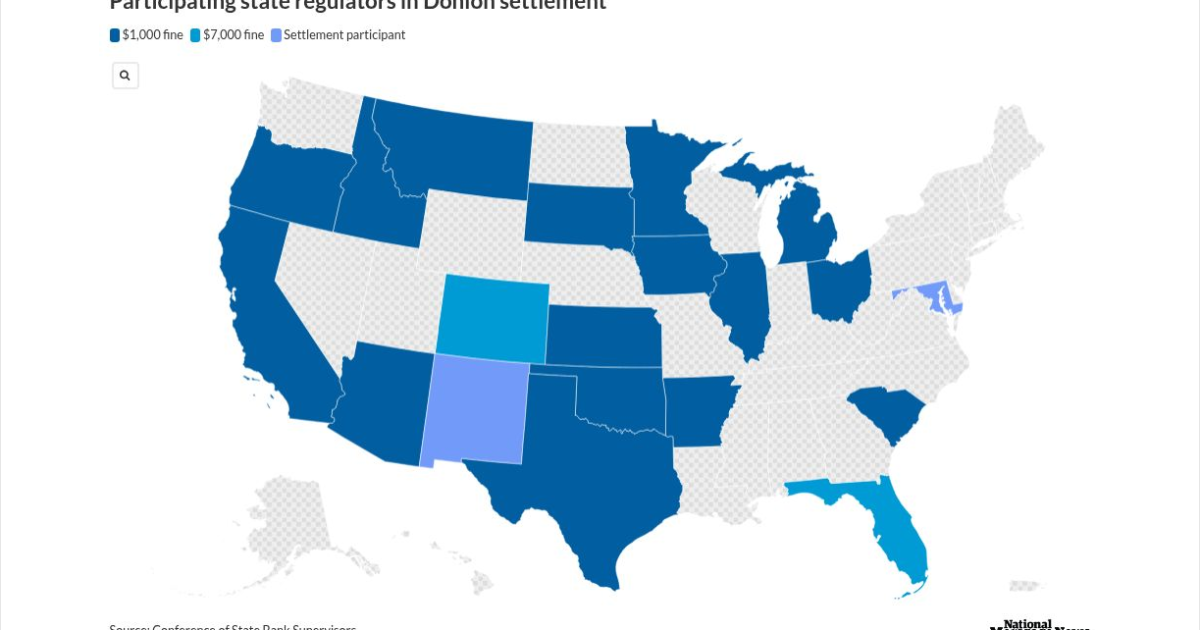
A multistate crackdown has sent shockwaves through the mortgage industry as Patrick Terrance Donlon, CEO of Trusted American Mortgage, accepted a sweeping settlement that bans him from working as a mortgage loan originator in 21 states—19 of them permanently. Regulators say Donlon had another individual complete his mandatory licensing and continuing‑education courses, a violation that triggered a coordinated investigation and a $31,000 penalty. The case underscores regulators’ growing intolerance for education fraud and serves as a sharp reminder to industry professionals: cutting corners on licensing can end careers.
Florida’s once‑booming housing market is cooling fast as rising insurance premiums, increasing foreclosures, and expanding flood zones push buyers to back out of deals and force sellers to cut prices. With insurance now adding thousands to annual housing costs, professionals across real estate, mortgage, and insurance are navigating a dramatically shifting landscape that’s redefining affordability in the Sunshine State.
Florida begins 2026 with a wave of more than 250 new laws now in effect, impacting healthcare, insurance, real estate, and consumer protections statewide. From free breast cancer screenings for state employees to tighter pet insurance regulations, mandatory healthcare refund rules, enhanced animal‑cruelty penalties, and new condo‑management requirements, these updates carry major implications for professionals navigating Florida’s evolving regulatory landscape.
Florida’s barrier islands may offer postcard-perfect beaches and soaring real estate demand, but they’re also some of the most fragile and costly places to build in the United States. With 765,000 residents living on land that shifts, sinks, and takes the brunt of every major hurricane, the financial and insurance risks are accelerating fast. From billion‑dollar beach rebuilds to towers settling into the sand, today’s coastal development challenges are reshaping conversations around property values, disclosure, and long‑term resilience. For real estate professionals, understanding these risks isn’t just smart — it’s becoming essential.
A Cedar City development is turning heads with its fresh approach to affordability. The team behind Temple View Commons is delivering luxury‑inspired twin homes at prices below the local median by using a small, hands‑on staff and cutting traditional costs like realtor commissions. In a tight Utah housing market where inventory is scarce and prices remain high, their strategy offers a realistic path to homeownership without sacrificing high‑end finishes.


 Title Insurance Leaders Double Down on Tech and Efficiency to Drive 2026 Market Momentum Gallery