The Tokenization Tsunami: How Crypto’s New Wave Is Crashing Into Wall Street, Washington, and Your Future
The financial world is entering a new era—one built not on paper or Wall Street trading floors, but on code, blockchain rails, and 24/7 global access. Tokenization, once a fringe concept whispered only in crypto circles, has now surged into the mainstream as major institutions scramble to adapt. And with political winds shifting and crypto reaching new highs, this transformation is accelerating.
At the center of it all is a simple but powerful idea: convert real-world assets into digital tokens that anyone can trade, anytime, anywhere.
Tokenization isn’t just a trend—it’s a structural evolution in how financial assets may be bought, sold, and owned.
What Exactly Is Tokenization?
Tokenization uses blockchain technology to create digital tokens that represent real assets—stocks, bonds, real estate, collectibles, and even fractional pieces of rare art. If it exists, it can likely be tokenized.
Katie Haun, crypto venture capitalist, compares tokenization to the rise of streaming services: once viewers weren’t locked into Thursday-night TV schedules, the entire entertainment industry shifted. Likewise, tokenization breaks down barriers that have kept certain investments exclusive to the wealthy or well-connected.
In short: if Netflix disrupted entertainment, tokenization may disrupt global financial markets.
Momentum Is Building—Fast
Companies aren’t waiting. Robinhood began offering tokenized stock trading to European customers and even distributed tokens representing shares in colossal startups like OpenAI and SpaceX. Kraken has entered the arena. Coinbase is petitioning regulators for U.S. access. Investment giants like BlackRock and Franklin Templeton have already launched tokenized money-market funds. McKinsey estimates tokenized assets could surpass $2 trillion by 2030.
We’re not in a test phase anymore—this is a sprint.
The Crypto “Golden Age” and the Trump Catalyst
With crypto markets booming and the Trump administration pushing aggressively pro-crypto regulation—including a newly signed stablecoin law—the industry is feeling revitalized. SEC Chairman Paul Atkins signaled openness to innovation, encouraging even greater participation from fintech firms and investors.
As Duke University’s Lee Reiners observes, the irony is striking: crypto was designed to cut out intermediaries, yet exchanges like Robinhood may become the biggest winners.
But… Is This Legal?
This is where the excitement meets friction. Tokenized assets challenge decades-old securities laws. Binance faced regulatory pushback as early as 2021, and the SEC still maintains a cautious stance. Commissioner Hester Peirce warned that tokenized stock issuers must honor disclosure requirements—blockchain doesn’t eliminate legal obligations.
Hilary Allen of American University warns that regulatory arbitrage—using tokenization to bypass investor protections—could recreate the risky, unregulated environment of the 1920s stock market.
Think About It:
If assets become tradable 24/7 worldwide, how do regulators keep markets safe?
Consider the ripple effects on real estate, lending, securities, and private markets.
The Private Company Battleground
The most controversial battleground? Tokenizing shares of private companies. These firms don’t have strict reporting requirements, making them riskier for everyday investors. Yet private companies are staying private longer, accumulating immense wealth for insiders while regular investors remain excluded.
Advocates say this is exactly why democratizing access matters. But not everyone agrees.
When Robinhood distributed tokens tied to OpenAI shares, OpenAI responded forcefully: “Any transfer of OpenAI equity requires our approval—we did not approve any transfer. Please be careful.”
The concern: without transparency, investors could stumble into pitfalls reminiscent of pre-SEC-era scams.
What This Means for Professionals—and Why Cameron Academy Students Should Pay Attention
Whether you work in real estate, finance, insurance, lending, or any sector involving asset ownership, tokenization is poised to reshape your professional landscape. Real estate already experiments with tokenization to enable fractional ownership and global liquidity—an innovation that could redefine property transactions.
For licensed professionals, this shift presents both opportunity and responsibility. Understanding emerging financial structures can set you apart and prepare you for tomorrow’s marketplace.
That’s why institutions like Cameron Academy emphasize cross-industry literacy, regulatory awareness, and preparation for the next wave of financial innovation.
The Bottom Line: A New Financial Era Has Begun
Tokenization is disruptive, exhilarating, controversial, and transformative. Whether it becomes the new standard or sparks a regulatory showdown, one truth is undeniable: the conversation has already shifted from “if” to “how fast.”
As always, staying educated is the key to staying ahead.
Getting licensed or staying ahead in your career can be a journey—but it doesn’t have to be overwhelming. Grab your favorite coffee or tea, take a moment to relax, and browse through our articles. Whether you’re just starting out or renewing your expertise, we’ve got tips, insights, and advice to keep you moving forward. Here’s to your success—one sip and one step at a time!
Skyrocketing insurance premiums and soaring rebuilding costs are transforming communities across Southwest Florida, especially in the wake of Hurricane Ian. As longtime residents struggle to keep up with rising financial pressure, wealthier newcomers and stricter building standards are reshaping the identity of places like Fort Myers Beach. With insurance rates now driving home sales, triggering potential foreclosures, and squeezing both owners and renters, Florida’s middle-class families face a growing question: can they afford to stay in the state they love?
Florida’s insurance industry is stabilizing fast, with nearly 1.6 million policies shifting from Citizens to private insurers and litigation dropping sharply. Regulators report stronger market confidence, decreasing premiums, and renewed competition—signaling one of the healthiest periods the state has seen in years.
A Leon County judge has ordered the restart of arbitration for Citizens Property Insurance claims, directly conflicting with a previous ruling that halted the process as potentially unconstitutional. With more than 400 cases now back in motion, real estate, insurance, and mortgage professionals can expect renewed activity in claim disputes and fresh uncertainty as Florida courts clash over the legality of Citizens’ arbitration system.
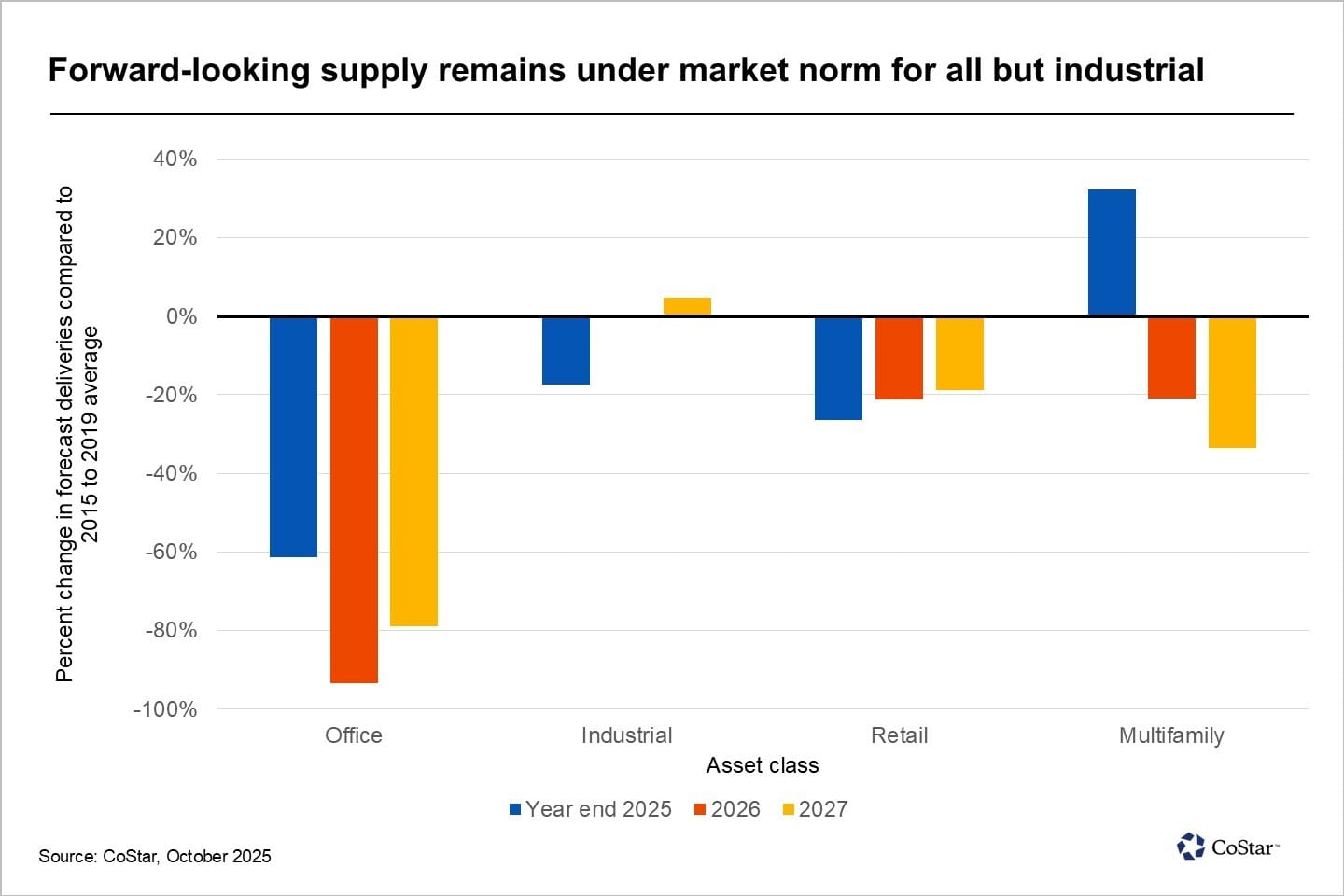
The DFW market is transitioning into a new construction phase marked by a slowdown in office development, a more selective approach to industrial projects, and an evolving housing landscape shaped by affordability and population growth. Developers are recalibrating their priorities, and for real estate professionals, understanding these shifts offers a critical edge in navigating—and capitalizing on—the next phase of the metroplex’s growth.
A new federal lawsuit claims Zillow pushed homebuyers toward Zillow Home Loans by rewarding affiliated agents with valuable leads — all without proper disclosure. The suit alleges undisclosed incentives, referral quotas, and potential RESPA violations, raising major concerns about steering, fiduciary duties, and Zillow’s expanding mortgage ambitions.
The mortgage industry is evolving fast, and the lenders who come out on top will be those who innovate without uprooting what already works. By building on strong technology foundations, streamlining workflows and adopting smart automation, lenders can reduce costs, improve customer experience and stay resilient in any market cycle. This article breaks down why innovation matters now, how a stable tech ecosystem protects lenders in volatile conditions and why small, strategic steps can drive long-term transformation.