“`html

The Transformation of Insurance Through Customer-Centric Ecosystems

In the fast-evolving world of insurance, a transformative shift is underway, driven by the development of customer-centric ecosystems. As highlighted in a comprehensive study by EY, insurance ecosystems are reshaping the industry by focusing on customer engagement, trust, and operational excellence.
Customer-Centric Approach The most successful ecosystems are those that prioritize customer value and seamless experiences across various services. By establishing trust and utilizing customer data effectively, these ecosystems offer additional benefits that enhance the overall user experience.
Innovative Capabilities High-performing ecosystems introduce compelling solutions that address specific customer pains. For instance, the integration of AI-driven automation in claims processing not only boosts efficiency but also significantly enhances customer satisfaction.
Strong Leadership The backbone of effective ecosystems is strong, visible leadership. Leaders define strategic priorities and drive cultural change, ensuring the necessary resources are allocated for successful implementation.
Impactful Metrics Key performance metrics are aligned with strategic goals, focusing on broadening customer engagement and lifetime value. This alignment ensures that value is effectively translated for stakeholders, fostering growth and sustainability.
Collaborative Distribution The success of these ecosystems also stems from aligning distribution methods with intermediary incentives. This ensures that all parties involved benefit, creating a win-win scenario for insurers and their partners.
Partnership Excellence Choosing the right partners is crucial. Successful partnerships focus on cultural fit and mutual growth, leveraging complementary skills and innovative ideas to drive the ecosystem forward.
Advanced Technology Utilization Ecosystem leaders are at the forefront of technology integration, utilizing open APIs and AI to seamlessly integrate services and enhance customer personalization. This technological prowess allows for rapid change and adaptation in the market.
These attributes underscore the importance of strategic alignment, collaborative innovation, and technological integration in crafting ecosystems that not only adapt to industry shifts but also drive enduring customer loyalty and operational performance.

Conclusion

The discussed elements of effective ecosystems provide a template for insurance industry leaders to emulate, ensuring they remain competitive in an evolving market landscape. For more insights into financial services ecosystems, visit EY Financial Services and explore their Insurance Sector Adaptations. “`

More Articles

Getting licensed or staying ahead in your career can be a journey—but it doesn’t have to be overwhelming. Grab your favorite coffee or tea, take a moment to relax, and browse through our articles. Whether you’re just starting out or renewing your expertise, we’ve got tips, insights, and advice to keep you moving forward. Here’s to your success—one sip and one step at a time!

Is Florida’s Booming Real Estate Market Becoming Unaffordable?

Florida is facing a real estate crisis marked by skyrocketing insurance premiums, stringent FEMA rules, and a surge in hedge fund property acquisitions.

By |November 14, 2024|Categories: Article, Finance/Economy, Real Estate|Tags: , |0 Comments

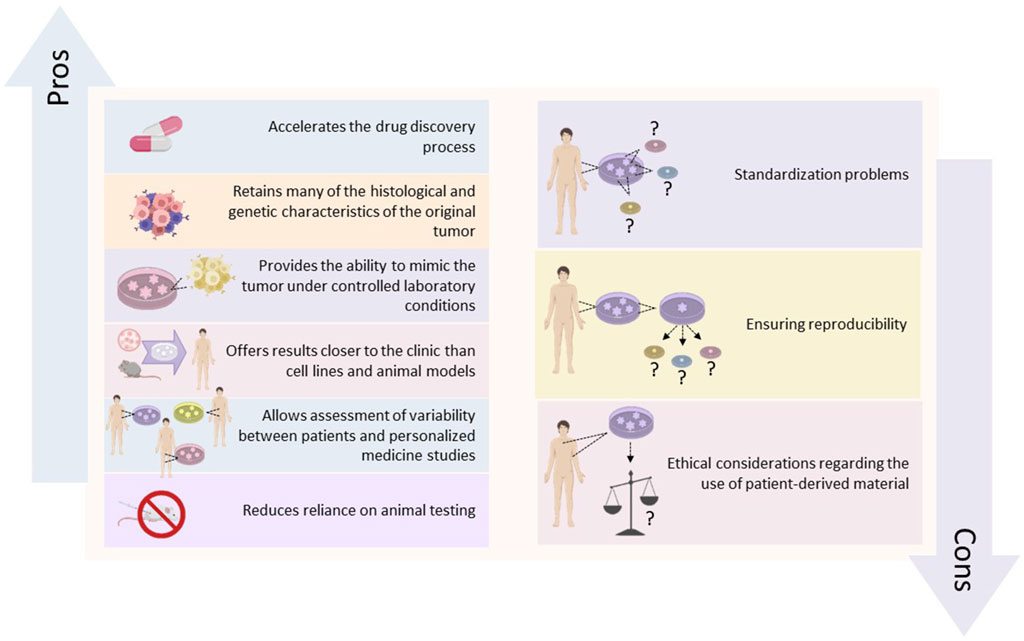
Revolutionizing Cancer Therapy: The Promise of Patient-Derived Organoids

Patient-derived organoids offer an unprecedented opportunity to replicate the complex structure and genetic makeup of cancers, providing a more accurate model for clinical drug screening and pharmacognostic assessment.

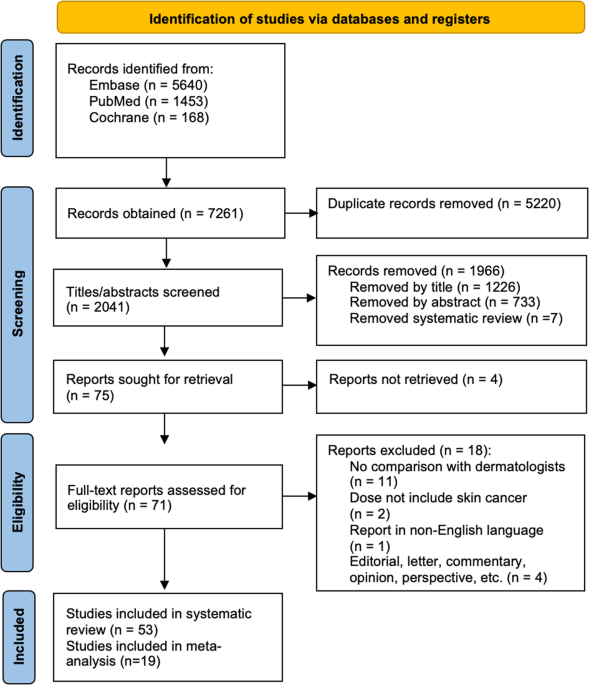
The AI Revolution in Dermatology: A Systematic Review

In a groundbreaking study published in Nature, researchers have delved into the burgeoning field of artificial intelligence (AI) in dermatology, specifically examining its role in diagnosing skin cancer. The study, titled "A Systematic Review and Meta-Analysis of Artificial Intelligence Versus Clinicians for Skin Cancer Diagnosis," offers a comprehensive look at how AI stacks up against human clinicians in this critical area of healthcare.

By |November 14, 2024|Categories: AI in Healthcare, Article, Dermatology|Tags: , |0 Comments

The Fast Lane to Fully Autonomous Vehicles: Industry Innovations and Future Prospects

The automotive world is abuzz with announcements from major players like Tesla, Rimac, Renault, and Nissan, each unveiling plans to introduce autonomous vehicles in the near future. Tesla's much-anticipated "CyberCab" is set for an October 2024 debut, while Rimac and Renault are gearing up for releases in 2026.

Futureproofing for Insurers: The Role of AI and Hyper-Personalization

In a rapidly evolving industry, insurance companies are turning to artificial intelligence (AI) and hyper-personalization to stay ahead of the curve.

Revolutionizing Healthcare: The Power and Potential of AI

AI technology offers a multitude of benefits, from enhancing patient outcomes to reducing healthcare costs and improving population health. Its application ranges from preventive screenings to complex diagnostic procedures, marking a new era in medical care.

By |November 13, 2024|Categories: Article, Artificial Intelligence, Healthcare|Tags: , |0 Comments