In recent years, mentorship programs have proven invaluable in the real estate industry, significantly influencing the growth and success of both agents and brokerages. A prime example of this is the mentorship initiative at Guide Real Estate, which started in 2020. Jon Yacovetta, the Director of Mentoring, highlights that the foundations of their program were laid by leveraging his extensive background in education and leadership. Mentored by Bret Weinstein, the firm’s founder and CEO, Yacovetta put his skills to good use by teaching novice agents about the nuances of real estate and offering the required supervision.


As the program flourished, it attracted many talented agents and became a pivotal recruitment tool. When executed effectively, mentorship bridges the confidence gap for agents, helping them attract more clients and thereby bolster the brokerage’s finances. It also offers significant professional development opportunities, fostering growth and increased productivity.


Ahmed Islam’s Journey

Ahmed Islam’s story further illustrates the profound impact of mentorship. Starting his career in New York after growing up in Dubai, Islam faced challenges entering the commercial real estate sector. It was his participation in a mentorship program offered by the National Association of REALTORS® that bridged this gap. His mentor not only shared industry insights but also provided personal support, motivating Islam to venture into commercial real estate successfully. This mentorship experience led him to become a mentor himself, emphasizing the importance of giving back to the community that aided his growth.


Creating a Successful Mentorship Program

Creating such impactful mentorship programs requires strategic planning and commitment. Yacovetta outlines key elements that have contributed to their success: appointing dedicated personnel to manage the program, ensuring leadership’s enthusiasm for agent growth, and recruiting agents ready to embrace mentorship. Furthermore, allowing potential mentors to express their interest and guiding both trainers and mentees has been crucial. Programs must ensure regular meetings for goal accountability and provide access to resources such as CRM tools and educational opportunities.


The benefits of these mentorship programs extend beyond individual successes; they foster a culture of mutual support and continuous learning within the brokerage. By facilitating interactions between different generations of agents, brokerages can benefit from diverse skill sets and technological advancements. This approach strengthens the industry’s network and ensures that both mentors and mentees grow in their roles.


Overall, the success of Guide Real Estate’s mentorship program exemplifies how structured guidance transforms new real estate agents into confident professionals, enhancing both individual careers and the broader brokerage ecosystem.


More Articles

Getting licensed or staying ahead in your career can be a journey—but it doesn’t have to be overwhelming. Grab your favorite coffee or tea, take a moment to relax, and browse through our articles. Whether you’re just starting out or renewing your expertise, we’ve got tips, insights, and advice to keep you moving forward. Here’s to your success—one sip and one step at a time!

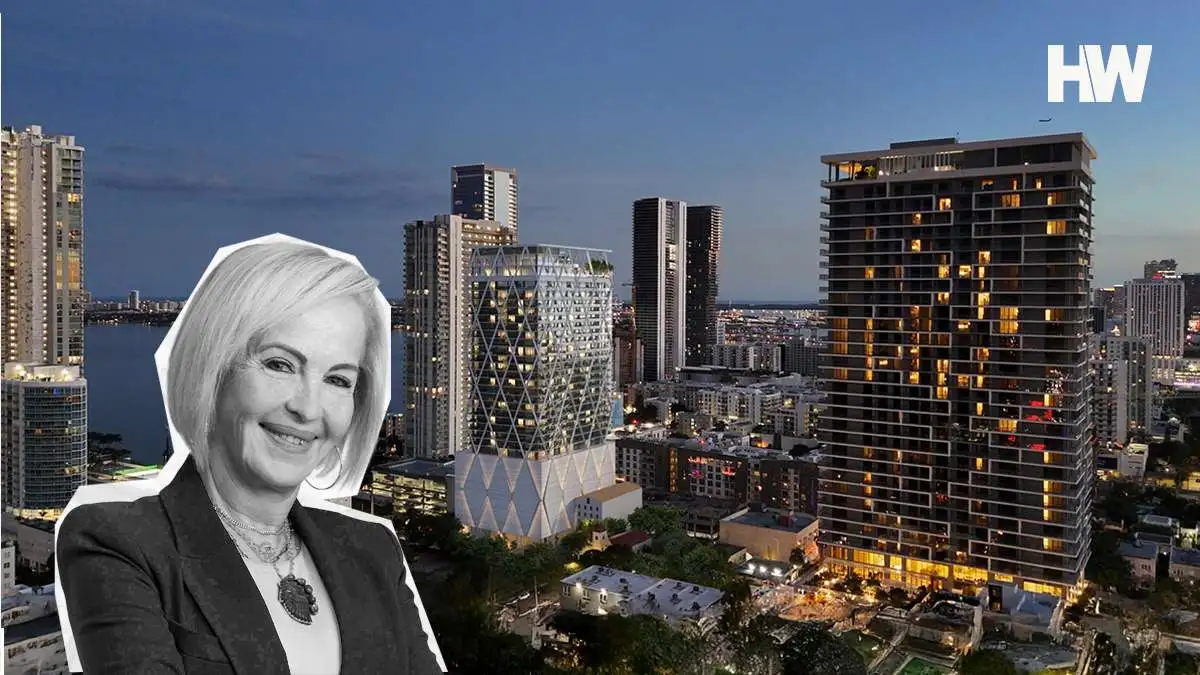
The Condo Queen of Miami: How Maile Aguila Built a Billion‑Dollar Career

Miami’s luxury condo market has many success stories, but few rise to the level of Maile Aguila. After closing more than $1 billion in sales in 2024, Aguila has become one of the most influential forces in Brickell and downtown Miami. From her beginnings in accounting to becoming the go‑to expert for high‑end developments, her journey offers a blueprint for new agents: specialize, become hyper‑local, master the soft sell, and make yourself indispensable. Her story shows that passion, knowledge, and relentless learning are the keys to breaking into Miami’s booming luxury market.

Kendal Vickers Swaps NFL Glory for a High‑Impact Real Estate Career

Former NFL defensive tackle Kendal Vickers has traded stadium lights for property listings, launching a fast-rising real estate career after earning licenses in both Florida and Tennessee. Drawing on his construction background and the discipline he built in the league, Vickers quickly closed early deals and now leads sales for two major residential developments. Motivated by helping families find homes, he’s proving that with grit, education, and the right mindset, a powerful second act is possible—on or off the field.

Title Insurance in 2026: Key Consumer Insights From Cortes and Hay

A shifting housing market and evolving regulations are making title insurance more critical than ever in 2026. Cortes and Hay, a New Jersey title agency with over 50 years of experience, breaks down the essential factors every buyer and investor should understand—from the importance of thorough title searches to the growing need for investor protection, ALTA best practices, and expert guidance on 1031 exchanges. This updated snapshot helps consumers and future real estate professionals navigate today’s complex closing landscape with confidence.

AI Is Transforming How Floridians Buy Homes

Nearly half of today’s homebuyers expect to use AI in their buying journey, and Florida is becoming a leading testing ground. New platforms like Homa are automating most of the homebuying process, delivering major savings to buyers while still blending in human expertise. As both tech-driven tools and traditional agents adapt, the future of Florida real estate will rely on professionals who can combine smart technology with real-world experience.

Investors Are Pulling Back From Florida Housing — Except in One Surprising Hotspot

Florida’s once‑red‑hot investment market is cooling fast, with cities like Orlando, Fort Lauderdale, and Jacksonville seeing steep drops in investor purchases. Rising insurance costs, swelling inventory, and squeezed profit margins are pushing investors to pause—or look elsewhere. But West Palm Beach stands apart, surging with luxury demand as it cements its status as “Wall Street South.”

Is 2026 a Good Time to Buy a House? Here’s What the Market Really Says

With mortgage rates nearly a full point lower than last year and inventory slowly rising, 2026 is opening the door for more buyers to re-enter the market. Competition has cooled, bidding wars have eased, and sellers are more flexible than they’ve been in years. While winter weather temporarily slowed sales, spring is expected to bring renewed momentum. For buyers with steady finances and long‑term plans, this year may offer one of the most balanced markets since the frenzy of 2021–2022.