In the rapidly evolving landscape of healthcare, artificial intelligence (AI) is poised to transform patient care and health management, offering a glimpse into a future where machines complement human expertise. As highlighted by a recent Mayo Clinic Press article, AI is already making significant strides in various medical fields, from preventive screenings to risk assessments.
The Role of AI in Healthcare
AI technology, according to a National Academy of Medicine report, holds the potential to improve clinical outcomes, reduce healthcare costs, and enhance population health. In the realm of preventive care, AI is being utilized in radiology to expedite cancer screenings, such as mammograms and lung cancer screenings. For example, at the Mayo Clinic’s PKD Center, AI automates the analysis of kidney images, reducing the process from 45 minutes to mere seconds, thereby aiding in the early detection of polycystic kidney disease.
Risk Assessment and AI
AI’s capabilities extend to risk assessment, particularly in cardiology. A study by the Mayo Clinic demonstrated AI’s proficiency in identifying individuals at risk of left ventricular dysfunction, a condition often asymptomatic but potentially fatal. AI models can now alert patients to significant coronary artery calcium levels, predicting heart attack or stroke risks.
Advancing Medicine and Public Health
Beyond individual patient care, AI is instrumental in advancing public health. It assists individuals in managing chronic conditions like asthma and diabetes by facilitating timely interventions and reminders. Moreover, AI’s ability to analyze social media trends could have been pivotal in predicting and managing health crises, such as the early stages of COVID-19, as suggested by a study on internet search correlations.
AI’s Impact on Patient Care
While some may question AI’s ability to match human healthcare, studies indicate that AI can outperform traditional methods in certain scenarios. For instance, AI has been more accurate than current pathology methods in predicting survival rates for mesothelioma patients and has enhanced the accuracy of colonoscopy procedures by identifying colon polyps.
AI and Healthcare Professionals
AI’s role is not to replace healthcare professionals but to augment their capabilities. It can save time by handling tedious tasks, like writing clinical notes and processing vast amounts of medical data. However, human expertise remains crucial for providing clinical context and translating AI findings into actionable insights for patients.
Challenges and Future Directions
Despite AI’s promise, challenges remain, including potential biases and the need for effective regulation. AI systems must be trained on diverse datasets to avoid perpetuating existing healthcare disparities. As the Mayo Clinic and other members of the Health AI Partnership emphasize, ensuring equitable and safe AI implementation is essential.
As AI continues to evolve, it promises to revolutionize healthcare by improving diagnostics, enhancing remote monitoring, and anticipating disease risks. However, its success hinges on a collaborative approach that leverages both technological advancements and human expertise.
More Articles
Getting licensed or staying ahead in your career can be a journey—but it doesn’t have to be overwhelming. Grab your favorite coffee or tea, take a moment to relax, and browse through our articles. Whether you’re just starting out or renewing your expertise, we’ve got tips, insights, and advice to keep you moving forward. Here’s to your success—one sip and one step at a time!
The global digital health market is set to skyrocket, with projections estimating it will reach $551.09 billion by 2027. This growth is fueled by innovations that are setting new benchmarks in healthcare delivery.
AI is being hailed as a "triple threat" in radiology, impacting planning, scanning, and diagnosis. As detailed in a recent column by Kelly Londy of GE HealthCare, these intelligent imaging systems are ushering in seismic changes reminiscent of the transformative impact of computer-assisted tomography in the late 20th century.
In a significant move that has captured the attention of economists and homebuyers alike, the Federal Reserve recently announced a half-percentage-point cut in interest rates. This decision is poised to bring about notable changes in the housing market, though not all effects may be beneficial for prospective homeowners.
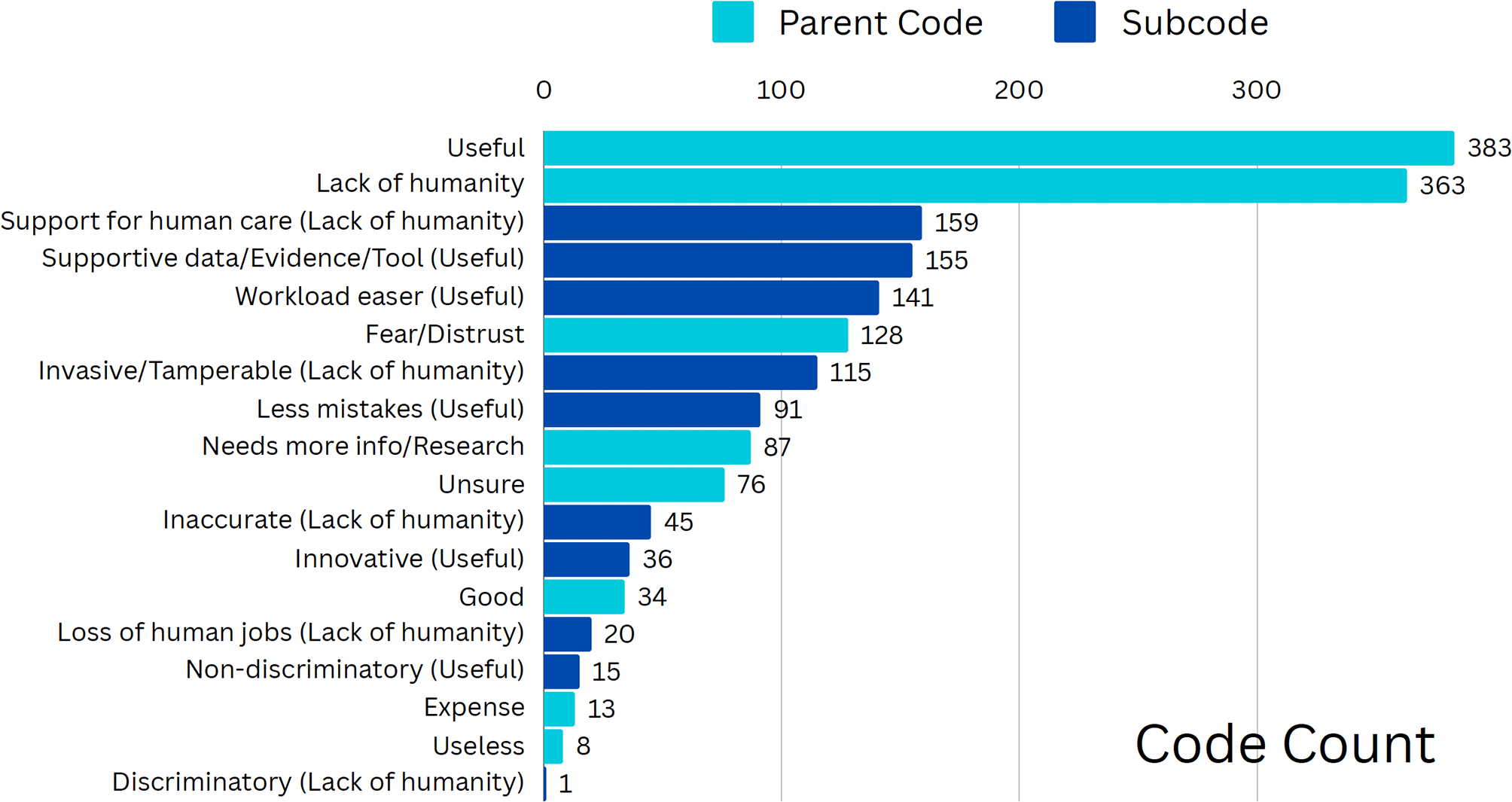
In the rapidly evolving landscape of healthcare, the integration of artificial intelligence (AI) stands as a beacon of both promise and concern. The research underscores a significant tension: while AI has the capability to enhance healthcare delivery, there is palpable unease about its impact on the traditional physician-patient relationship.
As artificial intelligence (AI) technology advances, it presents a myriad of ethical dilemmas and challenges that demand urgent attention. The USC Annenberg School for Communication and Journalism recently explored these pressing issues, highlighting the complexities involved in AI's deployment.