In the rapidly evolving landscape of healthcare, artificial intelligence (AI) is poised to transform patient care and health management, offering a glimpse into a future where machines complement human expertise. As highlighted by a recent Mayo Clinic Press article, AI is already making significant strides in various medical fields, from preventive screenings to risk assessments.
The Role of AI in Healthcare
AI technology, according to a National Academy of Medicine report, holds the potential to improve clinical outcomes, reduce healthcare costs, and enhance population health. In the realm of preventive care, AI is being utilized in radiology to expedite cancer screenings, such as mammograms and lung cancer screenings. For example, at the Mayo Clinic’s PKD Center, AI automates the analysis of kidney images, reducing the process from 45 minutes to mere seconds, thereby aiding in the early detection of polycystic kidney disease.
Risk Assessment and AI
AI’s capabilities extend to risk assessment, particularly in cardiology. A study by the Mayo Clinic demonstrated AI’s proficiency in identifying individuals at risk of left ventricular dysfunction, a condition often asymptomatic but potentially fatal. AI models can now alert patients to significant coronary artery calcium levels, predicting heart attack or stroke risks.
Advancing Medicine and Public Health
Beyond individual patient care, AI is instrumental in advancing public health. It assists individuals in managing chronic conditions like asthma and diabetes by facilitating timely interventions and reminders. Moreover, AI’s ability to analyze social media trends could have been pivotal in predicting and managing health crises, such as the early stages of COVID-19, as suggested by a study on internet search correlations.
AI’s Impact on Patient Care
While some may question AI’s ability to match human healthcare, studies indicate that AI can outperform traditional methods in certain scenarios. For instance, AI has been more accurate than current pathology methods in predicting survival rates for mesothelioma patients and has enhanced the accuracy of colonoscopy procedures by identifying colon polyps.
AI and Healthcare Professionals
AI’s role is not to replace healthcare professionals but to augment their capabilities. It can save time by handling tedious tasks, like writing clinical notes and processing vast amounts of medical data. However, human expertise remains crucial for providing clinical context and translating AI findings into actionable insights for patients.
Challenges and Future Directions
Despite AI’s promise, challenges remain, including potential biases and the need for effective regulation. AI systems must be trained on diverse datasets to avoid perpetuating existing healthcare disparities. As the Mayo Clinic and other members of the Health AI Partnership emphasize, ensuring equitable and safe AI implementation is essential.
As AI continues to evolve, it promises to revolutionize healthcare by improving diagnostics, enhancing remote monitoring, and anticipating disease risks. However, its success hinges on a collaborative approach that leverages both technological advancements and human expertise.
More Articles
Getting licensed or staying ahead in your career can be a journey—but it doesn’t have to be overwhelming. Grab your favorite coffee or tea, take a moment to relax, and browse through our articles. Whether you’re just starting out or renewing your expertise, we’ve got tips, insights, and advice to keep you moving forward. Here’s to your success—one sip and one step at a time!
Redfin forecasts a slow but meaningful return to normalcy in the U.S. housing market starting in 2026. Instead of a crash or a rapid correction, the year marks the beginning of a “Great Housing Reset” where affordability gradually improves, mortgage rates ease into the low‑6% range, home sales tick upward, and renters, buyers, and professionals finally feel less market pressure. From wage growth outpacing home prices to rising refi activity and the rise of AI‑powered real estate tools, 2026 is shaping up to be a foundational year for real estate careers and long‑term market stability.
Hurricane Melissa’s destruction in Jamaica highlights a growing global reality: climate risks are accelerating faster than insurance adoption. With more than 90% of disaster losses in developing regions going uninsured and a worldwide protection gap exceeding $1.8 trillion annually, experts warn that traditional insurance systems can no longer keep up. New models—like parametric payouts, community‑based aggregation and bundled climate tools—are emerging, but governments and corporations must step in to prevent financial shocks from destabilizing entire economies.
Gravis Robotics, a Zurich-based startup, just raised $23 million to bring autonomous tech to construction sites facing a massive operator shortage. As demand surges for renewable energy projects, data centers, and new housing, Gravis retrofits traditional heavy machinery with AI-driven systems that can work autonomously or via remote guidance. With trials already underway across seven countries, the company is pushing a future where humans and robots collaborate — speeding up development timelines and reshaping industries from construction to real estate.
Zillow has quietly removed its climate‑risk scores after months of pressure from agents, homeowners, and listing services who said the warnings were scaring off buyers. The move has sparked a national debate: Is this a win for real estate sales or a setback for consumer transparency? Critics warn that without clear climate‑risk data, families could be “flying blind” into costly surprises like insurance spikes and flood damage. As climate impacts intensify and disclosure expectations rise, real estate professionals must stay informed—because whether Zillow shows the data or not, the risks aren’t going anywhere.
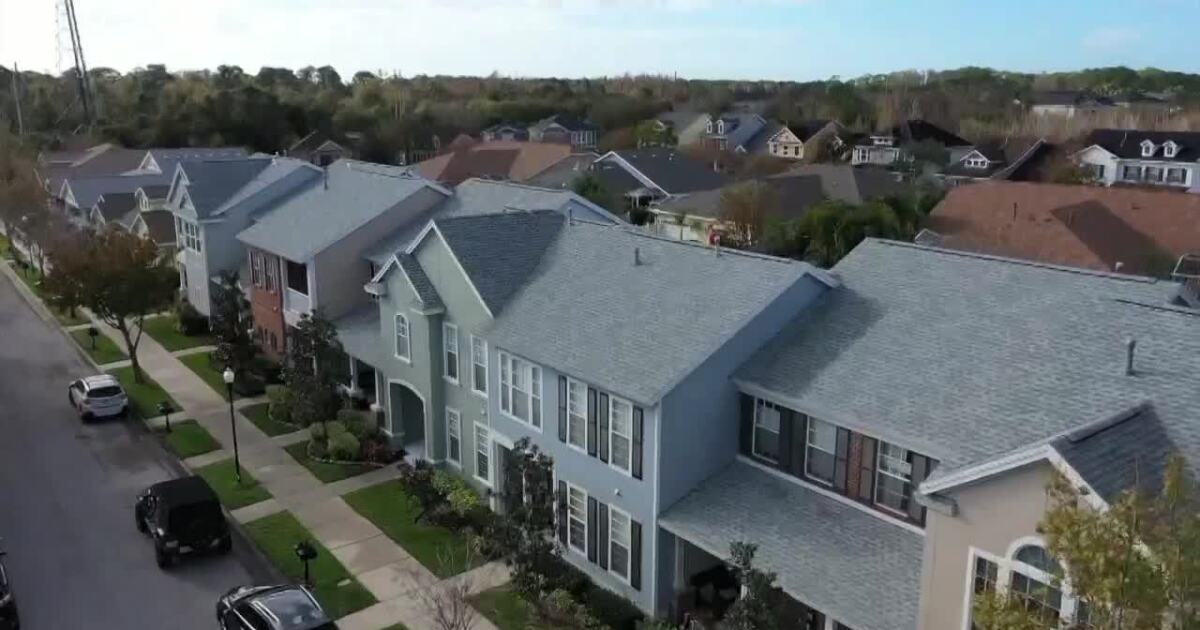
Florida’s property insurance crisis is becoming the defining issue heading into the 2026 election season. Republicans argue that recent reforms are finally stabilizing the market, pointing to reduced litigation and cooling reinsurance costs. Democrats counter that families are still facing unbearable premiums, with condo prices dropping over 8% and Floridians paying some of the highest insurance rates in the nation. As lawmakers prepare to return to Tallahassee, the future of insurance reform is set to become the central political fight—one that will directly impact homeowners, investors, and real estate professionals across the state.
Connectivity has become one of the most powerful differentiators in today’s real estate market. As smart buildings, automation, and sustainability demands accelerate, fiber networks are replacing outdated copper systems and reshaping property value. With lower energy use, unified smart‑building capabilities, reduced long‑term costs, and stronger tenant satisfaction, digital infrastructure is now central to investment strategy. Real estate professionals who understand this shift gain a competitive edge as the industry moves toward cleaner, smarter, more connected buildings.