In the rapidly evolving landscape of healthcare, artificial intelligence (AI) is poised to transform patient care and health management, offering a glimpse into a future where machines complement human expertise. As highlighted by a recent Mayo Clinic Press article, AI is already making significant strides in various medical fields, from preventive screenings to risk assessments.
The Role of AI in Healthcare
AI technology, according to a National Academy of Medicine report, holds the potential to improve clinical outcomes, reduce healthcare costs, and enhance population health. In the realm of preventive care, AI is being utilized in radiology to expedite cancer screenings, such as mammograms and lung cancer screenings. For example, at the Mayo Clinic’s PKD Center, AI automates the analysis of kidney images, reducing the process from 45 minutes to mere seconds, thereby aiding in the early detection of polycystic kidney disease.
Risk Assessment and AI
AI’s capabilities extend to risk assessment, particularly in cardiology. A study by the Mayo Clinic demonstrated AI’s proficiency in identifying individuals at risk of left ventricular dysfunction, a condition often asymptomatic but potentially fatal. AI models can now alert patients to significant coronary artery calcium levels, predicting heart attack or stroke risks.
Advancing Medicine and Public Health
Beyond individual patient care, AI is instrumental in advancing public health. It assists individuals in managing chronic conditions like asthma and diabetes by facilitating timely interventions and reminders. Moreover, AI’s ability to analyze social media trends could have been pivotal in predicting and managing health crises, such as the early stages of COVID-19, as suggested by a study on internet search correlations.
AI’s Impact on Patient Care
While some may question AI’s ability to match human healthcare, studies indicate that AI can outperform traditional methods in certain scenarios. For instance, AI has been more accurate than current pathology methods in predicting survival rates for mesothelioma patients and has enhanced the accuracy of colonoscopy procedures by identifying colon polyps.
AI and Healthcare Professionals
AI’s role is not to replace healthcare professionals but to augment their capabilities. It can save time by handling tedious tasks, like writing clinical notes and processing vast amounts of medical data. However, human expertise remains crucial for providing clinical context and translating AI findings into actionable insights for patients.
Challenges and Future Directions
Despite AI’s promise, challenges remain, including potential biases and the need for effective regulation. AI systems must be trained on diverse datasets to avoid perpetuating existing healthcare disparities. As the Mayo Clinic and other members of the Health AI Partnership emphasize, ensuring equitable and safe AI implementation is essential.
As AI continues to evolve, it promises to revolutionize healthcare by improving diagnostics, enhancing remote monitoring, and anticipating disease risks. However, its success hinges on a collaborative approach that leverages both technological advancements and human expertise.
More Articles
Getting licensed or staying ahead in your career can be a journey—but it doesn’t have to be overwhelming. Grab your favorite coffee or tea, take a moment to relax, and browse through our articles. Whether you’re just starting out or renewing your expertise, we’ve got tips, insights, and advice to keep you moving forward. Here’s to your success—one sip and one step at a time!
Just 48 hours after NAR unveiled major revisions to its MLS policies, plaintiffs in the Michigan-based Hardy lawsuit moved to use those changes as evidence, arguing they prove NAR’s prior rules were anticompetitive. NAR denies any wrongdoing, but the case is quickly becoming a key test for whether MLS access should require Realtor membership — a question now echoing across multiple states and potentially reshaping how real estate professionals nationwide access the industry’s most essential tool.
Florida homeowners are now paying some of the highest insurance premiums in the country, with average costs topping $5,800 per year—nearly double the national average. Residents report skyrocketing rates, denied claims, and tough choices between costly coverage and financial risk. As frustration grows, lawmakers and consumer advocates are pushing new reforms aimed at increasing transparency, capping rate hikes, and protecting policyholders in one of the nation’s most volatile insurance markets.
Economic uncertainty, rapid AI adoption, tighter capital flows, and rising portfolio risk are reshaping the 2026 commercial real estate landscape. From shifting workforce patterns to a national housing attainability crisis, the industry is entering a data‑driven, fundamentals‑focused era—making adaptability, education, and tech literacy essential for real estate professionals.
Mortgage rates have climbed to 6.23 percent as investors grow doubtful that the Federal Reserve will deliver a rate cut in December. A soft but unclear jobs report and persistent inflation have pushed borrowing costs higher, reversing October’s brief relief in the housing market. Real estate and mortgage professionals should prepare clients for continued volatility as the Fed’s December meeting approaches.
After years of tight inventory, high mortgage rates, and sluggish sales, economists say 2026 is shaping up to be the turnaround real estate professionals have been waiting for. NAR projects a 14 percent jump in home sales, mortgage rates easing toward 6 percent, and buyer demand finally gaining momentum. While higher‑end homes are moving quickly, first‑time buyers continue to face affordability challenges, and price reductions are reappearing as sellers adjust to shifting conditions. For Florida agents, brokers, and newcomers, the stage is being set for a busy and opportunity‑rich year.
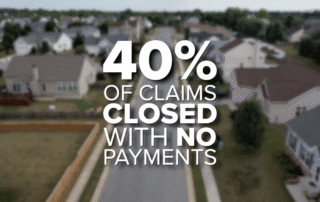
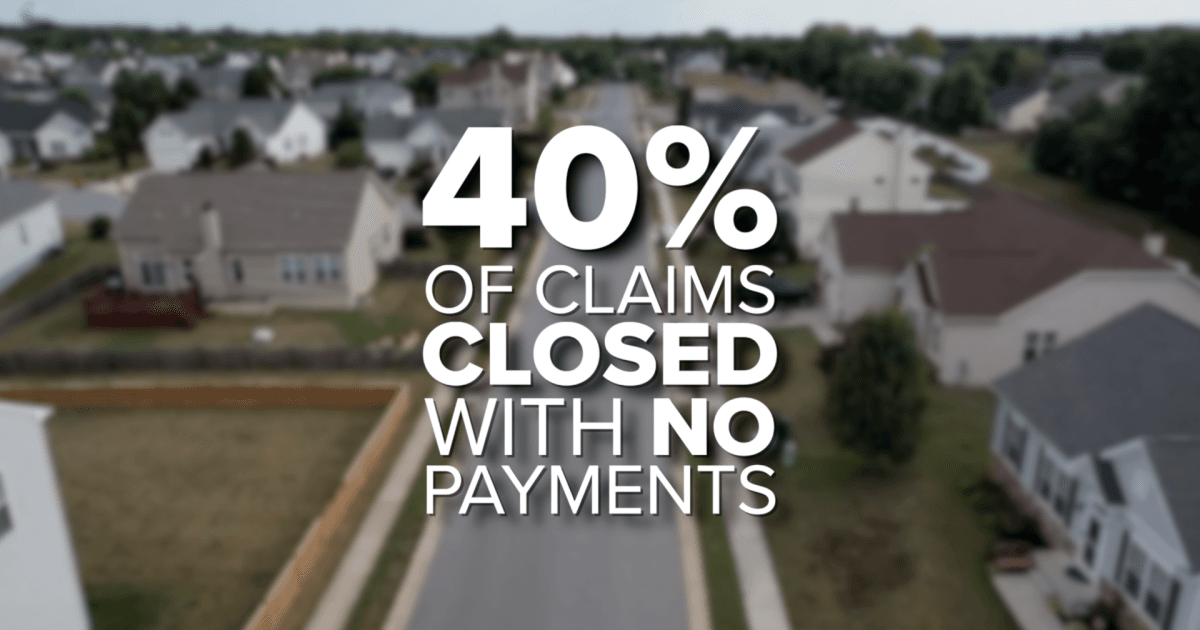
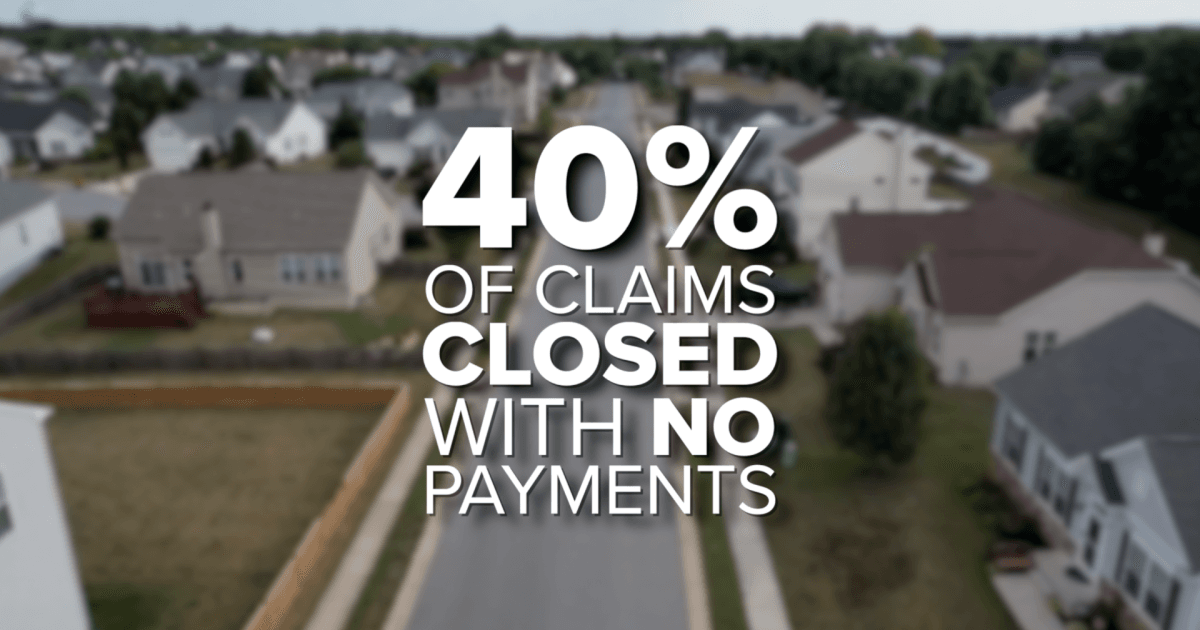
Florida’s average homeowner insurance premium has soared to $5,838 a year—almost $3,000 above the national average—pushing many residents to the financial brink. From tripled premiums to lowball claim payouts, homeowners are speaking out as frustration mounts. Some are even dropping coverage entirely. With more than 40% of claims closed without payment and policy cancellations at record levels, lawmakers are pushing for reforms, but political hurdles remain. The outcome could reshape Florida real estate, insurance, and mortgage markets for years to come.