The presidency of Donald Trump ushered in a period of notable shifts in the U.S. housing market, characterized by tax cuts, deregulation, and the unforeseen impact of a global pandemic. This era, marked by both growth and uncertainty, offers a complex narrative of economic policy and market dynamics.

Pre-Pandemic Developments

During the initial years of Trump’s administration, the housing market witnessed significant growth. This was fueled by several factors:
  • Tax Cuts and Jobs Act of 2017: This landmark legislation reduced taxes for corporations and individuals, potentially increasing disposable incomes and driving up home prices in various regions. However, the cap on State and Local Tax (SALT) deductions notably affected high-tax states like California and New York. For more details, visit this source.
  • Deregulation Efforts: The rollback of post-2008 financial regulations aimed to boost economic activity through increased lending, though concerns about potential risks remained.
  • Interest Rates: The Federal Reserve’s policy of maintaining low interest rates made mortgages more affordable, further fueling the housing market surge. See more at this link.


Navigating the Pandemic

The COVID-19 pandemic brought unprecedented challenges, initially causing instability in the housing market due to job losses and economic uncertainty. However, the market quickly rebounded:
  • Economic Stimulus: Record-low mortgage rates, a result of the Federal Reserve’s interventions, catalyzed demand, keeping the housing sector robust during the pandemic. More insights can be found here.
  • Changing Preferences: Remote work and a reevaluation of living spaces drove demand for homes in suburban and rural areas. Learn more here.
  • Supply Constraints: Long-standing shortages in housing, exacerbated by supply chain issues, led to intense competition and bidding wars. For further reading, visit this source.


Examining Trends

Key metrics from January 2017 to January 2021 highlight the transformative journey of the housing market, including the rise in median home prices and changes in the 30-year mortgage rate. Detailed information is available here.

The Legacy and the Future

The impact of Trump’s policies on housing remains a topic of debate. Proponents credit these policies with fostering economic growth, while critics point to increased income inequality and missed opportunities in affordable housing initiatives.

As the U.S. housing market continues to grapple with challenges like affordability and potential regulatory shifts, the long-term implications of Trump’s presidency will become clearer through ongoing analysis.

For further insights and future predictions on the real estate market, explore these articles:

Article inspired by Norada Real Estate Investments, a leading provider of real estate solutions across the U.S. For more real estate trends and insights, listen to their top-rated podcast, Passive Real Estate Investing, hosted by Marco Santarelli.

More Articles

Getting licensed or staying ahead in your career can be a journey—but it doesn’t have to be overwhelming. Grab your favorite coffee or tea, take a moment to relax, and browse through our articles. Whether you’re just starting out or renewing your expertise, we’ve got tips, insights, and advice to keep you moving forward. Here’s to your success—one sip and one step at a time!

Unlocking Real Estate Wealth in 2025: Strategies for Success

Step into 2025, where the real estate market emerges as a resilient beacon amidst economic unpredictability. Investors are increasingly drawn to secondary cities like Austin and Manchester, attracted by their growth potential, affordability, and enhanced quality of life.

By |February 18, 2025|Categories: Article, Investment Strategies, Real Estate|Tags: , |0 Comments

AI and Urbanization Drive Home Services Market Growth

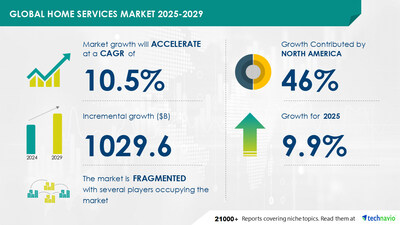
The global home services market is poised for significant growth, with projections indicating an increase of USD 1.03 trillion from 2025 to 2029. This forecasted expansion is attributed to increasing urbanization and the transformative impact of AI on market trends, according to a recent report by Technavio.

Decoding the U.S. Housing Crisis: A Study of Historic Policy Missteps and Demographic Shift

In a revealing study by USC, the roots of the current housing crisis in the United States are traced back to policy missteps and demographic changes that have been unfolding since the early 2000s. The study highlights how these factors have left millennials and people of color disproportionately affected.

Best Real Estate Crowdfunding Platforms for February 2025: Investopedia’s Top Picks

Fundrise stands out for offering investors a chance to diversify their portfolios with real estate exposure through proprietary funds. With a minimum investment as low as $10, it opens doors to beginners and seasoned investors alike.

Top Real Estate Investment Apps of 2025: A Guide for First-Time and Experienced Investors

Business Insider has reviewed a range of platforms available in 2025, focusing on key factors like fees, accessibility for accredited vs. non-accredited investors, and the types of real estate investments offered.