The U.S. Housing Market Slows, Shifts, and Normalizes: What 2026 Really Means for Today’s Professionals
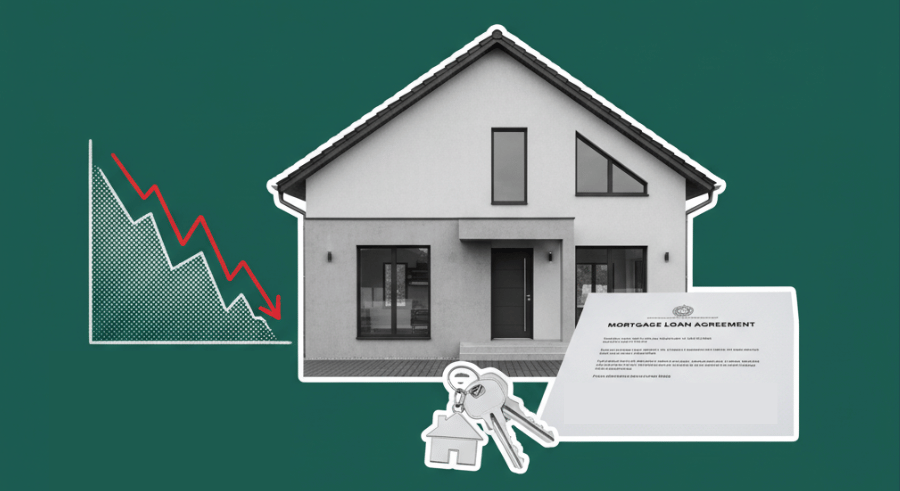
The U.S. housing market is officially entering a new era—one defined not by scarcity, but by normalization and demand-driven behavior. Housing inventory growth has slowed to 10% year over year, a major cooldown from the 33% surge seen in mid‑2025. According to fresh reporting from HousingWire, this marks the beginning of a more balanced, sustainable 2026 market.
“Year-over-year housing inventory growth has slowed to single digits, from 33% at one point last year to 9.99%…” said HousingWire Lead Analyst Logan Mohtashami. He continued, noting sweeping headlines from Trump announcing a ban on Wall Street investors buying single-family homes to GSE-directed MBS purchases.
With evolving rates, political movement, and cooling momentum, the 2026 market is shifting quickly—and professionals across real estate, lending, building, and investing must adjust their strategy to stay competitive.
Demand Takes the Driver’s Seat
The story of 2026… isn’t scarcity. It’s demand intelligence.
Pricing is becoming more rate-sensitive, seasonal patterns are returning, and transaction volumes are slimmer but smarter. Winning in this environment requires a sharp read on local demand—something skilled agents and well-trained professionals can leverage far better than during the frenetic, ultra-low inventory years.
Pro Tip: If you’re entering real estate or leveling up your professional game, this type of market rewards strategy and knowledge. Cameron Academy offers education built to help you stay ahead in shifting cycles with practical, data-smart training.
Inventory Slows, Seasonality Returns
While inventory is still up 10% year over year, the rate of growth is slowing. Even more telling: inventory dipped between January 2–9, hinting at the return of predictable winter bottoms and spring build-ups.
“We would want the seasonal bottom to happen in February… more supply means less price growth and better affordability.”
A February trough would signal a welcome return to normal spring listing behavior—an essential rhythm for agents, lenders, builders, and buyers.
New Listings: The 2026 Bottleneck
New listings dipped to 39,007 for the week ending January 9, down 12.6% year over year—one of the most significant constraints heading into spring.
Mohtashami notes that the real benchmark for success isn’t a return to 80,000 weekly listings during peak season—but surpassing it. Until that happens, inventory expansion and transaction volume will lag behind historical norms.
Price Discovery Takes Center Stage
Sellers no longer hold the leverage they wielded during the pandemic’s peak frenzy. Today:
Median days on market: 91
Price cuts: 34.7% of homes
Price increases: only 2.4%
This creates a negotiation-focused landscape—deliberate, rate-sensitive, and far healthier than the bidding-war chaos of 2021–2022.
Pending sales reached 39,841 this week, down 2.4% from 2025, signaling a thinner but stable environment.
Rates Shape Buyer Psychology and Movement
Mortgage rates sitting near 6% are reshaping buyer calculations, seller motivations, and move-up opportunities. Last year’s spike toward 7.26% froze many decisions; today’s rates encourage them.
“Unlike the start of 2025… we are near 6% — with the Trump administration bent on getting housing going again.”
The difference between 6% and 7% may seem small—but it dramatically impacts affordability, refinancing, family relocations, and investor strategy.
How Professionals Should Use This Data
Agents & Brokerages
Time listings around normalizing seasonality.
Educate clients on negotiation-based pricing—not panic-driven urgency.
Lenders & Mortgage Professionals
Explain rate elasticity—how small rate movements shift buyer behavior.
Use pending-sales data to manage pipelines.
Builders & Developers
Prepare for stronger competition from resales.
Offer incentives aligned with buyer comparisons.
Investors & Portfolio Managers
Treat price cuts as normal market function—not distress.
Incorporate rate volatility and policy shifts into timing models.
Want to stay ahead of these industry shifts? Cameron Academy provides licensing and continuing education for real estate, mortgage, insurance, and other professionals who want to thrive in evolving markets.
2026: The First Truly Balanced Market in Years
After years of extremes—from pandemic surges to inventory droughts—the U.S. housing market is finally settling into a healthy middle ground. Mohtashami highlights that 2026 will feature “close‑to‑normal spreads and many rate cuts already in the system,” creating a far more predictable and stable year.
All data reflects single-family homes nationwide as of January 9, 2026. Explore deeper analyses and localized reports through HousingWire’s HW Data resources.
Getting licensed or staying ahead in your career can be a journey—but it doesn’t have to be overwhelming. Grab your favorite coffee or tea, take a moment to relax, and browse through our articles. Whether you’re just starting out or renewing your expertise, we’ve got tips, insights, and advice to keep you moving forward. Here’s to your success—one sip and one step at a time!
Cameron Academy's state-approved 63-hour Florida Real Estate Sales Associate Pre-License Course begins April 13, 2026 at the Dr. Phillips campus in Orlando. Attend in person or join live via Zoom. Morning schedule, expert instruction, and only 14 seats remaining. Enroll now before this class fills up.
The Florida real estate licensing exam is the single biggest gatekeeper between you and a career in one of the nation's most active real estate markets. And the numbers don't sugarcoat it: roughly half of all first-time test-takers in Florida walk out without a passing score. According to data compiled by Colibri Real Estate, Florida's first-time pass rate sits at approximately 51%, with about 41,900 candidates taking the exam each year.
Part-Time vs. Full-Time: Can You Get Your Real Estate License While Working a 9‑to‑5? The honest, data-backed guide to earning your license around a day #ReadMore
Florida’s 2026 legislative session brought significant victories for real estate professionals, with Realtor advocacy preserving key regulatory structures, strengthening property rights, improving major housing programs, and protecting agents from new liabilities. From blocking the dismantling of the Florida Real Estate Commission to advancing bills that support safer, more transparent transactions, these wins shape a more stable future for Florida agents, brokers, and consumers.
AI‑enhanced listing images are transforming real estate marketing, but they’re also creating a growing trust problem. Tools that once simply brightened rooms can now erase damage, add furniture, or even generate entirely new scenes, fueling a trend known as “housefishing.” As complaints rise and states like California introduce disclosure laws, the industry is being forced to confront a new reality: the more perfect the photos get, the more renters and buyers crave authenticity.
Florida homeowners hit by Hurricane Milton face an important April 9 deadline to file or reopen supplemental insurance claims. With more than 385,000 claims and over 5.6 billion dollars in losses already reported, experts warn that waiting until construction is completed could leave families without the additional funds they’re owed. An 18‑month window applies to supplemental claims, and missing it could cause insurance companies to deny further reimbursement.