Alright, future real estate moguls, you’re in for a ride because I just watched Maggie break down the top 20 must-know terms for the real estate exam, and let me tell you—it was like getting hit with a knowledge bomb (in the best way possible). Let’s dive in!
First Impression: So Many Terms, So Little Brain Space
So, Maggie jumps right in, no fluff, no small talk—just straight-up essential real estate knowledge. If you’re about to take your real estate exam and you don’t know about “deed restrictions” or the “Maria Test,” well, buckle up, because this video is basically your survival guide.
I’ve always thought of real estate as glamorous—you know, selling million-dollar homes, negotiating like a shark, closing deals over coffee. But turns out, there are a ton of rules, legalities, and downright scary terms that you have to understand before you even get close to your first transaction.
Let’s Talk About A Few Terms That Blew My Mind
1. Deed Restrictions – So You Can’t Just Go Wild with a House?!
So, apparently, if you buy a home with deed restrictions, you can’t just do whatever you want with it. Want to paint it bright neon green? Nope. Thinking of building a pirate ship in your front yard? Again, no. These restrictions are put in place by developers or homeowners associations (HOAs) to keep the neighborhood looking a certain way. Honestly, I could see myself forgetting about this and buying a home, only to find out I can’t add a massive slide from the roof to the backyard. Tragic.
2. The Maria Test – Not a Person, But Definitely Important
No, “Maria” isn’t Maggie’s bestie giving us exam tips—it’s actually an acronym (Method, Adaptability, Relationship, Intention, Agreement) to determine if something in a house is a fixture or personal property. Basically, if it’s bolted, screwed in, or clearly meant to stay, it’s part of the sale. If not, it’s up in the air. Imagine buying a house thinking you’re getting a fancy chandelier, only for the sellers to take it when they leave. The Maria Test will save you from heartbreak!
3. Non-Conforming Use – AKA, the Rebellious Buildings
If a small grocery store exists in a residential neighborhood just chillin’ between houses, that’s thanks to non-conforming use—basically, it’s “grandfathered in” because it was built before zoning laws changed. But once it shuts down, it has to conform to the new rules. It’s like your friend who was the only one allowed to wear sneakers in gym class because they had a doctor’s note.
4. Antitrust Regulations – No Price-Fixing Allowed, Folks!
Did you know it’s illegal for real estate brokers to agree on commission rates together? Yeah, it’s called price-fixing, and apparently, that’s a huge no-no (thanks, Sherman Act!). I love that Maggie emphasized this because, let’s be real, a lot of people probably assume all agents secretly agree to charge the same rates. Not today, capitalism says no.
Bigger Takeaways – This Stuff Really Matters
What this video made super clear is that real estate isn’t just about selling houses—it’s about laws, ethics, and avoiding lawsuits. Every term Maggie covered plays a huge role in how agents conduct business, protect homebuyers, and—most importantly—stay out of trouble.
For example, lead-based paint disclosure? That’s not just a nice suggestion; it’s a federal requirement. If you don’t tell a buyer that a 1970s house might contain lead paint, you could be facing some serious legal drama. The same with blockbusting and steering—practices that have a dark history in real estate and are now illegal due to the Fair Housing Act. It’s wild to think that unethical real estate tactics once shaped entire neighborhoods!
How This Relates to the Bigger Picture
Maggie’s breakdown reminded me of how understanding laws in any industry is critical, whether it’s real estate, finance, or even tech. This actually made me think of how big companies get fined millions of dollars for violating regulations they should’ve understood (looking at you, giant corporations). It’s the same for new real estate agents—know the rules, or you could lose your license before you even get started.
And let’s not forget the economic and functional obsolescence part—this section personally hurt my soul. Turns out, sometimes your home’s value drops for reasons completely out of your control, like a noisy freeway getting built next door (economic obsolescence), or because your house is stuck in the past, like having only one bathroom when modern homes have three (functional obsolescence). It’s like investing in Myspace stock—bad call.
Final Thoughts – This is the Cheat Code for Passing Your Exam
So if you’re preparing for your real estate exam, watch this video ASAP. Maggie somehow manages to make a firehose of information feel digestible, and you can tell she really knows her stuff. Plus, her breakdowns make it easier to remember these terms when crunch time hits and you’re staring at a multiple-choice question, sweating bullets.
And by the way, if you’re anything like me and need an extra push to absorb all of this, Maggie’s ebook “The Educated Agent” sounds like a solid investment. (Because let’s be real—we’ve all spent money on things way less useful, like that gym membership we swore we’d use.)
What do you think—are you feeling prepared for your real estate exam? Or did one of these terms totally throw you off? Let’s chat in the comments! 🚀
“`
More Articles
Getting licensed or staying ahead in your career can be a journey—but it doesn’t have to be overwhelming. Grab your favorite coffee or tea, take a moment to relax, and browse through our articles. Whether you’re just starting out or renewing your expertise, we’ve got tips, insights, and advice to keep you moving forward. Here’s to your success—one sip and one step at a time!
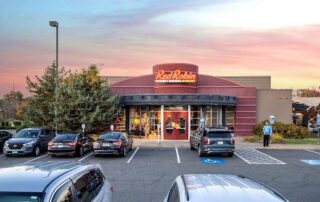
Newman Properties, a Massachusetts-based investment firm, has expanded its footprint into Connecticut with the $3.65 million acquisition of a 6,350‑square‑foot retail building in Enfield. Anchored by national restaurant chain Red Robin, the property offers the type of stable tenancy investors seek when entering new markets. The deal underscores growing confidence in anchored retail assets and provides a valuable real-world example for real estate professionals studying market analysis, investment strategy, and portfolio expansion.
JPMorgan now expects national home prices to flatten in 2026, but the Sunbelt is telling a very different story. Florida home values are down 5.1%, Texas is down 2.4%, and analysts warn that years of rapid building are finally catching up to the region. As demand stabilizes and inventory swells, real estate professionals — especially in Florida — face a market full of challenges, opportunities, and critical timing decisions.
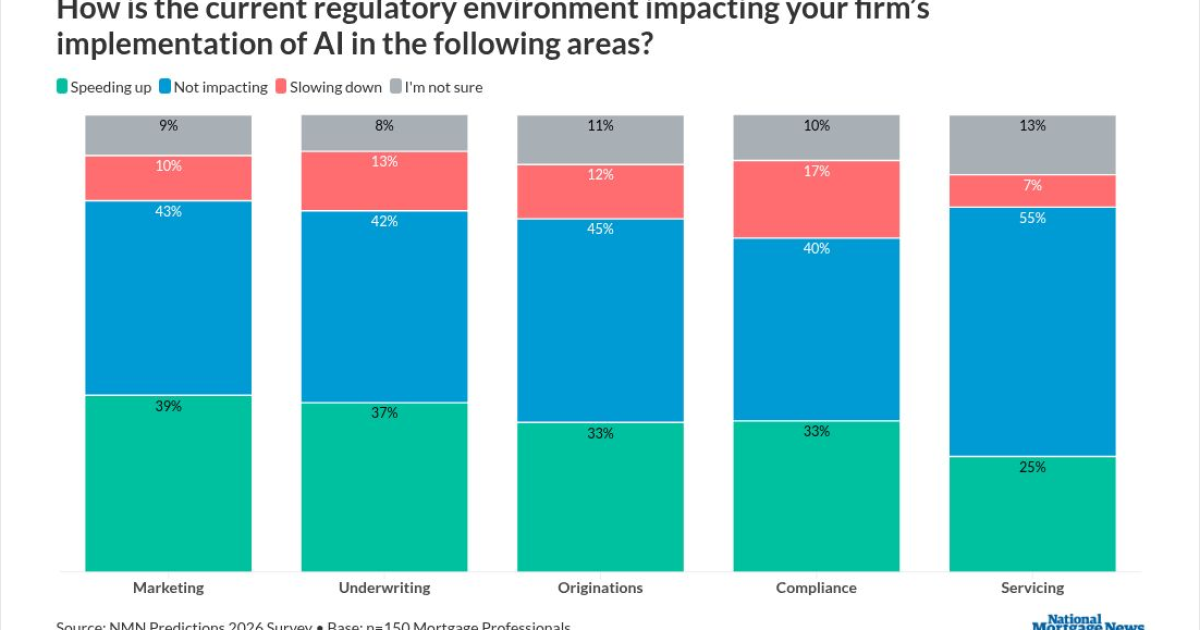
Artificial intelligence is finally stepping into the mortgage underwriting spotlight, with 57% of mortgage professionals predicting it will drive the most transformative industry shift in 2026. Thanks to major advancements in language models and workflow automation, AI is now capable of navigating the messy, document-heavy realities that have long slowed underwriting. From faster preapprovals to improved credit analysis and real‑time income verification, AI is streamlining processes while allowing underwriters to focus on true risk management. As regulatory winds shift and grassroots pressure builds within lending teams, the industry is entering a pivotal era where AI‑powered underwriting becomes not just an advantage — but an expectation.
Portland’s top 20 office towers have lost an unprecedented 70% of their value since 2019—plunging from $3 billion to under $1 billion—triggering tax revenue shortfalls, budget crises, and a surge in appeals as the city grapples with its biggest commercial real estate reset in modern history.
South Florida’s luxury real estate market just raised the bar again — this time with a $1 million virtual reality system that lets buyers walk through Dolce & Gabbana’s upcoming Miami tower long before construction wraps. Real estate master’s students were given an immersive look inside the project, discovering how VR is transforming high‑end development, influencing buyer psychology, and shaping the future skills today’s professionals need.
Long Island’s commercial real estate scene is kicking off 2026 with a surge of activity—industrial leases in Medford, neighborhood retail trades in Bohemia, Pizza Hut’s new DELCO expansion in Centereach, mixed‑use acquisitions in Melville, and major investor interest in bank‑leased and franchise-backed properties. From warehouses to restaurant rebrands, these deals highlight a region evolving fast and offering fresh opportunities for agents, investors, and professionals looking to stay ahead in the market.