Alright, future real estate moguls, you’re in for a ride because I just watched Maggie break down the top 20 must-know terms for the real estate exam, and let me tell you—it was like getting hit with a knowledge bomb (in the best way possible). Let’s dive in!
First Impression: So Many Terms, So Little Brain Space
So, Maggie jumps right in, no fluff, no small talk—just straight-up essential real estate knowledge. If you’re about to take your real estate exam and you don’t know about “deed restrictions” or the “Maria Test,” well, buckle up, because this video is basically your survival guide.
I’ve always thought of real estate as glamorous—you know, selling million-dollar homes, negotiating like a shark, closing deals over coffee. But turns out, there are a ton of rules, legalities, and downright scary terms that you have to understand before you even get close to your first transaction.
Let’s Talk About A Few Terms That Blew My Mind
1. Deed Restrictions – So You Can’t Just Go Wild with a House?!
So, apparently, if you buy a home with deed restrictions, you can’t just do whatever you want with it. Want to paint it bright neon green? Nope. Thinking of building a pirate ship in your front yard? Again, no. These restrictions are put in place by developers or homeowners associations (HOAs) to keep the neighborhood looking a certain way. Honestly, I could see myself forgetting about this and buying a home, only to find out I can’t add a massive slide from the roof to the backyard. Tragic.
2. The Maria Test – Not a Person, But Definitely Important
No, “Maria” isn’t Maggie’s bestie giving us exam tips—it’s actually an acronym (Method, Adaptability, Relationship, Intention, Agreement) to determine if something in a house is a fixture or personal property. Basically, if it’s bolted, screwed in, or clearly meant to stay, it’s part of the sale. If not, it’s up in the air. Imagine buying a house thinking you’re getting a fancy chandelier, only for the sellers to take it when they leave. The Maria Test will save you from heartbreak!
3. Non-Conforming Use – AKA, the Rebellious Buildings
If a small grocery store exists in a residential neighborhood just chillin’ between houses, that’s thanks to non-conforming use—basically, it’s “grandfathered in” because it was built before zoning laws changed. But once it shuts down, it has to conform to the new rules. It’s like your friend who was the only one allowed to wear sneakers in gym class because they had a doctor’s note.
4. Antitrust Regulations – No Price-Fixing Allowed, Folks!
Did you know it’s illegal for real estate brokers to agree on commission rates together? Yeah, it’s called price-fixing, and apparently, that’s a huge no-no (thanks, Sherman Act!). I love that Maggie emphasized this because, let’s be real, a lot of people probably assume all agents secretly agree to charge the same rates. Not today, capitalism says no.
Bigger Takeaways – This Stuff Really Matters
What this video made super clear is that real estate isn’t just about selling houses—it’s about laws, ethics, and avoiding lawsuits. Every term Maggie covered plays a huge role in how agents conduct business, protect homebuyers, and—most importantly—stay out of trouble.
For example, lead-based paint disclosure? That’s not just a nice suggestion; it’s a federal requirement. If you don’t tell a buyer that a 1970s house might contain lead paint, you could be facing some serious legal drama. The same with blockbusting and steering—practices that have a dark history in real estate and are now illegal due to the Fair Housing Act. It’s wild to think that unethical real estate tactics once shaped entire neighborhoods!
How This Relates to the Bigger Picture
Maggie’s breakdown reminded me of how understanding laws in any industry is critical, whether it’s real estate, finance, or even tech. This actually made me think of how big companies get fined millions of dollars for violating regulations they should’ve understood (looking at you, giant corporations). It’s the same for new real estate agents—know the rules, or you could lose your license before you even get started.
And let’s not forget the economic and functional obsolescence part—this section personally hurt my soul. Turns out, sometimes your home’s value drops for reasons completely out of your control, like a noisy freeway getting built next door (economic obsolescence), or because your house is stuck in the past, like having only one bathroom when modern homes have three (functional obsolescence). It’s like investing in Myspace stock—bad call.
Final Thoughts – This is the Cheat Code for Passing Your Exam
So if you’re preparing for your real estate exam, watch this video ASAP. Maggie somehow manages to make a firehose of information feel digestible, and you can tell she really knows her stuff. Plus, her breakdowns make it easier to remember these terms when crunch time hits and you’re staring at a multiple-choice question, sweating bullets.
And by the way, if you’re anything like me and need an extra push to absorb all of this, Maggie’s ebook “The Educated Agent” sounds like a solid investment. (Because let’s be real—we’ve all spent money on things way less useful, like that gym membership we swore we’d use.)
What do you think—are you feeling prepared for your real estate exam? Or did one of these terms totally throw you off? Let’s chat in the comments! 🚀
Select options
This product has multiple variants. The options may be chosen on the product page
Details
More Articles
Getting licensed or staying ahead in your career can be a journey—but it doesn’t have to be overwhelming. Grab your favorite coffee or tea, take a moment to relax, and browse through our articles. Whether you’re just starting out or renewing your expertise, we’ve got tips, insights, and advice to keep you moving forward. Here’s to your success—one sip and one step at a time!
While most people chase AI stocks or compete for high‑pressure tech jobs, the real opportunity may be unfolding in AI boomtown real estate. As companies like OpenAI, Anthropic, Microsoft, and NVIDIA mint new waves of wealthy workers, demand for housing in key cities is exploding. From San Francisco to Austin, AI‑driven markets are seeing rising rents, limited inventory, and buyers preparing for massive IPO windfalls. For real estate professionals—or anyone entering the field—this surge represents one of the strongest long‑term opportunities in the industry.
Florida is ending its 1 percent emergency insurance surcharge two years ahead of schedule, saving homeowners an estimated 650 million dollars through 2028. Thanks to a calm hurricane season, fewer insurer failures, and reduced lawsuits, officials say the state’s property insurance market is now in its strongest financial position in a decade. The change offers relief for homeowners and new momentum for Florida’s real estate industry, where lower insurance costs can boost buyer confidence and support smoother transactions.
A growing political push to block institutional investors from buying single-family homes may sound like a pro-homeowner policy, but the data shows it could do the opposite. Younger and racially diverse renters rely heavily on single-family rentals as an affordable, stable alternative to buying—yet restricting investor participation would shrink this supply, pushing many families into overcrowded housing, motels, or homelessness. The real issue isn’t who buys the homes, but that America doesn’t have enough of them.
Zillow’s 2026 Agent Trends Survey reveals a major shift in what agents value most: technology that reduces mental drain. Nearly half of agents now use AI tools daily, yet most still juggle multiple platforms that sap their focus. Zillow’s upcoming unified platform, Zillow Pro, aims to streamline workflows and cut cognitive load. The survey also highlights key industry trends, including buyer financial literacy gaps, the importance of relationships for lead generation and the growing need for tech fluency among both new and seasoned real estate professionals.
Florida’s housing market is still surging, with luxury enclaves like Lake Buena Vista, Jupiter Island, and Golden Beach seeing massive six‑figure price jumps in just one year. Smaller towns such as Old Town, Cross City, and Hosford also posted steady gains, proving demand is rising statewide. For real estate professionals, these trends highlight where buyers are moving, where inventory is tight, and where future opportunities lie—making market literacy an essential advantage for anyone pursuing or expanding a career in Florida real estate.
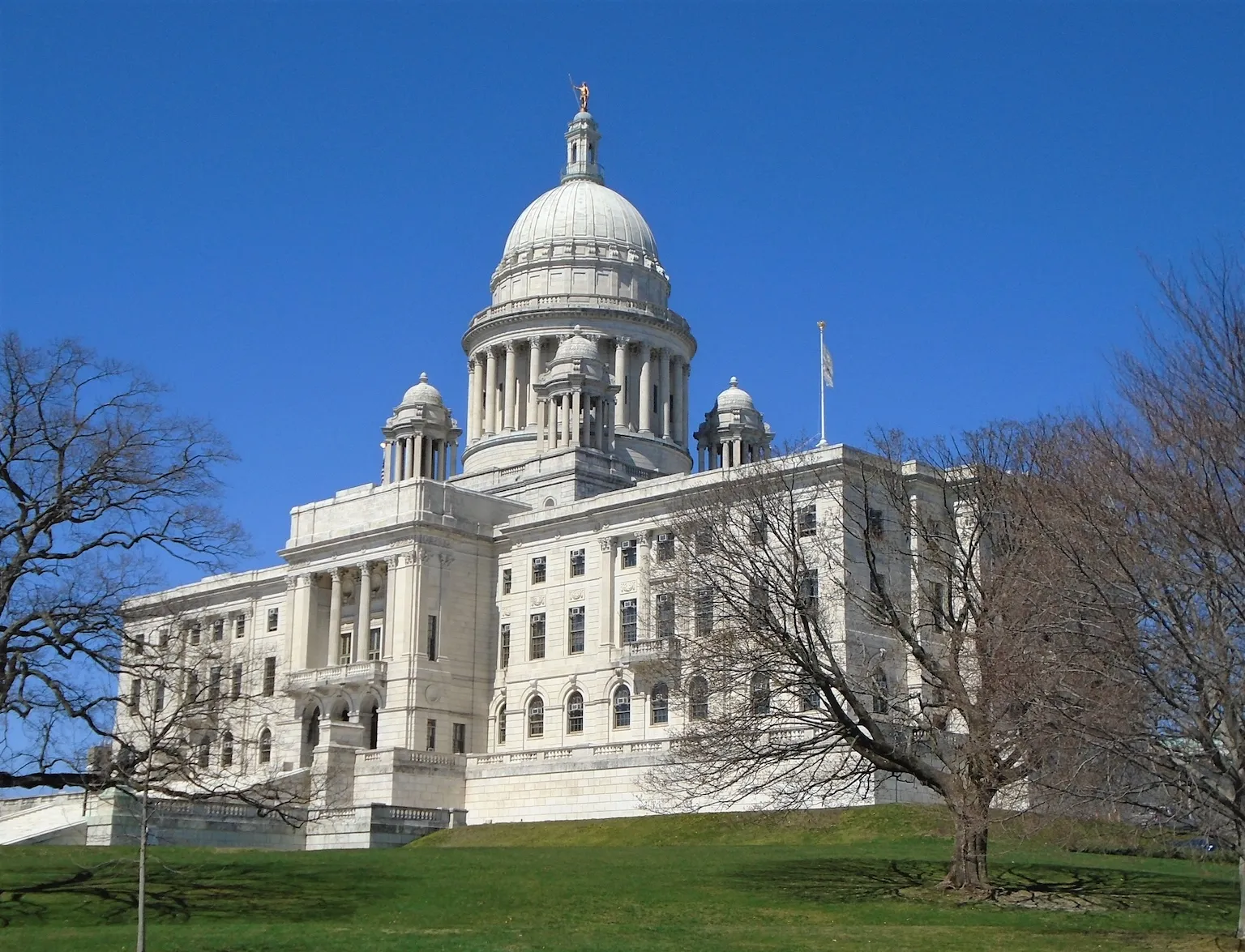
Rhode Island is launching its sixth major housing reform package, aiming to boost affordability through zoning updates, lot splits, code changes, and the revival of single room occupancy and co‑living housing. With the state still recovering from years of underbuilding and soaring home prices, lawmakers hope these reforms will unlock new supply, ease pressure on renters and buyers, and create fresh opportunities for real estate professionals.