In an era where misinformation spreads like wildfire, the term “fake news” has become a significant concern for both individuals and institutions. The Journalist’s Resource provides an insightful roundup of research studies that delve into the causes and implications of fake news, particularly its impact on society and the challenges involved in debunking it.
Fake news isn’t a new phenomenon, but its proliferation during the 2016 U.S. presidential election highlighted its potential to influence public opinion. Social media platforms like Facebook and Google have been at the forefront of efforts to combat fake news, yet the effectiveness of these measures remains uncertain.
According to a Pew Research Center survey, 23% of U.S. adults have shared fake news, whether knowingly or unknowingly. This statistic underscores the need for greater media literacy and critical thinking among the public.
The article references several academic studies, such as The Science of Fake News and Who Falls for Fake News?, which explore the psychological and social dynamics that make individuals susceptible to misinformation. These studies emphasize the role of cognitive biases and the importance of analytical thinking in discerning the truth.
To aid in the fight against misinformation, resources like the Poynter Institute’s tips on debunking fake news and the First Draft Partner Network offer valuable guidance for individuals and newsrooms alike.
As the digital landscape continues to evolve, the battle against fake news is far from over. Understanding the mechanisms behind misinformation and developing robust strategies to counter it are essential steps in safeguarding the integrity of information in the digital age.


More Articles

Getting licensed or staying ahead in your career can be a journey—but it doesn’t have to be overwhelming. Grab your favorite coffee or tea, take a moment to relax, and browse through our articles. Whether you’re just starting out or renewing your expertise, we’ve got tips, insights, and advice to keep you moving forward. Here’s to your success—one sip and one step at a time!

Remote Working’s Transformative Impact on India’s Real Estate

"Remote work has redefined what homebuyers seek in a property. The demand for larger living spaces has surged as individuals prioritize homes that can accommodate both living and working activities."

Navigating the Commercial Real Estate Terrain in 2025: Challenges and Renewed Opportunities

Extreme weather events are expected to become more common, affecting real-estate asset values through higher insurance premiums and disruption costs. Despite this, the risk is not yet adequately priced into transaction yields.

Generative AI: A New Era for Commercial Real Estate

Generative AI (GenAI) is emerging as a transformative force, poised to revolutionize real estate operations by automating and optimizing functions such as property operations and asset management with unprecedented insights and efficiency gains.

Almal Real Estate Expands into Commercial and Global Markets

Almal Real Estate, known for its innovative approaches in the real estate sector, is now setting its sights on international markets, including the UAE, Bali, and Thailand. This expansion is part of a broader strategy to diversify its portfolio and tap into the lucrative commercial real estate sector.

Transformative Trends in Commercial Real Estate for 2025

The commercial real estate sector is poised for significant transformation as we move into 2025. This evolution is driven by a confluence of economic shifts, demographic changes, and technological advancements, creating both challenges and opportunities for stakeholders in the industry.

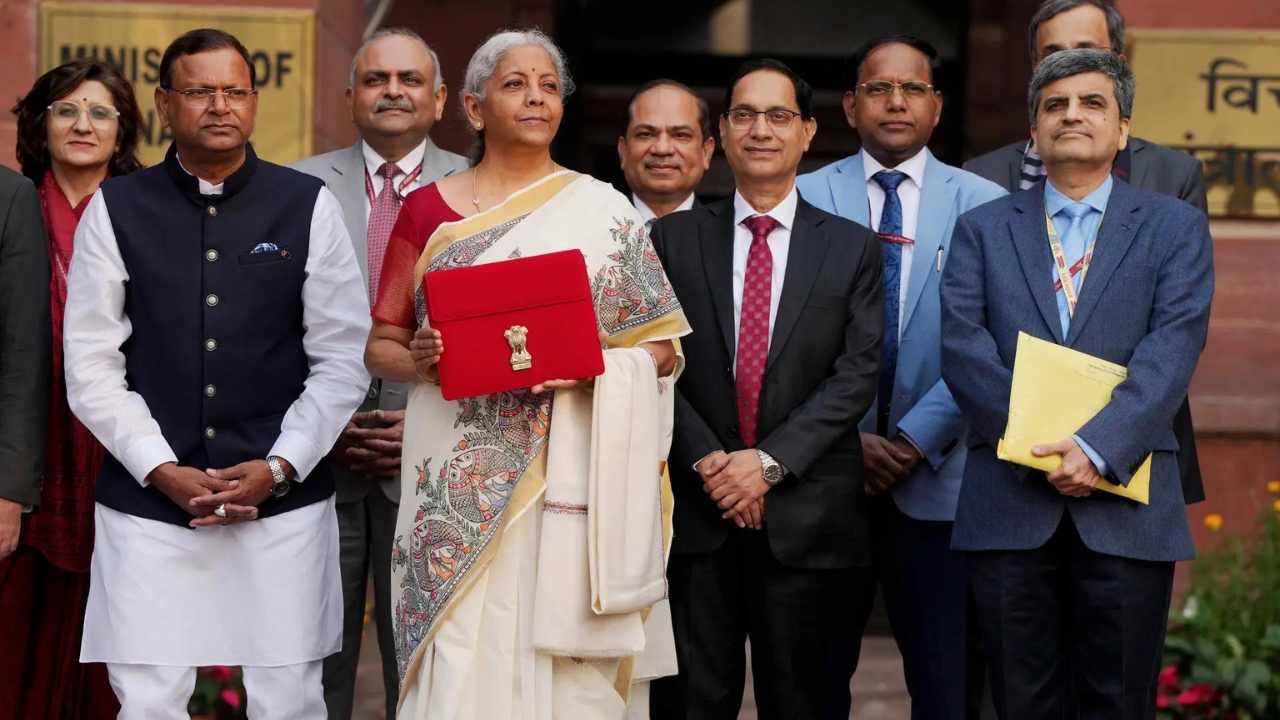
Real Estate Sector Gains Momentum with Budget 2025

The introduction of a national guidance framework for Global Capability Centres (GCCs) is set to bolster the sector significantly, particularly in tier-II and tier-III cities.