In an era where misinformation spreads like wildfire, the term “fake news” has become a significant concern for both individuals and institutions. The Journalist’s Resource provides an insightful roundup of research studies that delve into the causes and implications of fake news, particularly its impact on society and the challenges involved in debunking it.
Fake news isn’t a new phenomenon, but its proliferation during the 2016 U.S. presidential election highlighted its potential to influence public opinion. Social media platforms like Facebook and Google have been at the forefront of efforts to combat fake news, yet the effectiveness of these measures remains uncertain.
According to a Pew Research Center survey, 23% of U.S. adults have shared fake news, whether knowingly or unknowingly. This statistic underscores the need for greater media literacy and critical thinking among the public.
The article references several academic studies, such as The Science of Fake News and Who Falls for Fake News?, which explore the psychological and social dynamics that make individuals susceptible to misinformation. These studies emphasize the role of cognitive biases and the importance of analytical thinking in discerning the truth.
To aid in the fight against misinformation, resources like the Poynter Institute’s tips on debunking fake news and the First Draft Partner Network offer valuable guidance for individuals and newsrooms alike.
As the digital landscape continues to evolve, the battle against fake news is far from over. Understanding the mechanisms behind misinformation and developing robust strategies to counter it are essential steps in safeguarding the integrity of information in the digital age.

More Articles

Getting licensed or staying ahead in your career can be a journey—but it doesn’t have to be overwhelming. Grab your favorite coffee or tea, take a moment to relax, and browse through our articles. Whether you’re just starting out or renewing your expertise, we’ve got tips, insights, and advice to keep you moving forward. Here’s to your success—one sip and one step at a time!

Exploring the Benefits and Risks of AI in Oncology

The potential of AI to transform medical services is immense. From enhancing diagnostic precision to personalizing treatment options, AI is poised to play a pivotal role in the future of healthcare.

By |January 17, 2025|Categories: Article, Artificial Intelligence, Healthcare|Tags: , |0 Comments

The Future of Oncology: How TechBio is Revolutionizing Cancer Treatment and Beyond

The future of oncology is about more than conquering cancer; it’s an opportunity to redefine healthcare access and equity worldwide, ensuring hope and healing for all.

By |January 17, 2025|Categories: Article, Oncology, TechBio|Tags: , |0 Comments

Telehealth: A New Frontier in Equitable Healthcare Access

"Telehealth" offers a promising avenue to bridge these gaps. By facilitating the provision of specialists, reducing travel needs, and ensuring culturally sensitive care. "Telehealth" promotes health inclusivity.

By |January 16, 2025|Categories: Article, Healthcare, Technology|Tags: , |0 Comments

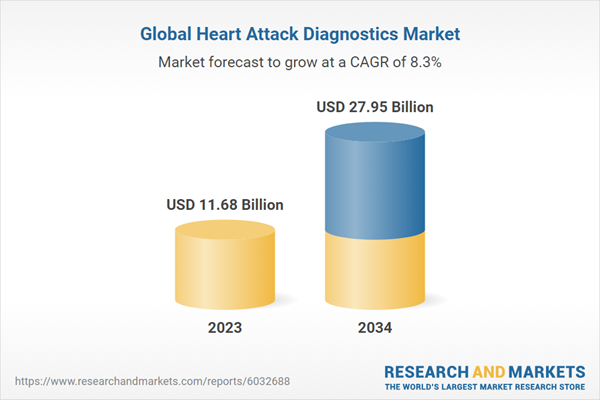
Heart Attack Diagnostics Market Surges with Technological Innovations

The heart attack diagnostics market is poised for remarkable growth, driven by groundbreaking advancements in artificial intelligence, biomarkers, and cutting-edge imaging technologies.

By |January 16, 2025|Categories: Article, Healthcare, Technology|Tags: , |0 Comments

ClearValue Consulting Teams Up with Restb.ai to Revolutionize Real Estate Appraisals

In a bold move to transform the real estate appraisal landscape, ClearValue Consulting has announced a strategic partnership with Restb.ai. This collaboration is set to integrate cutting-edge computer vision technology into ClearValue's renowned valuation review platform, Certainty, bringing about a new era of efficiency and precision in appraisal processes.

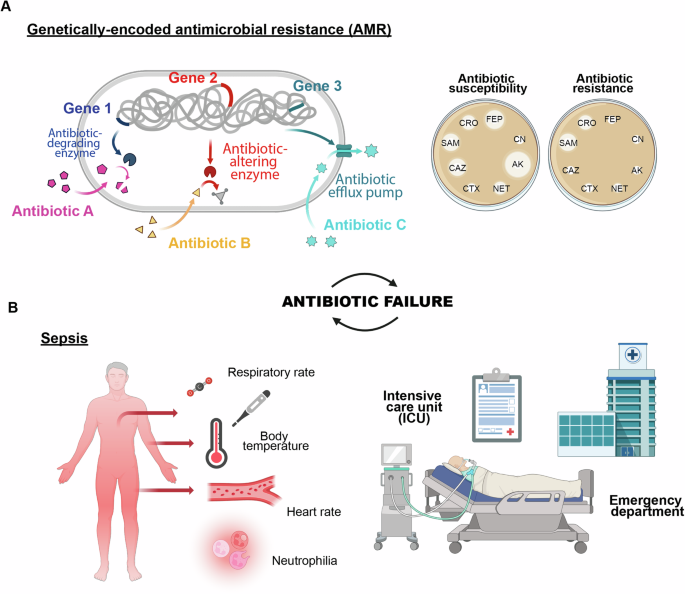
Artificial Intelligence: The New Frontier in Combating Infectious Diseases

AI is transforming how we diagnose and treat infectious diseases, particularly in the realm of antibiotic resistance. Traditional methods of discovering new antibiotics are notoriously slow, often taking years to yield results. However, AI is accelerating this process dramatically.