In an era where misinformation spreads like wildfire, the term “fake news” has become a significant concern for both individuals and institutions. The Journalist’s Resource provides an insightful roundup of research studies that delve into the causes and implications of fake news, particularly its impact on society and the challenges involved in debunking it.
Fake news isn’t a new phenomenon, but its proliferation during the 2016 U.S. presidential election highlighted its potential to influence public opinion. Social media platforms like Facebook and Google have been at the forefront of efforts to combat fake news, yet the effectiveness of these measures remains uncertain.
According to a Pew Research Center survey, 23% of U.S. adults have shared fake news, whether knowingly or unknowingly. This statistic underscores the need for greater media literacy and critical thinking among the public.
The article references several academic studies, such as The Science of Fake News and Who Falls for Fake News?, which explore the psychological and social dynamics that make individuals susceptible to misinformation. These studies emphasize the role of cognitive biases and the importance of analytical thinking in discerning the truth.
To aid in the fight against misinformation, resources like the Poynter Institute’s tips on debunking fake news and the First Draft Partner Network offer valuable guidance for individuals and newsrooms alike.
As the digital landscape continues to evolve, the battle against fake news is far from over. Understanding the mechanisms behind misinformation and developing robust strategies to counter it are essential steps in safeguarding the integrity of information in the digital age.


More Articles

Getting licensed or staying ahead in your career can be a journey—but it doesn’t have to be overwhelming. Grab your favorite coffee or tea, take a moment to relax, and browse through our articles. Whether you’re just starting out or renewing your expertise, we’ve got tips, insights, and advice to keep you moving forward. Here’s to your success—one sip and one step at a time!

Gene Editing: A Promising Frontier in Biotechnology

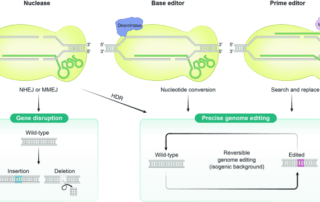
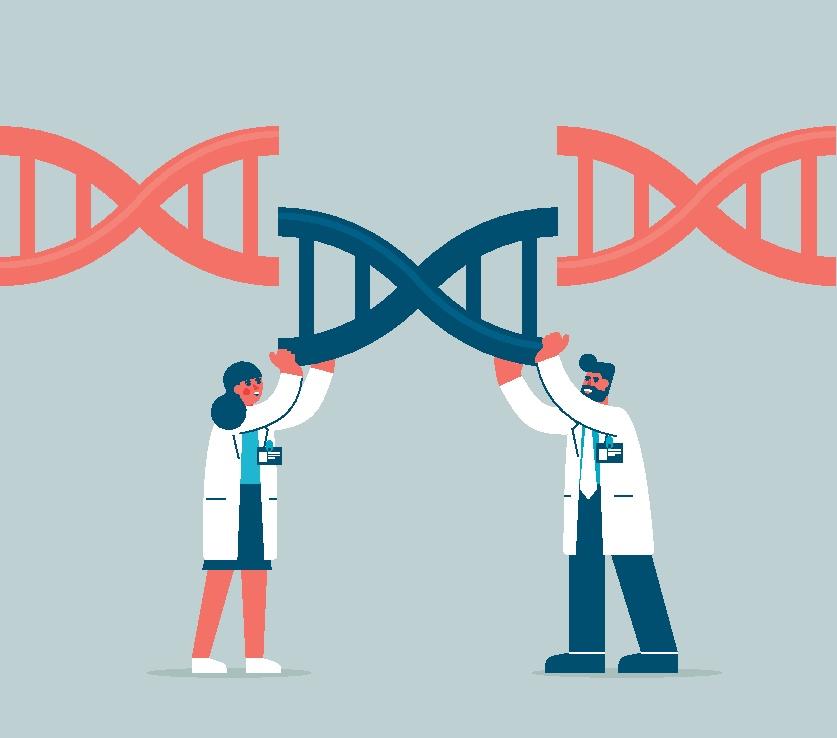
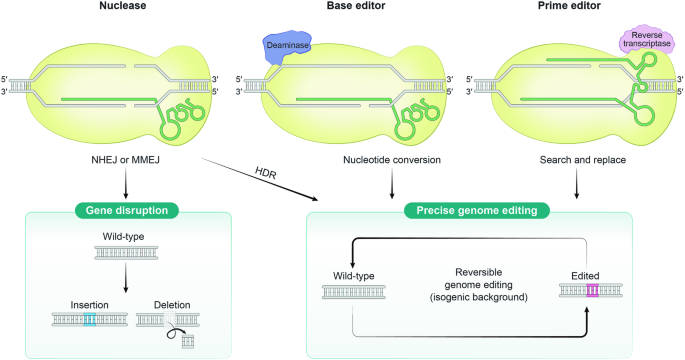
Gene editing technology is swiftly emerging as a transformative force in both healthcare and agriculture, particularly through tools like CRISPR-Cas9, which offer precise methods to modify genes and promise to revolutionize treatment for genetic disorders, cancer, and infectious diseases.

Empowering the Gig Economy: AXA’s Tailored Protection

Angela Wong, Chief Marketing and Customer Officer at AXA Hong Kong & Macau, underscores the critical need for comprehensive insurance solutions for gig workers.

By |November 24, 2024|Categories: Article, Business, Insurance|Tags: , |0 Comments

Ethical Deployment of AI in Healthcare: AMA’s Guiding Strategies

The AMA highlights that AI's integration must be guided by the fundamental principles of medical ethics: patient autonomy, beneficence, nonmaleficence, and justice.

By |November 24, 2024|Categories: Article, Healthcare, Technology Ethics|Tags: , |0 Comments

AI’s Role in Revolutionizing Medical Education

AI, which simulates human intelligence, is reshaping various sectors, particularly healthcare. The ability to perform complex tasks, such as diagnostics and personalized healthcare, is no longer confined to human capabilities alone.

By |November 23, 2024|Categories: Article, Education, Technology|Tags: , |0 Comments

AI Chatbots in Chronic Disease Diagnosis

A recent study published in Nature on July 25, 2024, unveils a cutting-edge chatbot named Chat Ella, designed to assist in the diagnosis of chronic diseases.

Revolutionizing Genetic Research with CRISPR-Cas Technology

CRISPR-Cas technology is not just a tool but a gateway to understanding the genetic influences on diseases.