As we approach the year 2034, the US housing market is poised for a transformation fueled by a blend of demographic shifts, technological advancements, and evolving economic factors. This landscape, as explored in a recent article from Norada Real Estate Investments, presents a fascinating glimpse into the future of real estate.

Demographic Shifts and Housing Demand

The aging baby boomer generation, predicted to comprise 21% of the population by 2030, will significantly influence housing preferences. There will be an increased demand for age-friendly housing with features like single-story layouts and wider doorways. Additionally, downsizing trends among retirees could boost demand for smaller properties, while the rise of multi-generational living might necessitate homes with in-law suites or separate living spaces. Meanwhile, millennials and Gen Z will continue to favor urban living and sustainable, tech-integrated homes.

Technological Advancements in Real Estate

By 2034, technology is set to revolutionize the housing market. Virtual and augmented reality will transform house hunting with immersive 3D tours. AI and machine learning will enhance property valuation and mortgage processes, while smart home technology will become the norm, integrating IoT devices for improved energy efficiency and security. Furthermore, 3D printing and modular construction may address housing shortages by reducing construction times and costs.

Climate Change and Sustainable Housing

As climate concerns escalate, sustainability will take center stage in real estate. Expect a surge in energy-efficient homes equipped with solar panels and smart energy management systems. In disaster-prone areas, resilient construction will be prioritized. Urban planning will focus on mixed-use developments to reduce carbon footprints, and the use of green building materials will become more prevalent.

Evolving Work Patterns and Housing

The shift towards remote work, accelerated by the COVID-19 pandemic, will continue to impact the housing market. Homes will increasingly feature dedicated office spaces, and there may be a suburban and rural revival as workers seek larger homes outside urban centers. Flexible living spaces that adapt to changing needs will also gain popularity.

Economic Factors and Housing Affordability

The trajectory of interest rates will significantly impact housing affordability. Income inequality could exacerbate affordability issues, while government policies on zoning and tax incentives will play a crucial role. Alternative financing models like rent-to-own schemes may emerge to address these challenges.

The Rise of Build-to-Rent and Institutional Investors

The rental market is evolving, with build-to-rent communities offering amenities and professional management becoming more common. Institutional investors will likely influence the single-family rental market, affecting housing supply and rental rates. The future of short-term rentals like Airbnb remains uncertain, with potential for increased regulation.

Urban Development and Redevelopment

Cities will focus on densification through infill development and the adaptive reuse of commercial spaces for residential purposes. The concept of 15-minute cities, where essential services are within a short walk, is expected to gain traction.

Regional Shifts and Migration Patterns

Climate migration could lead to population declines in vulnerable coastal regions, while resilient areas may see growth. New economic hubs, particularly in tech sectors, could drive unexpected housing demand, and regions with a high quality of life may attract more residents.

The Evolution of Real Estate Services

The real estate industry will evolve with AI-powered agents reducing the need for human intermediaries. Blockchain technology could streamline property transactions, and data-driven decision making will become crucial in investment and urban planning.

Challenges and Opportunities in the 2034 Housing Market

The coming decade presents challenges such as addressing housing affordability and adapting to demographic changes. However, opportunities lie in leveraging technology for sustainable housing solutions and developing innovative financing models.
The future of the US housing market is a tapestry of exciting possibilities and formidable challenges. As we navigate these changes, adaptability and forward-thinking will be essential for homeowners, investors, and industry professionals alike.


More Articles

Getting licensed or staying ahead in your career can be a journey—but it doesn’t have to be overwhelming. Grab your favorite coffee or tea, take a moment to relax, and browse through our articles. Whether you’re just starting out or renewing your expertise, we’ve got tips, insights, and advice to keep you moving forward. Here’s to your success—one sip and one step at a time!

Why Today’s High Mortgage Rates Matter More Than Ever for the Housing Market

A growing share of American homeowners now carry mortgage rates above 5%—a dramatic shift that’s reshaping refinancing, inventory, and buyer behavior nationwide. With more than 30% of borrowers locked into rates over 5% and 20% above 6%, the market is split between owners holding on to low pandemic‑era loans and new buyers taking on higher‑rate mortgages. Federal efforts to push rates down could unlock millions of refinancing opportunities, while buyers see only modest monthly savings. For real estate professionals, understanding these rate dynamics is crucial as they increasingly drive inventory levels, affordability, and market activity.

CRE Deal Volume Dips in December, but Office Sector Stages an Unexpected Comeback

New Moody’s data shows commercial real estate deal volume slipped 20% in December, marking a second monthly decline. Yet the full year tells a different story: 2025 ended with a 17% gain, signaling a quiet but resilient recovery. The biggest surprise came from the office sector, which posted a 21% jump in activity as return‑to‑office trends and AI‑driven job growth boosted demand. Multifamily, retail, and alternative assets like data centers also saw strong momentum, giving real estate professionals a market full of fresh opportunities heading into 2026.

Florida Kicks Off 2026 With Major Auto Insurance Rate Cuts and Market Stability

Florida drivers and industry professionals are heading into 2026 with good news: auto insurance rates are dropping across the state as the market shows strong signs of stabilization. USAA leads the latest wave with a 7% average rate decrease expected in May 2026, saving members more than $125 million annually. They join several major insurers — including State Farm, Progressive, AAA, Allstate, and Florida Farm Bureau — all approving significant reductions. Officials credit recent legislative reforms, especially tort reform, for the improved loss ratios and renewed insurer confidence. With both auto and home insurance markets strengthening, Florida’s real estate, mortgage, and insurance professionals can expect more consumer confidence, smoother transactions, and expanding career opportunities.

The 2024 Housing Shortage: Why America Is Still 1.2 Million Homes Behind

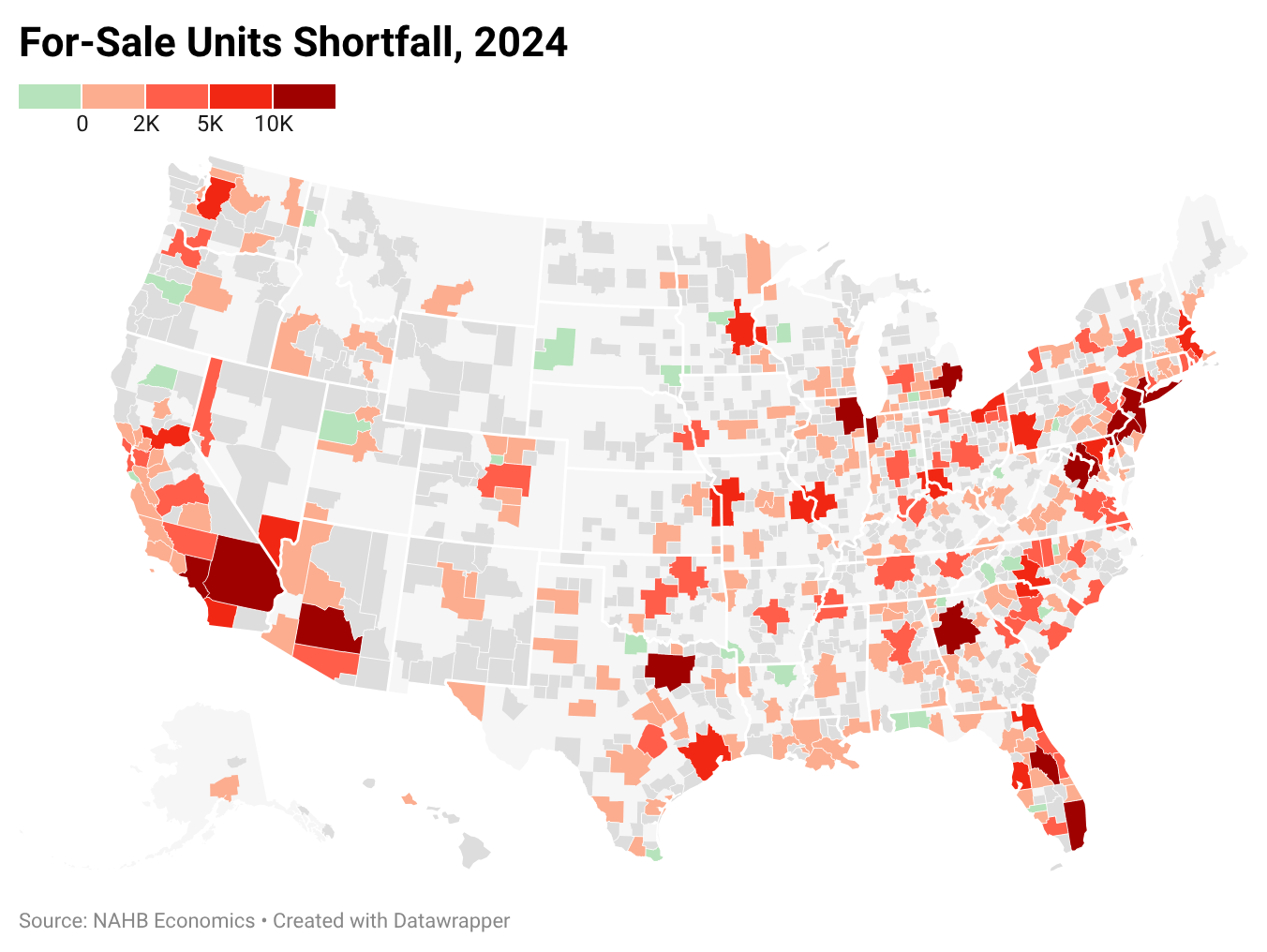
New data from Eye On Housing and the NAHB shows the U.S. remains short more than 1.2 million housing units, keeping pressure on both rents and home prices. Record‑low vacancy rates, slow single‑family construction, and restrictive zoning continue to fuel intense competition in 2024. Major metros like Chicago, New York, and Atlanta face some of the deepest deficits, and the true nationwide shortfall may be even higher when accounting for overcrowding and aging homes. For real estate professionals, the ongoing shortage means sustained demand, tighter inventory, and major opportunities for those who understand the evolving market.

AI Isn’t the Shiny Object Anymore — It’s the New System Driving Real Estate Success

Top real estate coach Jason Pantana says the divide between agents today isn’t about who has “tried” AI — it’s about who is immersed in it. In a new HousingWire interview, he explains why AI isn’t a gimmick but a full business system that amplifies output, improves authenticity, and reshapes how clients search for agents. From prompt mastery to AI‑driven visibility on Google, Pantana reveals how agents who commit even 15 minutes a day to learning AI are already outperforming those who hesitate.

DFW Commercial Real Estate 2025: Industrial Surges, Retail Shines, Office Struggles

Dallas–Fort Worth’s commercial real estate market closed 2025 with a split personality. Industrial dominated with massive new deliveries and soaring leasing demand, retail held steady with some of the market’s strongest fundamentals in years, and office continued to falter under remote‑work pressures. High vacancies, weak absorption, and rising demand for top‑tier space show the sector’s ongoing reset. Meanwhile, industrial and retail strength position the Metroplex for another powerhouse year heading into 2026.