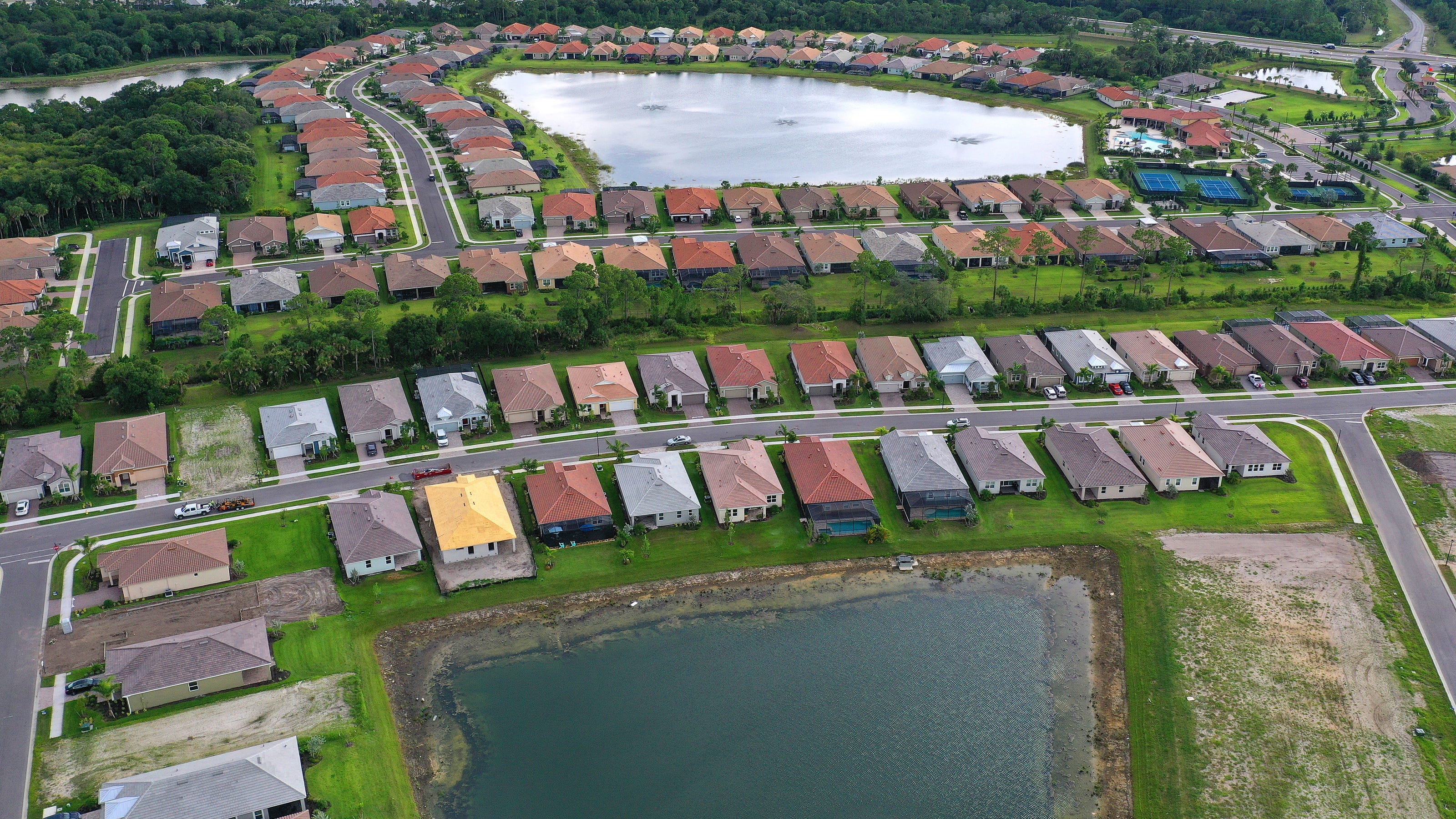
As we approach the year 2034, the
US housing market is poised for a transformation fueled by a blend of demographic shifts, technological advancements, and evolving economic factors. This landscape, as explored in a recent article from
Norada Real Estate Investments, presents a fascinating glimpse into the future of real estate.
Demographic Shifts and Housing Demand
The aging baby boomer generation, predicted to comprise 21% of the population by 2030, will significantly influence housing preferences. There will be an
increased demand for age-friendly housing with features like single-story layouts and wider doorways. Additionally,
downsizing trends among retirees could boost demand for smaller properties, while the rise of
multi-generational living might necessitate homes with in-law suites or separate living spaces. Meanwhile,
millennials and Gen Z will continue to favor urban living and sustainable, tech-integrated homes.
Technological Advancements in Real Estate
By 2034,
technology is set to revolutionize the housing market.
Virtual and augmented reality will transform house hunting with immersive 3D tours.
AI and machine learning will enhance property valuation and mortgage processes, while
smart home technology will become the norm, integrating IoT devices for improved energy efficiency and security. Furthermore,
3D printing and modular construction may address housing shortages by reducing construction times and costs.
Climate Change and Sustainable Housing
As climate concerns escalate,
sustainability will take center stage in real estate. Expect a surge in
energy-efficient homes equipped with solar panels and smart energy management systems. In disaster-prone areas,
resilient construction will be prioritized. Urban planning will focus on
mixed-use developments to reduce carbon footprints, and the use of
green building materials will become more prevalent.
Evolving Work Patterns and Housing
The shift towards
remote work, accelerated by the COVID-19 pandemic, will continue to impact the housing market. Homes will increasingly feature
dedicated office spaces, and there may be a
suburban and rural revival as workers seek larger homes outside urban centers.
Flexible living spaces that adapt to changing needs will also gain popularity.
Economic Factors and Housing Affordability
The trajectory of
interest rates will significantly impact
housing affordability. Income inequality could exacerbate affordability issues, while government policies on zoning and tax incentives will play a crucial role.
Alternative financing models like rent-to-own schemes may emerge to address these challenges.
The Rise of Build-to-Rent and Institutional Investors
The rental market is evolving, with
build-to-rent communities offering amenities and professional management becoming more common.
Institutional investors will likely influence the single-family rental market, affecting housing supply and rental rates. The future of
short-term rentals like Airbnb remains uncertain, with potential for increased regulation.
Urban Development and Redevelopment
Cities will focus on
densification through infill development and the
adaptive reuse of commercial spaces for residential purposes. The concept of
15-minute cities, where essential services are within a short walk, is expected to gain traction.
Regional Shifts and Migration Patterns
Climate migration could lead to population declines in vulnerable coastal regions, while resilient areas may see growth. New economic hubs, particularly in tech sectors, could drive unexpected housing demand, and regions with a high quality of life may attract more residents.
The Evolution of Real Estate Services
The real estate industry will evolve with
AI-powered agents reducing the need for human intermediaries.
Blockchain technology could streamline property transactions, and
data-driven decision making will become crucial in investment and urban planning.
Challenges and Opportunities in the 2034 Housing Market
The coming decade presents challenges such as addressing
housing affordability and adapting to demographic changes. However, opportunities lie in leveraging
technology for sustainable housing solutions and developing innovative financing models.
The future of the
US housing market is a tapestry of exciting possibilities and formidable challenges. As we navigate these changes, adaptability and forward-thinking will be essential for homeowners, investors, and industry professionals alike.