Understanding the Role of a Certified Financial Planner (CFP)

In today’s complex financial landscape, the role of a Certified Financial Planner (CFP) has become increasingly crucial for individuals seeking sound financial advice. The designation of CFP is awarded by the Certified Financial Planner Board of Standards, highlighting a professional’s expertise in various financial planning areas. This rigorous certification process ensures that CFPs stand out as trusted advisors in the field.

The Journey to Becoming a CFP

Becoming a CFP is no easy feat. It involves a comprehensive certification process that encompasses education, examination, experience, and ethics. Candidates must possess a bachelor’s degree and complete specific coursework in financial planning. The CFP exam, a challenging test of 170 multiple-choice questions, covers topics such as investment planning, tax strategies, and estate planning. Moreover, aspiring CFPs must gain substantial real-world experience, requiring at least three years of full-time professional involvement in the industry. This experience can be accumulated through roles at financial planning firms, banks, or insurance companies.

Fiduciary Duty: The Cornerstone of CFP Ethics

A significant aspect of the CFP designation is the fiduciary duty that comes with it. This duty mandates that CFPs act in the best interests of their clients at all times. Unlike some other financial professionals, CFPs are legally obligated to prioritize their clients’ needs over their own financial gain. This ethical commitment ensures that CFPs provide unbiased and client-focused advice. The CFP Board defines this fiduciary duty as encompassing three primary responsibilities:
  • The duty of loyalty: Placing the client’s interests first.
  • The duty of care: Acting with competence and diligence.
  • The duty to follow client instructions: Complying with all reasonable and lawful client requests.

Why Choose a CFP?

For those navigating the intricacies of financial planning, a CFP serves as a personal financial coach. They bring a wealth of knowledge and experience to the table, helping clients make informed decisions about retirement, investments, education planning, and taxes. In a world where financial decisions can have long-lasting impacts, having a CFP by your side ensures that your financial plan is tailored to your unique needs and goals. They are not just advisors; they are partners in your financial journey.

The Bottom Line

The CFP designation is a testament to a professional’s dedication to excellence in financial planning. Behind those three letters are years of education, rigorous testing, and a commitment to ethical standards. Whether you’re planning for retirement, saving for your children’s education, or making everyday financial decisions, a CFP is equipped to guide you with expertise and integrity. For more insights and a deeper understanding of what it takes to become a CFP, consider exploring the original article on Investopedia.

More Articles

Getting licensed or staying ahead in your career can be a journey—but it doesn’t have to be overwhelming. Grab your favorite coffee or tea, take a moment to relax, and browse through our articles. Whether you’re just starting out or renewing your expertise, we’ve got tips, insights, and advice to keep you moving forward. Here’s to your success—one sip and one step at a time!

Massachusetts Investment Firm Makes Strategic Move Into Connecticut With $3.65M Red Robin-Anchored Purchase

Newman Properties, a Massachusetts-based investment firm, has expanded its footprint into Connecticut with the $3.65 million acquisition of a 6,350‑square‑foot retail building in Enfield. Anchored by national restaurant chain Red Robin, the property offers the type of stable tenancy investors seek when entering new markets. The deal underscores growing confidence in anchored retail assets and provides a valuable real-world example for real estate professionals studying market analysis, investment strategy, and portfolio expansion.

JPMorgan Flags a Sunbelt Slowdown as Florida and Texas See Sharp Home Price Drops

JPMorgan now expects national home prices to flatten in 2026, but the Sunbelt is telling a very different story. Florida home values are down 5.1%, Texas is down 2.4%, and analysts warn that years of rapid building are finally catching up to the region. As demand stabilizes and inventory swells, real estate professionals — especially in Florida — face a market full of challenges, opportunities, and critical timing decisions.

AI Is Reshaping Mortgage Underwriting in 2026 as Industry Pros Brace for Major Change

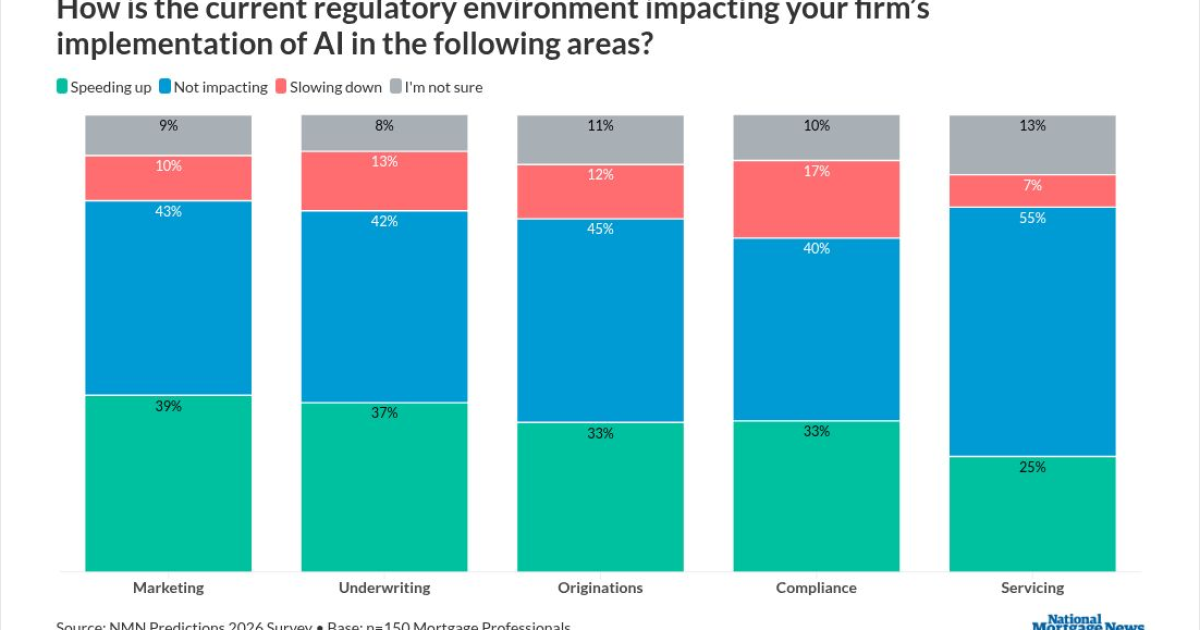
Artificial intelligence is finally stepping into the mortgage underwriting spotlight, with 57% of mortgage professionals predicting it will drive the most transformative industry shift in 2026. Thanks to major advancements in language models and workflow automation, AI is now capable of navigating the messy, document-heavy realities that have long slowed underwriting. From faster preapprovals to improved credit analysis and real‑time income verification, AI is streamlining processes while allowing underwriters to focus on true risk management. As regulatory winds shift and grassroots pressure builds within lending teams, the industry is entering a pivotal era where AI‑powered underwriting becomes not just an advantage — but an expectation.

Portland’s Commercial Market Suffers a Historic $2 Billion Collapse

Portland’s top 20 office towers have lost an unprecedented 70% of their value since 2019—plunging from $3 billion to under $1 billion—triggering tax revenue shortfalls, budget crises, and a surge in appeals as the city grapples with its biggest commercial real estate reset in modern history.

When Virtual Reality Becomes the New Penthouse Tour: Miami Students Step Inside a $1M Tech-Driven Luxury Tower Experience

South Florida’s luxury real estate market just raised the bar again — this time with a $1 million virtual reality system that lets buyers walk through Dolce & Gabbana’s upcoming Miami tower long before construction wraps. Real estate master’s students were given an immersive look inside the project, discovering how VR is transforming high‑end development, influencing buyer psychology, and shaping the future skills today’s professionals need.

Long Island’s Latest Commercial Moves: From Pizza Huts to Auto Parts Warehouses

Long Island’s commercial real estate scene is kicking off 2026 with a surge of activity—industrial leases in Medford, neighborhood retail trades in Bohemia, Pizza Hut’s new DELCO expansion in Centereach, mixed‑use acquisitions in Melville, and major investor interest in bank‑leased and franchise-backed properties. From warehouses to restaurant rebrands, these deals highlight a region evolving fast and offering fresh opportunities for agents, investors, and professionals looking to stay ahead in the market.