Understanding the Role of a Certified Financial Planner (CFP)

In today’s complex financial landscape, the role of a Certified Financial Planner (CFP) has become increasingly crucial for individuals seeking sound financial advice. The designation of CFP is awarded by the Certified Financial Planner Board of Standards, highlighting a professional’s expertise in various financial planning areas. This rigorous certification process ensures that CFPs stand out as trusted advisors in the field.

The Journey to Becoming a CFP

Becoming a CFP is no easy feat. It involves a comprehensive certification process that encompasses education, examination, experience, and ethics. Candidates must possess a bachelor’s degree and complete specific coursework in financial planning. The CFP exam, a challenging test of 170 multiple-choice questions, covers topics such as investment planning, tax strategies, and estate planning. Moreover, aspiring CFPs must gain substantial real-world experience, requiring at least three years of full-time professional involvement in the industry. This experience can be accumulated through roles at financial planning firms, banks, or insurance companies.

Fiduciary Duty: The Cornerstone of CFP Ethics

A significant aspect of the CFP designation is the fiduciary duty that comes with it. This duty mandates that CFPs act in the best interests of their clients at all times. Unlike some other financial professionals, CFPs are legally obligated to prioritize their clients’ needs over their own financial gain. This ethical commitment ensures that CFPs provide unbiased and client-focused advice. The CFP Board defines this fiduciary duty as encompassing three primary responsibilities:
  • The duty of loyalty: Placing the client’s interests first.
  • The duty of care: Acting with competence and diligence.
  • The duty to follow client instructions: Complying with all reasonable and lawful client requests.

Why Choose a CFP?

For those navigating the intricacies of financial planning, a CFP serves as a personal financial coach. They bring a wealth of knowledge and experience to the table, helping clients make informed decisions about retirement, investments, education planning, and taxes. In a world where financial decisions can have long-lasting impacts, having a CFP by your side ensures that your financial plan is tailored to your unique needs and goals. They are not just advisors; they are partners in your financial journey.

The Bottom Line

The CFP designation is a testament to a professional’s dedication to excellence in financial planning. Behind those three letters are years of education, rigorous testing, and a commitment to ethical standards. Whether you’re planning for retirement, saving for your children’s education, or making everyday financial decisions, a CFP is equipped to guide you with expertise and integrity. For more insights and a deeper understanding of what it takes to become a CFP, consider exploring the original article on Investopedia.

More Articles

Getting licensed or staying ahead in your career can be a journey—but it doesn’t have to be overwhelming. Grab your favorite coffee or tea, take a moment to relax, and browse through our articles. Whether you’re just starting out or renewing your expertise, we’ve got tips, insights, and advice to keep you moving forward. Here’s to your success—one sip and one step at a time!

2025 Commercial Real Estate Outlook: Navigating a New Era

The commercial real estate landscape is on the brink of transformation as leaders seek to navigate the challenges of recent years and position their organizations for future opportunities.

The Emerging Mental Health Crisis Among Healthcare Workers During the COVID-19 Pandemic

The pandemic has ushered in a wave of mental health challenges that affect healthcare workers profoundly. From the onset of COVID-19, these professionals have been at the forefront, facing immense pressure, long hours, and the constant fear of exposure.

By |December 18, 2024|Categories: Article, Healthcare Workers, Mental Health|Tags: , |0 Comments

Ethical Concerns of Large Language Models in Healthcare

Exploring the dual nature of LLMs offers substantial benefits in healthcare but also raises significant ethical concerns, underscoring the need for well-defined guidelines and human oversight.

The Role of Wearable Devices in Chronic Disease Monitoring and Patient Care: A Comprehensive Review

Wearable devices have become integral in managing chronic conditions by providing continuous health data, empowering patients and healthcare professionals with insights that were previously unattainable.

AI Training Mandates: Navigating Legal Waters in Dentistry

The integration of artificial intelligence (AI) into dental practices is more than a technological trend; it represents a seismic shift in the industry. This transformation is reshaping skill sets and prompting a thorough examination of legal and ethical implications.

By |December 17, 2024|Categories: Article, Legal, Technology|Tags: , |0 Comments

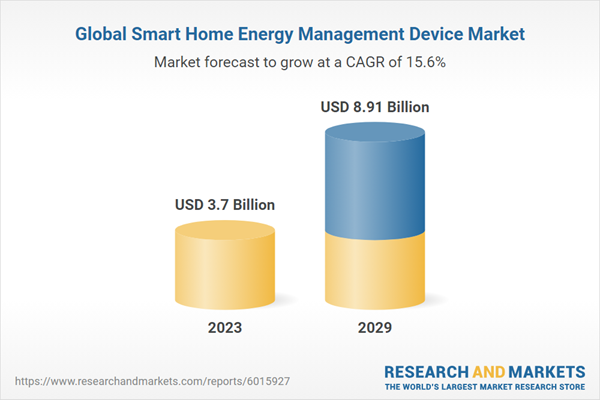
Smart Home Energy Management Devices: A Market Poised for Growth

The Global Smart Home Energy Management Device Market is on the brink of a significant transformation, driven by escalating demands for energy-efficient solutions and the increasing adoption of smart home technologies.