The Waldorf Astoria’s Billion-Dollar Test: Is Commercial Real Estate Finally Recovering?
Few buildings in America carry the cultural weight of Manhattan’s Waldorf Astoria. Once home to icons like Cole Porter, Frank Sinatra, and Marilyn Monroe — and even the site of Grace Kelly’s famed engagement party — this legendary landmark is stepping back into the spotlight, this time as a potential catalyst for a commercial real estate revival.
A report from The Daily Upside reveals that the Chinese state-run company that owns the property may list it for sale. The last transaction occurred in 2014 when China’s Anbang Insurance Group purchased the hotel for $1.95 billion — then poured more than $1 billion above budget into renovations. Now, its rumored sale price could exceed a billion dollars, even if it means Beijing taking a substantial loss.
A Sale That Signals a Turning Market
The timing is striking. After several turbulent years marked by inflation spikes, tariff battles, and even a 43-day government shutdown in late 2025, commercial real estate has been fighting uphill. But new indicators suggest a shift — perhaps even a resurgence.
Research from NAIOP showed that in 2025 alone, new commercial projects added $3.5 trillion to U.S. GDP. Firms such as JPMorgan and CBRE now forecast an increasingly optimistic 2026, hinting that momentum may finally be accelerating.
Market Optimism at a Glance
JPMorgan anticipates a rise in transactions in 2026, fueled by stronger fundamentals and renewed capital stability.
CBRE predicts commercial real estate investment will surge 16% to reach $562 billion — nearly back to pre-pandemic levels.
Automation Anxiety in Real Estate Services
However, not all areas of the industry are celebrating. Service-sector giants like CBRE, JLL, Hudson Pacific Properties, and Cushman & Wakefield are wrestling with investor concerns over AI-driven disruption. As artificial intelligence continues reshaping industries from software to law, the ripple is now hitting brokerage operations, staffing models, and property valuation services.
What This Means for Today’s and Tomorrow’s Professionals
Whether you’re in real estate, mortgage lending, construction, or finance, the Waldorf’s highly anticipated sale is more than a flashy headline — it’s a preview of how capital will move, how properties will be evaluated, and how competitive the market may become in the next cycle. Staying informed is no longer optional; it’s essential.
Institutions like Cameron Academy help professionals stay licensed, educated, and ahead of disruptive trends across all 50 states. With the market on the cusp of a new phase, now is the perfect time to strengthen your credentials or explore new opportunities in real estate and beyond.
To explore the full reporting behind this story, visit The Daily Upside for more insights and ongoing coverage.
More Articles
Getting licensed or staying ahead in your career can be a journey—but it doesn’t have to be overwhelming. Grab your favorite coffee or tea, take a moment to relax, and browse through our articles. Whether you’re just starting out or renewing your expertise, we’ve got tips, insights, and advice to keep you moving forward. Here’s to your success—one sip and one step at a time!
After nearly 20 years under uniquely harsh lending rules, Florida may finally see its condo market freed from a 25% down payment requirement imposed only on the state. Industry leaders say Fannie Mae could announce changes as early as December—potentially restoring the standard 10% down payment used everywhere else in the country. Experts believe the shift would boost maintenance funding, improve affordability, and stabilize Florida’s condo market after years of strain.
Phoenix’s commercial real estate market is shaking off years of uncertainty as broker optimism hits its highest level since interest rates began climbing. The latest ASU Commercial Broker Sentiment Index soared to 62.7, signaling strong confidence across multifamily, retail, office, and capital markets. With population growth accelerating, interest rates easing, and AI boosting industry efficiency, Phoenix is positioning itself for a powerful run into 2026—offering meaningful opportunities for both new and seasoned real estate professionals.
Michigan’s House Rules Committee heard testimony on a proposal that would let licensed professionals complete all required continuing education online. Supporters say the change would modernize outdated rules, reduce costs, and improve access for rural and busy workers. The state licensing department backs the measure, and lawmakers noted it could reshape CE options across industries from real estate to insurance and healthcare.
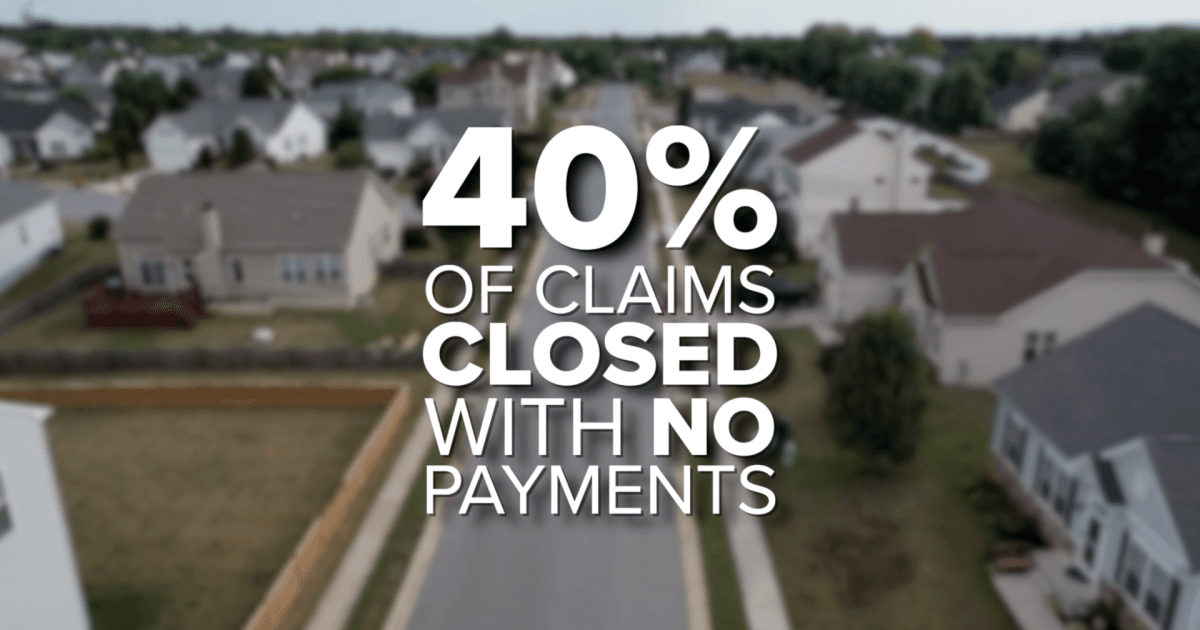
Florida homeowners are now paying an average of $5,838 per year for insurance — nearly $3,000 above the national average — making it one of the most expensive states in the country. As premiums continue to triple for some residents, many are being forced into tough decisions, from delaying home improvements to dropping coverage altogether. With more than 40% of claims closed with no payment and lawmakers pushing for aggressive reforms, the crisis is reshaping Florida’s housing market and placing growing pressure on real estate, mortgage, and insurance professionals statewide.
Griffin Funding has elevated John Jones to Senior Vice President of Growth and EOS Integrator, marking a major step in the company’s long-term expansion strategy. Already a key operational leader since April 2025, Jones will now drive performance optimization, market expansion, and leadership development as the lender pursues an ambitious goal of reaching $3 billion in annual non-QM loan volume by 2030. His promotion underscores Griffin Funding’s commitment to scaling strategically while strengthening its position in the fast-growing non-QM space.
Despite recent Federal Reserve rate cuts, commercial real estate remains frozen. Long‑term Treasury yields continue to climb, keeping borrowing costs high and preventing the relief investors expected. With nearly $1 trillion in commercial loans coming due, refinancing at today’s elevated rates is squeezing owners, slowing transactions, and creating a widening gap between buyers and sellers. For patient, well‑capitalized investors, this period of recalibration may offer some of the strongest opportunities in years.