In the ever-evolving landscape of healthcare technology, wearables have emerged as pivotal tools in personal health management and medical practice. With roots tracing back to the 1970s, when the first calculator wristwatches appeared, these devices have undergone a remarkable transformation. The introduction of smartwatches in 2013 marked a significant leap, integrating a suite of health-monitoring features that have become indispensable, especially in light of insights gained during the COVID-19 pandemic.
Revolutionizing Health Monitoring
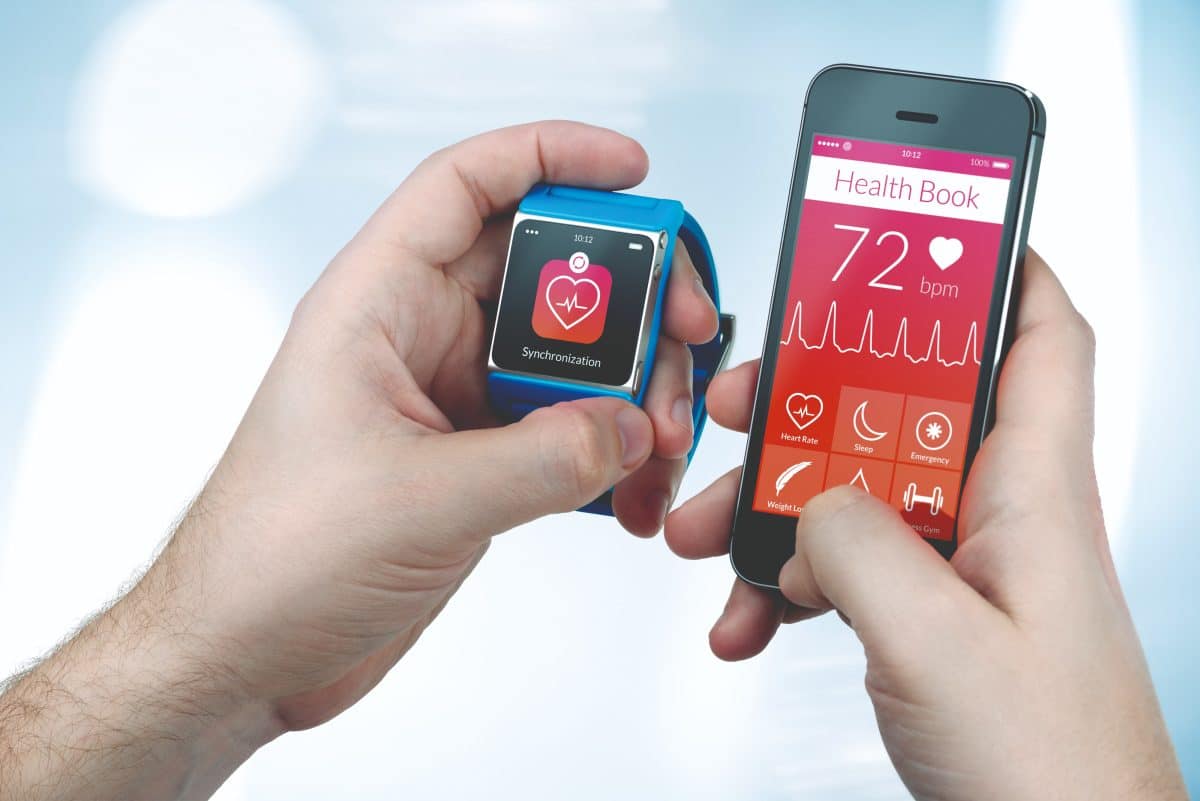
Modern wearables, particularly smartwatches, now offer functionalities such as heart rate monitoring, oxygen saturation, blood pressure tracking, and ECG readings. These features support the growing concepts of quantified self, body hacking, and self-surveillance, fostering a proactive approach to health management. This transformation is not just about technology but also about empowering individuals to take charge of their health.
Cardiovascular Health
Wearables have significantly impacted cardiovascular care. By enabling continuous monitoring of heart rate and ECG, these devices can detect life-threatening arrhythmias, prompting timely medical intervention. The ability to track blood pressure around the clock is invaluable for hypertension patients, aiding in the prevention of heart attacks, strokes, and renal failures.
Diabetes Management
For those managing diabetes, wearables offer a lifeline. Devices that monitor blood glucose levels provide critical data for both patients and healthcare providers, enabling precise insulin administration and minimizing the risk of complications such as diabetic retinopathy and kidney failure.
Lung Diseases
The pandemic underscored the importance of monitoring blood oxygen levels, a feature now common in smartwatches. This capability is crucial for patients with chronic lung conditions, helping them manage oxygen supplementation and improve their quality of life.
Innovations in Eye and Brain Health
Wearables are also making strides in eye and brain health. Smart lenses, equipped with microelectronic processing units, monitor intraocular pressure, offering new hope for glaucoma patients. Meanwhile, seizure alerting devices and VR headsets are breaking ground in managing neurological and psychiatric disorders, enhancing patients’ quality of life.
Challenges and Considerations
Despite their advantages, wearables are not without challenges. Concerns about data accuracy, device reliability, and the potential for false alerts persist. It’s crucial to view these devices as supportive tools rather than replacements for traditional healthcare interactions. As Dr. Mayur Manji Mewada, an authority in the field, notes, “Wearables are essential tools but cannot replace the necessity of professional medical advice and the traditional doctor-patient relationship.”
For more insights, refer to the original article here.
Getting licensed or staying ahead in your career can be a journey—but it doesn’t have to be overwhelming. Grab your favorite coffee or tea, take a moment to relax, and browse through our articles. Whether you’re just starting out or renewing your expertise, we’ve got tips, insights, and advice to keep you moving forward. Here’s to your success—one sip and one step at a time!
Cameron Academy's state-approved 63-hour Florida Real Estate Sales Associate Pre-License Course begins April 13, 2026 at the Dr. Phillips campus in Orlando. Attend in person or join live via Zoom. Morning schedule, expert instruction, and only 14 seats remaining. Enroll now before this class fills up.
The Florida real estate licensing exam is the single biggest gatekeeper between you and a career in one of the nation's most active real estate markets. And the numbers don't sugarcoat it: roughly half of all first-time test-takers in Florida walk out without a passing score. According to data compiled by Colibri Real Estate, Florida's first-time pass rate sits at approximately 51%, with about 41,900 candidates taking the exam each year.
Part-Time vs. Full-Time: Can You Get Your Real Estate License While Working a 9‑to‑5? The honest, data-backed guide to earning your license around a day #ReadMore
Florida’s 2026 legislative session brought significant victories for real estate professionals, with Realtor advocacy preserving key regulatory structures, strengthening property rights, improving major housing programs, and protecting agents from new liabilities. From blocking the dismantling of the Florida Real Estate Commission to advancing bills that support safer, more transparent transactions, these wins shape a more stable future for Florida agents, brokers, and consumers.
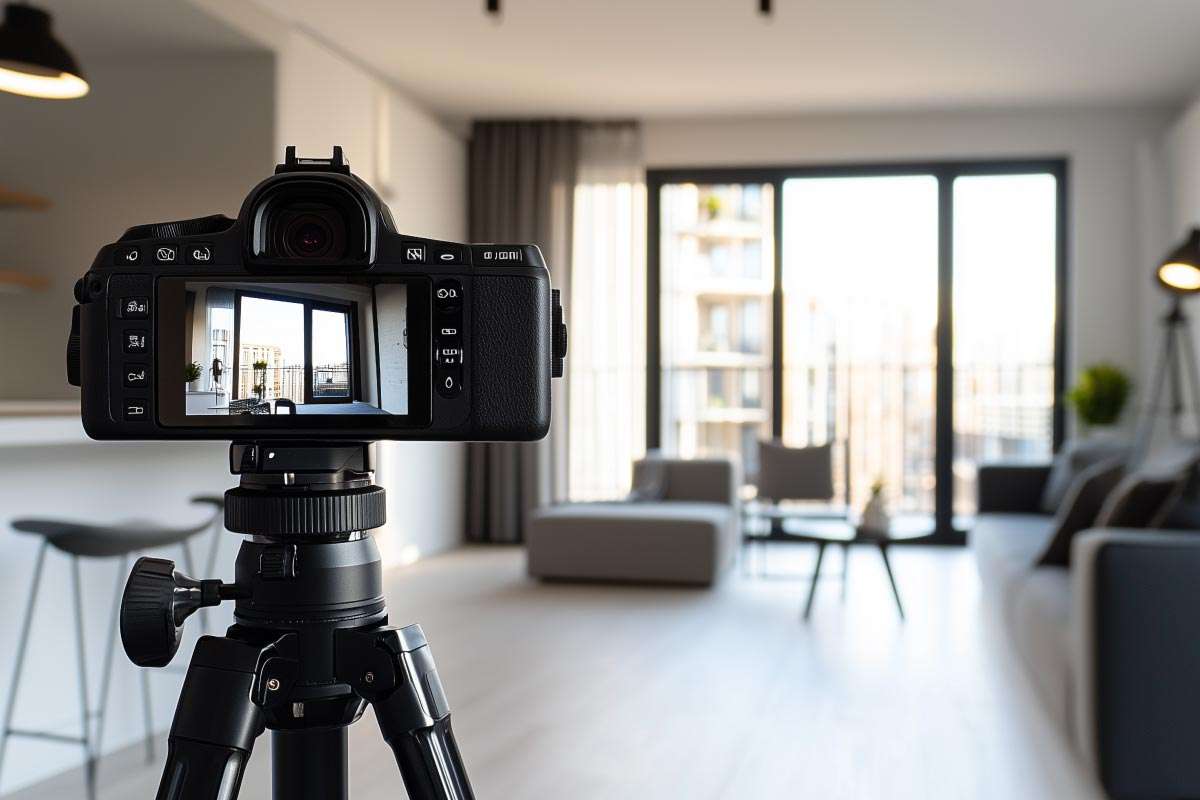
AI‑enhanced listing images are transforming real estate marketing, but they’re also creating a growing trust problem. Tools that once simply brightened rooms can now erase damage, add furniture, or even generate entirely new scenes, fueling a trend known as “housefishing.” As complaints rise and states like California introduce disclosure laws, the industry is being forced to confront a new reality: the more perfect the photos get, the more renters and buyers crave authenticity.
Florida homeowners hit by Hurricane Milton face an important April 9 deadline to file or reopen supplemental insurance claims. With more than 385,000 claims and over 5.6 billion dollars in losses already reported, experts warn that waiting until construction is completed could leave families without the additional funds they’re owed. An 18‑month window applies to supplemental claims, and missing it could cause insurance companies to deny further reimbursement.