“`html

The YIMBY Push for Multifamily Housing Faces Stiff Resistance

In recent years, cities like Minneapolis and states such as Oregon have embarked on ambitious zoning reforms aimed at dismantling the long-standing exclusivity of single-family-home zoning. These efforts, heralded by proponents as a gateway to more inclusive and affordable housing, have been met with significant opposition, stalling the anticipated “yes-in-my-backyard” (YIMBY) revolution.

Despite the initial optimism, the movement has encountered formidable roadblocks. Homeowners across the nation have voiced concerns about potential spikes in traffic, strains on infrastructure, and changes to neighborhood character. In response, multifamily zoning advocates argue that these changes are necessary for broader societal benefits, including addressing the growing crisis of housing affordability and homelessness.

Legal Challenges and Public Sentiment

Legal battles have become a common theme in this zoning reform saga. In a recent decision, the Montana Supreme Court ruled in favor of state laws that encourage multifamily housing, despite objections from homeowners. This ruling highlights the tension between state-level reforms and local homeowner interests, exemplified by the case in Montana where a group named Montanans Against Irresponsible Densification (MAID) challenged the laws as unconstitutional.

Glenn Monahan, a Bozeman resident and managing partner of MAID, expressed his concerns about the impact of increased density on property values and neighborhood aesthetics. “I dread the possibility of waking up one morning and finding that one of my neighbors has sold her property to a developer,” Monahan stated in an affidavit.

Historical Context and Current Trends

The roots of single-family zoning in the United States are intertwined with racial segregation, as evidenced by the establishment of exclusive residential zones in places like Berkeley, California, back in 1916. Today, approximately 75% of residential land in the U.S. is zoned exclusively for single-family homes, often in wealthier and whiter neighborhoods. This historical context has fueled ongoing debates about the role of zoning in perpetuating inequality.

Minneapolis was the first major U.S. city to abolish single-family-only zoning citywide in 2019, allowing up to three dwelling units on any residential lot. Similarly, Oregon passed legislation permitting duplexes and other multifamily structures in certain areas. However, the implementation of these reforms is a slow process, with experts like Stephen Menendian from UC Berkeley noting that it can take up to a decade to see tangible effects.

Community Conversations and Future Prospects

Diana Drogaris, outreach coordinator for the National Zoning Atlas, emphasizes the importance of clear communication between city leaders and residents. She believes that while zoning changes will impact communities, leaders are improving their engagement strategies to address public concerns.

As cities like Austin, Alexandria, and Berkeley continue to explore upzoning proposals, legal challenges remain a significant hurdle. In Berkeley, the city council’s efforts to end exclusionary zoning are part of a broader initiative to address the city’s racist legacy. However, as former councilmember Lori Droste notes, zoning reform is a long-term endeavor that requires patience and persistence.

“Zoning reform is going to take time. It’s probably going to take 20 years before anyone notices real changes,” Droste remarked, underscoring the need for continued efforts to address the housing crisis.

“`

More Articles

Getting licensed or staying ahead in your career can be a journey—but it doesn’t have to be overwhelming. Grab your favorite coffee or tea, take a moment to relax, and browse through our articles. Whether you’re just starting out or renewing your expertise, we’ve got tips, insights, and advice to keep you moving forward. Here’s to your success—one sip and one step at a time!

Unlocking Real Estate Wealth in 2025: Strategies for Success

Step into 2025, where the real estate market emerges as a resilient beacon amidst economic unpredictability. Investors are increasingly drawn to secondary cities like Austin and Manchester, attracted by their growth potential, affordability, and enhanced quality of life.

By |February 18, 2025|Categories: Article, Investment Strategies, Real Estate|Tags: , |0 Comments

AI and Urbanization Drive Home Services Market Growth

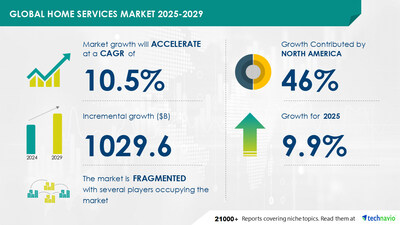
The global home services market is poised for significant growth, with projections indicating an increase of USD 1.03 trillion from 2025 to 2029. This forecasted expansion is attributed to increasing urbanization and the transformative impact of AI on market trends, according to a recent report by Technavio.

Decoding the U.S. Housing Crisis: A Study of Historic Policy Missteps and Demographic Shift

In a revealing study by USC, the roots of the current housing crisis in the United States are traced back to policy missteps and demographic changes that have been unfolding since the early 2000s. The study highlights how these factors have left millennials and people of color disproportionately affected.

Best Real Estate Crowdfunding Platforms for February 2025: Investopedia’s Top Picks

Fundrise stands out for offering investors a chance to diversify their portfolios with real estate exposure through proprietary funds. With a minimum investment as low as $10, it opens doors to beginners and seasoned investors alike.

Top Real Estate Investment Apps of 2025: A Guide for First-Time and Experienced Investors

Business Insider has reviewed a range of platforms available in 2025, focusing on key factors like fees, accessibility for accredited vs. non-accredited investors, and the types of real estate investments offered.