“`html

The YIMBY Push for Multifamily Housing Faces Stiff Resistance

In recent years, cities like Minneapolis and states such as Oregon have embarked on ambitious zoning reforms aimed at dismantling the long-standing exclusivity of single-family-home zoning. These efforts, heralded by proponents as a gateway to more inclusive and affordable housing, have been met with significant opposition, stalling the anticipated “yes-in-my-backyard” (YIMBY) revolution.

Despite the initial optimism, the movement has encountered formidable roadblocks. Homeowners across the nation have voiced concerns about potential spikes in traffic, strains on infrastructure, and changes to neighborhood character. In response, multifamily zoning advocates argue that these changes are necessary for broader societal benefits, including addressing the growing crisis of housing affordability and homelessness.

Legal Challenges and Public Sentiment

Legal battles have become a common theme in this zoning reform saga. In a recent decision, the Montana Supreme Court ruled in favor of state laws that encourage multifamily housing, despite objections from homeowners. This ruling highlights the tension between state-level reforms and local homeowner interests, exemplified by the case in Montana where a group named Montanans Against Irresponsible Densification (MAID) challenged the laws as unconstitutional.

Glenn Monahan, a Bozeman resident and managing partner of MAID, expressed his concerns about the impact of increased density on property values and neighborhood aesthetics. “I dread the possibility of waking up one morning and finding that one of my neighbors has sold her property to a developer,” Monahan stated in an affidavit.

Historical Context and Current Trends

The roots of single-family zoning in the United States are intertwined with racial segregation, as evidenced by the establishment of exclusive residential zones in places like Berkeley, California, back in 1916. Today, approximately 75% of residential land in the U.S. is zoned exclusively for single-family homes, often in wealthier and whiter neighborhoods. This historical context has fueled ongoing debates about the role of zoning in perpetuating inequality.

Minneapolis was the first major U.S. city to abolish single-family-only zoning citywide in 2019, allowing up to three dwelling units on any residential lot. Similarly, Oregon passed legislation permitting duplexes and other multifamily structures in certain areas. However, the implementation of these reforms is a slow process, with experts like Stephen Menendian from UC Berkeley noting that it can take up to a decade to see tangible effects.

Community Conversations and Future Prospects

Diana Drogaris, outreach coordinator for the National Zoning Atlas, emphasizes the importance of clear communication between city leaders and residents. She believes that while zoning changes will impact communities, leaders are improving their engagement strategies to address public concerns.

As cities like Austin, Alexandria, and Berkeley continue to explore upzoning proposals, legal challenges remain a significant hurdle. In Berkeley, the city council’s efforts to end exclusionary zoning are part of a broader initiative to address the city’s racist legacy. However, as former councilmember Lori Droste notes, zoning reform is a long-term endeavor that requires patience and persistence.

“Zoning reform is going to take time. It’s probably going to take 20 years before anyone notices real changes,” Droste remarked, underscoring the need for continued efforts to address the housing crisis.

“`

More Articles

Getting licensed or staying ahead in your career can be a journey—but it doesn’t have to be overwhelming. Grab your favorite coffee or tea, take a moment to relax, and browse through our articles. Whether you’re just starting out or renewing your expertise, we’ve got tips, insights, and advice to keep you moving forward. Here’s to your success—one sip and one step at a time!

Commercial Real Estate Slows Again as Investors Flock to Larger, Safer Deals

November marked another cooldown for commercial real estate, with total deal volume dropping 10% year over year and falling below even 2020’s levels. While overall activity is slowing, investors are concentrating their money on bigger, more resilient assets—driving a 51% surge in deals over $100 million and pushing average transaction sizes well above historical norms. Multifamily remains the strongest sector, office deals are becoming more strategically focused, and medical office and data centers continue to outperform as long‑term demand stays solid.

Lower Rates Could Spark a Commercial Real Estate Comeback in 2026

After years of stalled activity, commercial real estate may finally be nearing a rebound. Experts say that expected interest‑rate drops in 2026 could reignite investor confidence, unlock sidelined capital, and boost deal flow across multiple sectors. But the outlook isn’t uniformly sunny—multifamily faces oversupply, industrial is cooling after years of rapid growth, and weakening employment conditions may slow absorption. For professionals across real estate, mortgage, insurance, and finance, the shifting landscape presents both challenges and major opportunities for those who stay informed and properly licensed.

Consumer Reports Warns Congress About Rising Fintech Risks in 2026

Consumer Reports delivered a major warning to Congress, highlighting how rapidly expanding fintech tools—especially AI‑driven platforms—are outpacing consumer protections. In testimony before the House Subcommittee on Digital Assets, Financial Technology and AI, CR called for stronger, clearer rules to prevent hidden fees, predatory practices, and confusion within digital financial products. For professionals in real estate, mortgages, insurance, and finance, these emerging regulations may soon influence lending decisions, underwriting, credit evaluations, and compliance expectations across the industry.

Amazon’s Massive Corporate Shakeup Signals a New Era of AI‑Driven Workforce Transformation

Amazon is preparing to cut up to 30,000 corporate jobs by mid‑2026 as it pivots aggressively toward automation and AI. Following 14,000 layoffs in late 2025, the company is eliminating layers of management to redirect billions into robotics, generative AI systems, and supercomputing partnerships. While warehouse hiring continues for seasonal demand, Amazon’s internal shift reveals a broader nationwide trend: white‑collar roles across tech, finance, logistics, and more are being reshaped by automation at unprecedented speed.

Chuck Bonfiglio Steps In as 2026 Florida Realtors President, Signaling a Year of Big Industry Shifts

Florida’s real estate market enters 2026 with new leadership at the helm as Chuck Bonfiglio, broker-owner of AAA Realty Group, is officially installed as President of Florida Realtors. With more than 230,000 members behind the association, Bonfiglio highlights affordability, insurance reform, and taxes as key priorities while expressing optimism about easing mortgage rates, stabilizing prices, and growing inventory. Backed by years of statewide and national Realtor leadership, he aims to guide professionals through another transformative year alongside a newly appointed 2026 leadership team.

Tampa’s Real Estate Market Enters Its Selective Era

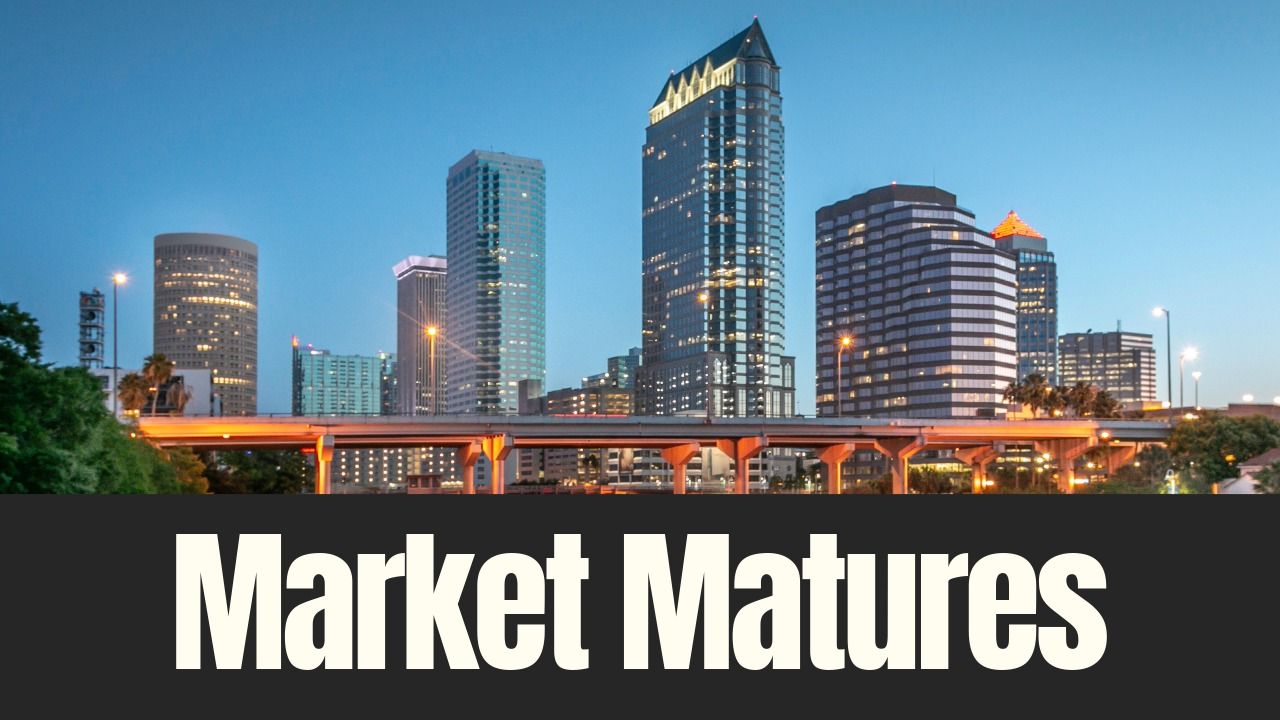
Tampa isn’t cooling off—it’s getting smarter. After years of rapid expansion, the city’s commercial real estate market has shifted into a more disciplined, selective phase. Population growth remains strong, office leasing is outperforming national trends, industrial activity is normalizing sustainably, and retail is seeing renewed investor confidence. With capital becoming more cautious and health care real estate emerging as a major growth sector, Tampa is entering a new era focused on strategy, execution, and long‑term fundamentals.