“`html

The YIMBY Push for Multifamily Housing Faces Stiff Resistance

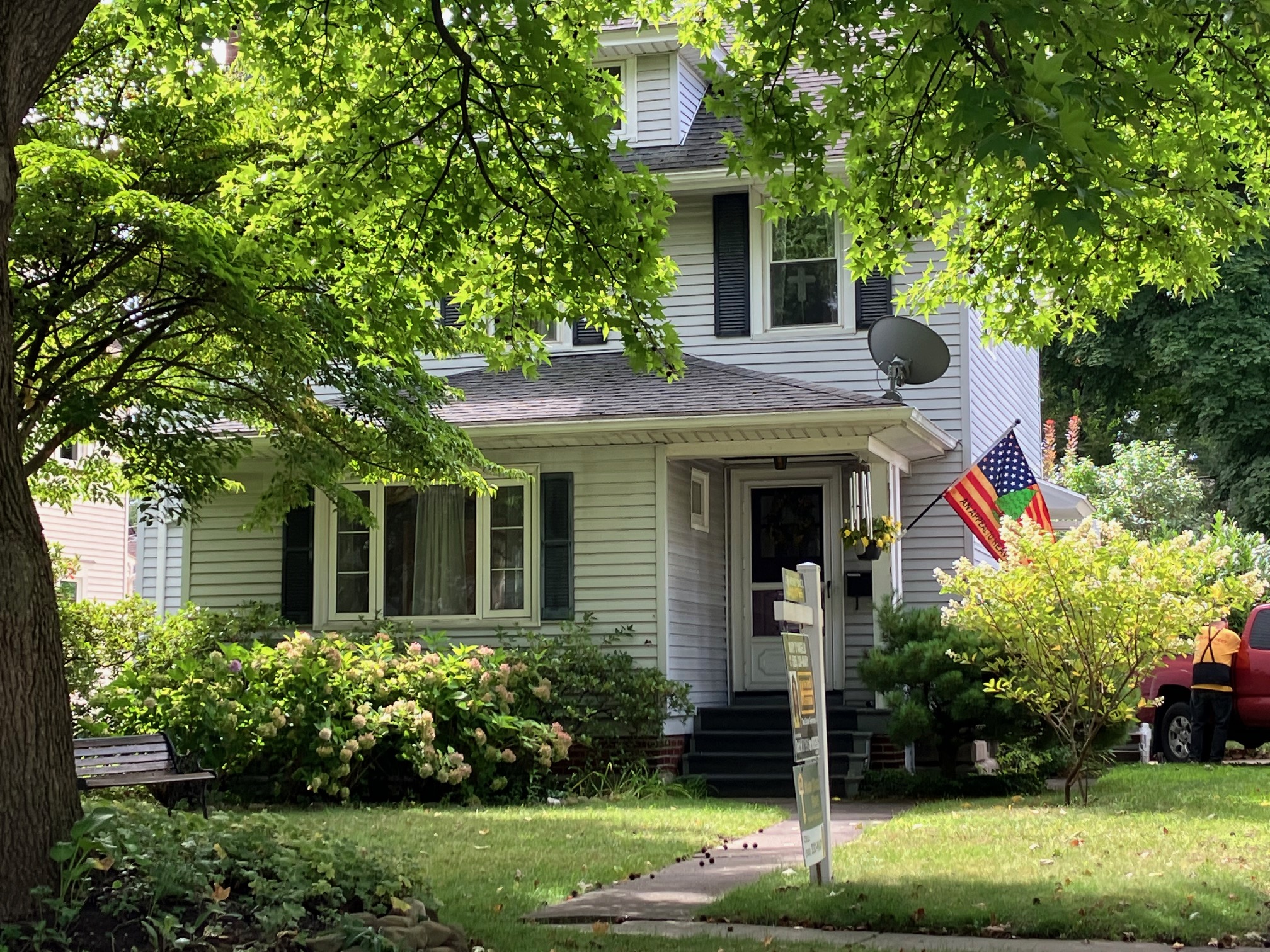
In recent years, cities like Minneapolis and states such as Oregon have embarked on ambitious zoning reforms aimed at dismantling the long-standing exclusivity of single-family-home zoning. These efforts, heralded by proponents as a gateway to more inclusive and affordable housing, have been met with significant opposition, stalling the anticipated “yes-in-my-backyard” (YIMBY) revolution.

Despite the initial optimism, the movement has encountered formidable roadblocks. Homeowners across the nation have voiced concerns about potential spikes in traffic, strains on infrastructure, and changes to neighborhood character. In response, multifamily zoning advocates argue that these changes are necessary for broader societal benefits, including addressing the growing crisis of housing affordability and homelessness.

Legal Challenges and Public Sentiment

Legal battles have become a common theme in this zoning reform saga. In a recent decision, the Montana Supreme Court ruled in favor of state laws that encourage multifamily housing, despite objections from homeowners. This ruling highlights the tension between state-level reforms and local homeowner interests, exemplified by the case in Montana where a group named Montanans Against Irresponsible Densification (MAID) challenged the laws as unconstitutional.

Glenn Monahan, a Bozeman resident and managing partner of MAID, expressed his concerns about the impact of increased density on property values and neighborhood aesthetics. “I dread the possibility of waking up one morning and finding that one of my neighbors has sold her property to a developer,” Monahan stated in an affidavit.

Historical Context and Current Trends

The roots of single-family zoning in the United States are intertwined with racial segregation, as evidenced by the establishment of exclusive residential zones in places like Berkeley, California, back in 1916. Today, approximately 75% of residential land in the U.S. is zoned exclusively for single-family homes, often in wealthier and whiter neighborhoods. This historical context has fueled ongoing debates about the role of zoning in perpetuating inequality.

Minneapolis was the first major U.S. city to abolish single-family-only zoning citywide in 2019, allowing up to three dwelling units on any residential lot. Similarly, Oregon passed legislation permitting duplexes and other multifamily structures in certain areas. However, the implementation of these reforms is a slow process, with experts like Stephen Menendian from UC Berkeley noting that it can take up to a decade to see tangible effects.

Community Conversations and Future Prospects

Diana Drogaris, outreach coordinator for the National Zoning Atlas, emphasizes the importance of clear communication between city leaders and residents. She believes that while zoning changes will impact communities, leaders are improving their engagement strategies to address public concerns.

As cities like Austin, Alexandria, and Berkeley continue to explore upzoning proposals, legal challenges remain a significant hurdle. In Berkeley, the city council’s efforts to end exclusionary zoning are part of a broader initiative to address the city’s racist legacy. However, as former councilmember Lori Droste notes, zoning reform is a long-term endeavor that requires patience and persistence.

“Zoning reform is going to take time. It’s probably going to take 20 years before anyone notices real changes,” Droste remarked, underscoring the need for continued efforts to address the housing crisis.

“`

More Articles

Getting licensed or staying ahead in your career can be a journey—but it doesn’t have to be overwhelming. Grab your favorite coffee or tea, take a moment to relax, and browse through our articles. Whether you’re just starting out or renewing your expertise, we’ve got tips, insights, and advice to keep you moving forward. Here’s to your success—one sip and one step at a time!

Mortgage Rates Drop for the Holidays, but Homebuyers Aren’t Budging

The average 30-year mortgage rate slipped to 6.18% just before Christmas, offering a small break from last year’s higher levels. Yet despite the improvement, mortgage applications for purchases and refinances have fallen to a three‑month low as buyers remain cautious. With mixed rate movements, fluctuating Treasury yields, and affordability challenges still weighing on first‑time buyers, the market is showing signs of stability but not momentum. Real estate professionals who stay informed on these shifting conditions will be best positioned to guide clients in 2026.

Premium U.S. CRE Soars as Smaller Markets Slide: A New Two‑Tier Reality Takes Hold

New CoStar data shows a widening split in the U.S. commercial real estate market, with high-value office towers, industrial hubs and major retail assets posting steady gains while smaller properties in secondary markets continue to lose ground. Premium assets logged their sixth straight monthly price increase in November, boosted by falling interest rates and limited new construction, while lower‑tier properties saw continued price declines and weakening demand.

Microsoft’s New Licensing Overhaul Hits Healthcare Budgets: What Leaders Must Prepare For Now

Microsoft has eliminated long‑standing volume discounts on cloud services like Microsoft 365, Power BI, Intune and Defender, meaning healthcare organizations will soon pay the same price per seat whether they purchase 100 or 10,000 licenses. With the change taking effect at renewal, hospitals and health systems must begin auditing unused licenses, right‑sizing staff tiers, and re‑evaluating digital workflows to avoid major cost spikes. CDW is stepping in with advisory support, cost‑optimization tools, and flexible CSP options to help organizations navigate the transition before budgets tighten further.

Where America Is Building the Most Homes in 2026 — And Why It Matters to Your Career

America is still short nearly 2.8 million homes, and in 2026 the states driving the bulk of new construction are once again Florida and Texas. With the South producing more than half of all new building permits nationwide, these regions are shaping the future of inventory, affordability, and opportunity. For real estate, mortgage, insurance, and finance professionals, the surge in Southern homebuilding—especially in Florida—signals expanding career potential as new inventory enters the market and demand for licensed experts continues to rise.

Irondequoit Tops the List as America’s Most Competitive Housing Market

A new Redfin report crowns Irondequoit, New York as the nation’s most competitive housing market, with homes selling in just 8.5 days and often above asking. Priced at a median of $249,132, the lakeside suburb is drawing buyers seeking affordability and speed. The surprising lineup of competing markets—from Bay Area tech hubs to Rust Belt metros—highlights a shifting post‑pandemic housing landscape where affordability pressures and regional disparities continue to shape buyer behavior.

Alaska Tightens TPA Licensing Rules Ahead of 2026: Key Changes Professionals Must Prepare For

Alaska has overhauled its Third Party Administrator licensing rules, eliminating major long‑standing exemptions and pulling many previously exempt organizations into full licensing requirements starting January 1, 2026. Under Senate Bill 132 and Bulletin B 25‑09, TPAs must now review their operations, prepare documentation, and monitor upcoming state guidance as Alaska moves toward stricter oversight and stronger consumer protection.