In the rapidly evolving world of digital marketing, real estate professionals are finding themselves at a pivotal juncture. The article Navigate Marketing in Today’s Digital Landscape from the National Association of REALTORS® highlights how maintaining a robust online presence is more crucial than ever.

Real estate is fundamentally about building relationships and increasing influence within communities. Debbie Pontikas, an associate broker with Retsy in Scottsdale, Arizona, emphasizes the importance of utilizing all forms of communication, particularly in the digital space. This sentiment is echoed by Ashley Fultz of DMF Realty, who notes that social media allows real estate professionals to reach broader audiences and build trust through authentic engagement.

The Social Landscape

Platforms like Instagram, TikTok, and Facebook are at the forefront of this digital transformation. Fultz, who has amassed over 64,000 followers on Instagram, uses the platform to share insights into her personal and professional life, creating a relatable and trustworthy image. Her approach includes sharing content such as home inspections you should never skip and providing video tours of listings.

TikTok, with its younger demographic, offers a unique opportunity to engage with emerging markets. Barb Betts, broker-owner of The REcollective, advises that consistency and engaging content are key to success on this platform.

Despite a shift towards newer platforms, Facebook remains relevant, particularly for reaching older, affluent audiences. Pontikas suggests leveraging tools that allow for cross-platform posting to maximize reach.

LinkedIn

LinkedIn serves as a professional networking platform, offering real estate agents a way to connect with peers and build credibility through shared connections and testimonials.

Subscriber Content

In addition to social media, subscriber communications such as newsletters, podcasts, and texts provide a direct line to a curated audience. Dawn Houlf of Exit Realty Number One uses newsletters to target different market segments, while Emily Clancy LoPorto of Serhant highlights the higher engagement rates of emailed content compared to social media.

Realtors are encouraged to repurpose content across multiple channels to maximize its impact. This strategy not only saves time but also ensures consistent messaging across platforms.

For brokers, assisting agents in crafting effective marketing strategies is essential. Providing resources, feedback, and promotional support can help agents navigate the digital landscape successfully.

The insights shared in the article by Wendy Rose Gould offer a comprehensive guide for real estate marketers aiming to thrive in today’s digital environment. For further details, the original article can be accessed here.

More Articles

Getting licensed or staying ahead in your career can be a journey—but it doesn’t have to be overwhelming. Grab your favorite coffee or tea, take a moment to relax, and browse through our articles. Whether you’re just starting out or renewing your expertise, we’ve got tips, insights, and advice to keep you moving forward. Here’s to your success—one sip and one step at a time!

Housing Market Momentum Builds Early in 2026

The 2026 housing market is off to a powerful start, with rising buyer activity, expanding inventory, and steady pricing creating one of the most balanced environments in years. Pending home sales and mortgage applications are climbing, inventory has reached 2.6 months of supply, and new listings continue to grow—all signaling renewed confidence and fresh opportunity for real estate professionals nationwide.

Investors Prepare for a High-Confidence 2026 as Commercial Real Estate Stabilizes

A wave of optimism is returning to U.S. commercial real estate heading into 2026, with 95% of investors planning to buy the same or more property than last year. Capital allocations are rising, Sun Belt cities continue to shine, and multifamily remains the top asset class. As pricing stabilizes and debt pressures ease, professionals across real estate and finance are entering a year defined by strategic growth and renewed opportunity.

Florida Homeowners Face Rising Insurance Costs Despite Promised Relief

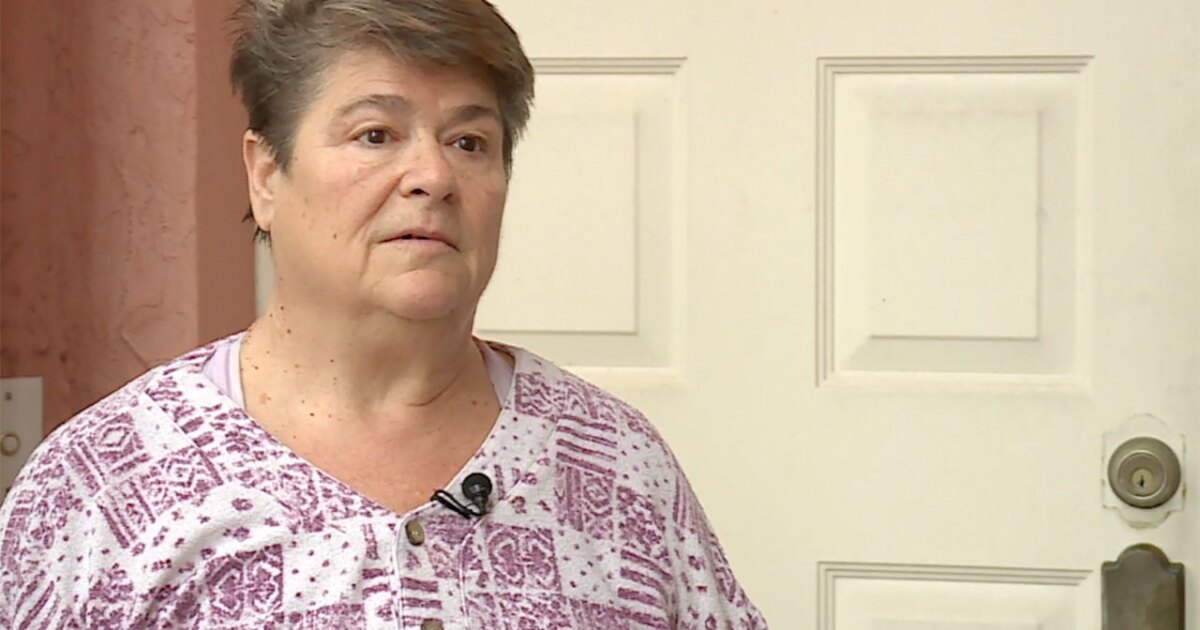
Floridians were told insurance relief was on the way, but many homeowners are seeing the opposite as premiums continue to rise. Despite state leaders insisting the market is improving and insurers filing rate decreases, homeowners like Lisa Riggi say the real‑world impact tells a different story. Higher property valuations, inflation, and updated replacement‑cost calculations are driving premiums upward, leaving some families questioning whether they can afford to remain in Florida.

Where Did Our Parents’ Florida Go? How Paradise Became Pricier, Glossier, and Almost Unrecognizable

Florida once promised retirees sunshine, low costs, and a $20,000 condo by the pool. But in 2026, soaring insurance rates, rising taxes, shrinking affordable housing, and an influx of wealthier newcomers have transformed the state into a far more expensive version of the paradise our parents knew. From corporate buyouts of mobile home parks to multimillion‑dollar estates redefining the market, today’s Florida is a place of widening gaps, disappearing middle‑range homes, and a future that demands deeper pockets—and smarter market insight.

Mortgage Rates Hold Steady in the Low 6% Range as Buyers Gain Breathing Room

Mortgage rates continue easing into the low 6% range, giving buyers and real estate professionals a welcome boost in early February 2026. Softer labor market data and slipping Treasury yields are helping keep rates stable, with 30‑year fixed loans averaging around 6.26% and refinance rates also trending lower. While affordability remains tight, today’s calmer rate environment is opening doors for more buyers—and offers agents a clearer outlook as they guide clients through a still‑shifting market.

Commercial Real Estate Investors Gear Up for a Major Buying Surge in 2026

A new CBRE survey reveals that U.S. commercial real estate investors are preparing to ramp up acquisitions in 2026, signaling renewed confidence across the sector. Dallas leads the nation for the fifth straight year as the top investment market, followed by Atlanta and San Francisco. Florida markets like Miami and Tampa continue to rise, while cities such as Charlotte, Nashville, Seattle, and New York also attract strong investor attention. With activity heating up nationwide, 2026 is shaping into a powerful year for commercial real estate professionals.