In the rapidly evolving world of digital marketing, real estate professionals are finding themselves at a pivotal juncture. The article Navigate Marketing in Today’s Digital Landscape from the National Association of REALTORS® highlights how maintaining a robust online presence is more crucial than ever.

Real estate is fundamentally about building relationships and increasing influence within communities. Debbie Pontikas, an associate broker with Retsy in Scottsdale, Arizona, emphasizes the importance of utilizing all forms of communication, particularly in the digital space. This sentiment is echoed by Ashley Fultz of DMF Realty, who notes that social media allows real estate professionals to reach broader audiences and build trust through authentic engagement.

The Social Landscape

Platforms like Instagram, TikTok, and Facebook are at the forefront of this digital transformation. Fultz, who has amassed over 64,000 followers on Instagram, uses the platform to share insights into her personal and professional life, creating a relatable and trustworthy image. Her approach includes sharing content such as home inspections you should never skip and providing video tours of listings.

TikTok, with its younger demographic, offers a unique opportunity to engage with emerging markets. Barb Betts, broker-owner of The REcollective, advises that consistency and engaging content are key to success on this platform.

Despite a shift towards newer platforms, Facebook remains relevant, particularly for reaching older, affluent audiences. Pontikas suggests leveraging tools that allow for cross-platform posting to maximize reach.

LinkedIn

LinkedIn serves as a professional networking platform, offering real estate agents a way to connect with peers and build credibility through shared connections and testimonials.

Subscriber Content

In addition to social media, subscriber communications such as newsletters, podcasts, and texts provide a direct line to a curated audience. Dawn Houlf of Exit Realty Number One uses newsletters to target different market segments, while Emily Clancy LoPorto of Serhant highlights the higher engagement rates of emailed content compared to social media.

Realtors are encouraged to repurpose content across multiple channels to maximize its impact. This strategy not only saves time but also ensures consistent messaging across platforms.

For brokers, assisting agents in crafting effective marketing strategies is essential. Providing resources, feedback, and promotional support can help agents navigate the digital landscape successfully.

The insights shared in the article by Wendy Rose Gould offer a comprehensive guide for real estate marketers aiming to thrive in today’s digital environment. For further details, the original article can be accessed here.


More Articles

Getting licensed or staying ahead in your career can be a journey—but it doesn’t have to be overwhelming. Grab your favorite coffee or tea, take a moment to relax, and browse through our articles. Whether you’re just starting out or renewing your expertise, we’ve got tips, insights, and advice to keep you moving forward. Here’s to your success—one sip and one step at a time!

Fed Survey Shows Only Two More Rate Cuts Expected, Even if Trump Appoints a New Fed Chair

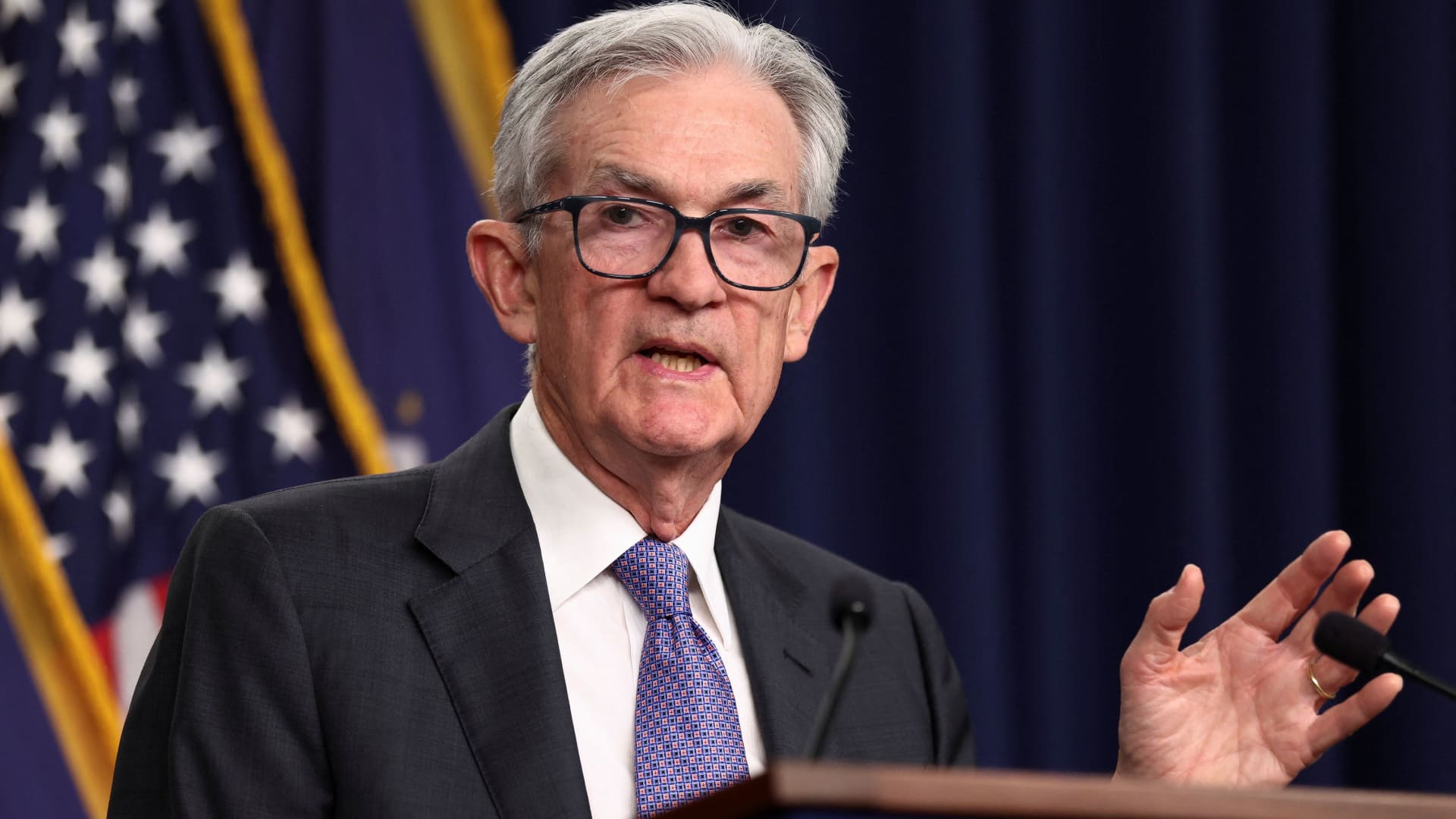
A new CNBC Fed Survey reveals that economists expect just two additional interest rate cuts in 2026 and none in 2027, even if President Donald Trump appoints a more dovish Federal Reserve chair. Strong economic growth, stable inflation, and reduced recession fears are keeping rate‑cut expectations limited, signaling a more stable long‑term environment for real estate, mortgage, and financial professionals.

15 States on the Brink: America’s Insurance Crisis Is Spreading Faster Than Anyone Expected

A nationwide insurance crisis is accelerating as climate‑driven disasters push premiums higher, force insurers out of multiple states, and reshape real estate and mortgage markets. Once limited to Florida and California, the instability now threatens 15 states where losses, extreme weather, and insurer withdrawals are creating mounting risks for homeowners and industry professionals alike.

Commercial Real Estate in 2026: Rightsizing, Cool Offices, and a Market Waiting for Clarity

Commercial real estate is entering 2026 with a cautious but strategic shift. Companies are ditching oversized offices in favor of smaller, higher‑quality spaces packed with amenities that attract today’s workforce. Downtown markets like Portland remain steady, while suburban vacancies rise and landlords get creative with incentives. Industrial real estate is cooling after years of explosive growth, and developers are hesitating—though multifamily and hotel projects continue to push forward. Overall, the theme of the year is patience, as businesses wait for clearer signals on interest rates, construction costs, and long‑term workplace trends.

The Real Reason Housing Isn’t Affordable—And Why Deregulation Won’t Save Us

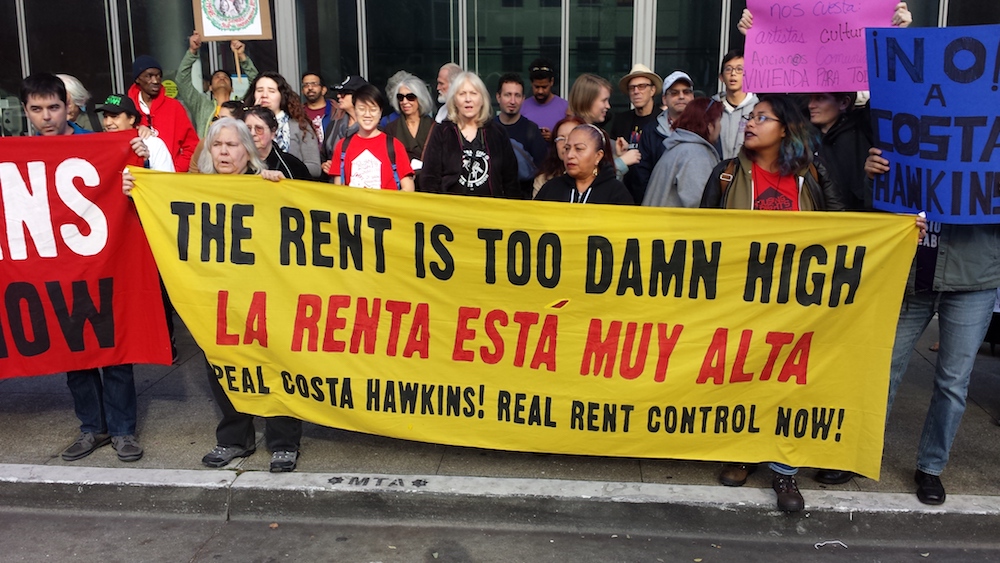
A new study from leading urban scholars reveals that zoning laws and construction slowdowns aren’t the true cause of America’s housing crisis. Even with massive building booms, rents would barely drop for decades. The real culprit? Soaring economic inequality. Until the widening wealth gap is addressed, policies like upzoning and deregulation won’t make housing affordable for working Americans—and may even push prices higher.

Cambio Raises $18M To Transform Commercial Real Estate Workflows With AI

Cambio, a fast‑growing AI proptech company, has secured an $18 million Series A at a $100 million valuation, aiming to overhaul how commercial real estate firms process documents and make investment decisions. By converting messy PDFs, spreadsheets, and audit files into investor‑ready insights in minutes, the platform is rapidly expanding—now active in 35 countries and managing data for over 2 billion square feet of assets.

Florida’s Insurance Market Enters 2026 With Rare Good News — Stability Returns for Homeowners and Real Estate Professionals

Florida’s insurance market is finally showing signs of real recovery heading into 2026. Industry leaders say recent legal reforms have sharply reduced lawsuits, allowing insurers to stabilize rates — and even introduce reductions for the first time in years. With new companies entering the state and solvency at its strongest level in more than a decade, real estate and mortgage professionals may benefit from improved buyer confidence and smoother closings as insurance becomes more predictable again.