In a significant development that has sent shockwaves across the digital landscape, TikTok, the immensely popular social media app, is now banned in the United States. This decision follows a Supreme Court ruling that upheld a law mandating TikTok to sever its ties with its China-based parent company, ByteDance, or face a ban. The ruling has led to the app being inaccessible to its 170 million American users, marking a pivotal moment in the ongoing debate over national security and data privacy.
Background and Legal Proceedings
On January 19, 2025, TikTok voluntarily shut down its services in the U.S., anticipating the enforcement of a law passed by a bipartisan majority in Congress. This law requires ByteDance to divest its ownership of TikTok or be barred from operating in the U.S. market. The Supreme Court’s decision came after TikTok’s legal challenge failed, with the court ruling that the law does not violate the First Amendment. The Biden administration has left the enforcement of this law to the incoming Trump administration, which has expressed a willingness to explore solutions to reinstate TikTok.
Read more about TikTok’s voluntary shutdown in the U.S. on CBS News.
National Security Concerns
U.S. officials have long expressed concerns over TikTok’s potential threat to national security. The crux of the issue lies in the app’s ties to China and the possibility of the Chinese government using it to collect data on American users or influence public opinion. Chinese national security laws require organizations to cooperate with intelligence activities, which has heightened fears about data privacy and security.
FBI Director Christopher Wray and other lawmakers have warned that TikTok could be used to track users’ locations, read messages, and access phone records. This has been likened to a “spy balloon” in Americans’ phones, with the potential to compromise personal and national security.
Project Texas: A Safeguard Initiative
In response to these concerns, TikTok launched “Project Texas,” an initiative aimed at safeguarding American users’ data by storing it on servers in the U.S. However, the Justice Department deemed this plan insufficient, citing the continued risk of data flowing to China. Despite these efforts, the divest-or-ban law gained bipartisan support, with some lawmakers arguing that it infringes on free speech rights.
The Supreme Court’s Decision
The Supreme Court’s ruling focused on the national security justification of countering China’s data collection from TikTok’s U.S. users. The justices unanimously agreed that Congress had a valid reason to single out TikTok for special treatment, given the potential threat posed by the app’s data practices. While the court did not support the government’s claim of covert content manipulation by China, it emphasized the importance of addressing data privacy concerns.
Learn more about the Supreme Court’s decision on NPR.
The Future of TikTok in the U.S.
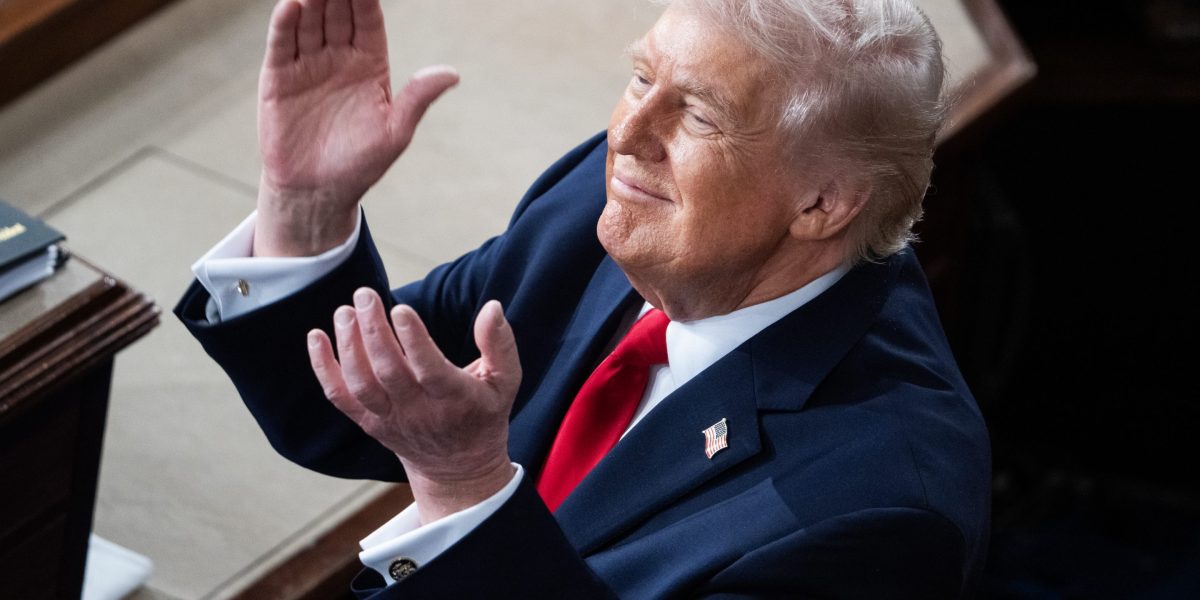
With TikTok’s future in the U.S. hanging in the balance, President-elect Donald Trump has indicated a desire to save the app. He has proposed a 90-day extension to delay the ban, allowing TikTok time to dissociate from ByteDance. This potential extension, however, would require legal and congressional action, as experts argue that Trump lacks the authority to unilaterally postpone the ban.
As the situation unfolds, TikTok’s fate will depend on negotiations and potential national security agreements, such as the previously proposed Project Texas. The app’s shutdown has left content creators and users in a state of uncertainty, as they await a resolution that balances national security concerns with the app’s widespread popularity.
Conclusion
The TikTok ban in the U.S. underscores the complex intersection of technology, national security, and international relations. As the debate continues, it is crucial for stakeholders to navigate these challenges with a focus on transparency, data privacy, and user protection. The outcome of this situation will likely set a precedent for how digital platforms are regulated and governed in the future.
For users and content creators affected by the ban, exploring alternative platforms and diversifying their online presence may provide a temporary solution. Additionally, staying informed about legal developments and potential policy changes will be essential in adapting to the evolving digital landscape.
Explore the reasons behind the TikTok ban on CBS News.