TikTok’s Ban Has Everyone Spiraling—Here’s What You Need to Know (and Why It’s Hilarious)

Ever wondered what happens when you try to take away the internet’s favorite toy? Spoiler alert: chaos. Absolute chaos.
TikTok, the app that has made overnight stars out of dancing teens and taught us all how to clean a cast-iron skillet like pros, recently got banned, and let’s just say people are not handling it well. If you scroll Twitter—or, for now, Instagram Reels—you’ll find everything from full-blown sobbing videos to apocalyptic predictions about the end of social media itself. So, let’s break this down and have a little laugh (or cry) together.

What Just Happened?

Okay, quick context for those out of the loop: TikTok, beloved by 200 million U.S. users, has officially been yeeted off the app store because, long story short, its Chinese parent company, ByteDance, wouldn’t stop sharing user data with Beijing. And when I say they wouldn’t stop, I mean this was like your mom saying, “I better not catch you sneaking cookies again,” and then finding you elbow-deep in the cookie jar 15 minutes later. The U.S. government had repeatedly warned them, and finally said, “Alright, we’re done. Say goodbye to your favorite distraction.” Now, let’s get this straight—this isn’t necessarily a “free speech” issue, even though some folks on the conservative side are spinning it that way. The government isn’t trying to shut people up; they just wish ByteDance would stop handing over our memes, dance tutorials, and search histories to another country.
But do I think banning TikTok outright is the best move? Not really. I get the whole “data security” thing is serious, but let’s be honest: Facebook and Instagram are ALSO snooping through your life like the nosiest neighbor on the block.

The Reactions: Armageddon or Comedy Gold?

Oh man, the drama. Between influencers crying about losing their “safe space” and others live blogging the “death of culture,” I am living for the TikTok ban’s content (ironically). One guy tearfully posted, comparing the ban to parents yanking him out of school mid-year and saying goodbye to all his friends. Bro, it’s an app, not a childhood dog.
  • Some people are comparing it to losing a job.
  • Others are dismissing it as just “content creators whining.”
  • Meanwhile, meme-makers are thriving over the chaos.

Is This Just Another Trend?

Now, let’s zoom out for a second—is the TikTok ban a one-time, big-time event, or is this another sign of the shift in how we think about data privacy? Remember when Donald Trump also flirted with banning TikTok, before doing a total 180 by proposing a fun little idea of the U.S. owning 50% of the app? Well, it seems like we’ve hit the sequel, but without the promise of dramatic Trumpian executive orders to #SaveTikTok. And let’s not forget this might be the start of a multi-platform domino effect. If TikTok is toast, Instagram Reels, YouTube Shorts, or bizarre TikTok lookalikes (looking at you, Lemon8) are poised to swoop in and capitalize.

What’s Next for Us, the TikTok-Orphans?

If you’re in the “I need my short-form hit of dopamine” camp, don’t panic just yet. TikTok isn’t down-for-the-count forever—or at least, that seems unlikely. Let’s give it a week, and I wouldn’t be shocked if it strikes some great big deal to “fix its issues” (translation: sell part of the company). In the meantime, creators are urging folks to follow them on other platforms. Everyone’s practically screaming, “Follow me on Instagram Reels! It’s basically the same thing, only clunkier!”

Now, It’s Your Turn!

Okay, enough about me—what about you? Are you devastated by the TikTok ban, or are you filing it under “who cares?” Have you already migrated to Instagram Reels, or downloaded some obscure app only your younger sibling knows about? Let me know your hottest takes (or TikTok alternatives) in the comments! Let’s keep the meme-y madness alive elsewhere, people.
“`

More Articles

Getting licensed or staying ahead in your career can be a journey—but it doesn’t have to be overwhelming. Grab your favorite coffee or tea, take a moment to relax, and browse through our articles. Whether you’re just starting out or renewing your expertise, we’ve got tips, insights, and advice to keep you moving forward. Here’s to your success—one sip and one step at a time!

Why Today’s High Mortgage Rates Matter More Than Ever for the Housing Market

A growing share of American homeowners now carry mortgage rates above 5%—a dramatic shift that’s reshaping refinancing, inventory, and buyer behavior nationwide. With more than 30% of borrowers locked into rates over 5% and 20% above 6%, the market is split between owners holding on to low pandemic‑era loans and new buyers taking on higher‑rate mortgages. Federal efforts to push rates down could unlock millions of refinancing opportunities, while buyers see only modest monthly savings. For real estate professionals, understanding these rate dynamics is crucial as they increasingly drive inventory levels, affordability, and market activity.

CRE Deal Volume Dips in December, but Office Sector Stages an Unexpected Comeback

New Moody’s data shows commercial real estate deal volume slipped 20% in December, marking a second monthly decline. Yet the full year tells a different story: 2025 ended with a 17% gain, signaling a quiet but resilient recovery. The biggest surprise came from the office sector, which posted a 21% jump in activity as return‑to‑office trends and AI‑driven job growth boosted demand. Multifamily, retail, and alternative assets like data centers also saw strong momentum, giving real estate professionals a market full of fresh opportunities heading into 2026.

Florida Kicks Off 2026 With Major Auto Insurance Rate Cuts and Market Stability

Florida drivers and industry professionals are heading into 2026 with good news: auto insurance rates are dropping across the state as the market shows strong signs of stabilization. USAA leads the latest wave with a 7% average rate decrease expected in May 2026, saving members more than $125 million annually. They join several major insurers — including State Farm, Progressive, AAA, Allstate, and Florida Farm Bureau — all approving significant reductions. Officials credit recent legislative reforms, especially tort reform, for the improved loss ratios and renewed insurer confidence. With both auto and home insurance markets strengthening, Florida’s real estate, mortgage, and insurance professionals can expect more consumer confidence, smoother transactions, and expanding career opportunities.

The 2024 Housing Shortage: Why America Is Still 1.2 Million Homes Behind

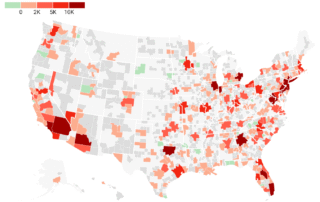
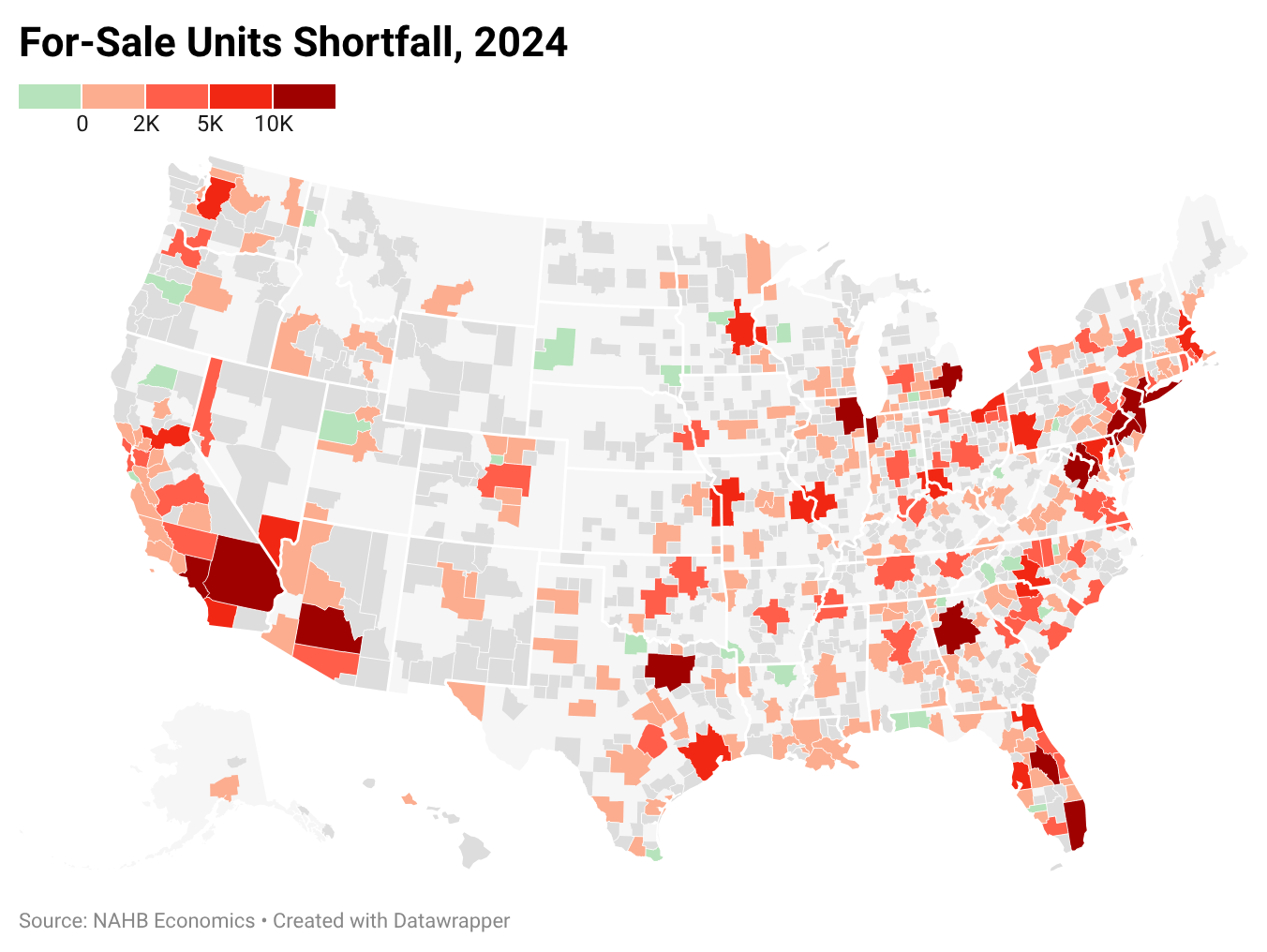
New data from Eye On Housing and the NAHB shows the U.S. remains short more than 1.2 million housing units, keeping pressure on both rents and home prices. Record‑low vacancy rates, slow single‑family construction, and restrictive zoning continue to fuel intense competition in 2024. Major metros like Chicago, New York, and Atlanta face some of the deepest deficits, and the true nationwide shortfall may be even higher when accounting for overcrowding and aging homes. For real estate professionals, the ongoing shortage means sustained demand, tighter inventory, and major opportunities for those who understand the evolving market.

AI Isn’t the Shiny Object Anymore — It’s the New System Driving Real Estate Success

Top real estate coach Jason Pantana says the divide between agents today isn’t about who has “tried” AI — it’s about who is immersed in it. In a new HousingWire interview, he explains why AI isn’t a gimmick but a full business system that amplifies output, improves authenticity, and reshapes how clients search for agents. From prompt mastery to AI‑driven visibility on Google, Pantana reveals how agents who commit even 15 minutes a day to learning AI are already outperforming those who hesitate.

DFW Commercial Real Estate 2025: Industrial Surges, Retail Shines, Office Struggles

Dallas–Fort Worth’s commercial real estate market closed 2025 with a split personality. Industrial dominated with massive new deliveries and soaring leasing demand, retail held steady with some of the market’s strongest fundamentals in years, and office continued to falter under remote‑work pressures. High vacancies, weak absorption, and rising demand for top‑tier space show the sector’s ongoing reset. Meanwhile, industrial and retail strength position the Metroplex for another powerhouse year heading into 2026.