TikTok’s Ban Has Everyone Spiraling—Here’s What You Need to Know (and Why It’s Hilarious)

Ever wondered what happens when you try to take away the internet’s favorite toy? Spoiler alert: chaos. Absolute chaos.
TikTok, the app that has made overnight stars out of dancing teens and taught us all how to clean a cast-iron skillet like pros, recently got banned, and let’s just say people are not handling it well. If you scroll Twitter—or, for now, Instagram Reels—you’ll find everything from full-blown sobbing videos to apocalyptic predictions about the end of social media itself. So, let’s break this down and have a little laugh (or cry) together.

What Just Happened?

Okay, quick context for those out of the loop: TikTok, beloved by 200 million U.S. users, has officially been yeeted off the app store because, long story short, its Chinese parent company, ByteDance, wouldn’t stop sharing user data with Beijing. And when I say they wouldn’t stop, I mean this was like your mom saying, “I better not catch you sneaking cookies again,” and then finding you elbow-deep in the cookie jar 15 minutes later. The U.S. government had repeatedly warned them, and finally said, “Alright, we’re done. Say goodbye to your favorite distraction.” Now, let’s get this straight—this isn’t necessarily a “free speech” issue, even though some folks on the conservative side are spinning it that way. The government isn’t trying to shut people up; they just wish ByteDance would stop handing over our memes, dance tutorials, and search histories to another country.
But do I think banning TikTok outright is the best move? Not really. I get the whole “data security” thing is serious, but let’s be honest: Facebook and Instagram are ALSO snooping through your life like the nosiest neighbor on the block.

The Reactions: Armageddon or Comedy Gold?

Oh man, the drama. Between influencers crying about losing their “safe space” and others live blogging the “death of culture,” I am living for the TikTok ban’s content (ironically). One guy tearfully posted, comparing the ban to parents yanking him out of school mid-year and saying goodbye to all his friends. Bro, it’s an app, not a childhood dog.
  • Some people are comparing it to losing a job.
  • Others are dismissing it as just “content creators whining.”
  • Meanwhile, meme-makers are thriving over the chaos.

Is This Just Another Trend?

Now, let’s zoom out for a second—is the TikTok ban a one-time, big-time event, or is this another sign of the shift in how we think about data privacy? Remember when Donald Trump also flirted with banning TikTok, before doing a total 180 by proposing a fun little idea of the U.S. owning 50% of the app? Well, it seems like we’ve hit the sequel, but without the promise of dramatic Trumpian executive orders to #SaveTikTok. And let’s not forget this might be the start of a multi-platform domino effect. If TikTok is toast, Instagram Reels, YouTube Shorts, or bizarre TikTok lookalikes (looking at you, Lemon8) are poised to swoop in and capitalize.

What’s Next for Us, the TikTok-Orphans?

If you’re in the “I need my short-form hit of dopamine” camp, don’t panic just yet. TikTok isn’t down-for-the-count forever—or at least, that seems unlikely. Let’s give it a week, and I wouldn’t be shocked if it strikes some great big deal to “fix its issues” (translation: sell part of the company). In the meantime, creators are urging folks to follow them on other platforms. Everyone’s practically screaming, “Follow me on Instagram Reels! It’s basically the same thing, only clunkier!”

Now, It’s Your Turn!

Okay, enough about me—what about you? Are you devastated by the TikTok ban, or are you filing it under “who cares?” Have you already migrated to Instagram Reels, or downloaded some obscure app only your younger sibling knows about? Let me know your hottest takes (or TikTok alternatives) in the comments! Let’s keep the meme-y madness alive elsewhere, people.
“`

More Articles

Getting licensed or staying ahead in your career can be a journey—but it doesn’t have to be overwhelming. Grab your favorite coffee or tea, take a moment to relax, and browse through our articles. Whether you’re just starting out or renewing your expertise, we’ve got tips, insights, and advice to keep you moving forward. Here’s to your success—one sip and one step at a time!

The Great Housing Reset: What Redfin Predicts for 2026

Redfin forecasts a slow but meaningful return to normalcy in the U.S. housing market starting in 2026. Instead of a crash or a rapid correction, the year marks the beginning of a “Great Housing Reset” where affordability gradually improves, mortgage rates ease into the low‑6% range, home sales tick upward, and renters, buyers, and professionals finally feel less market pressure. From wage growth outpacing home prices to rising refi activity and the rise of AI‑powered real estate tools, 2026 is shaping up to be a foundational year for real estate careers and long‑term market stability.

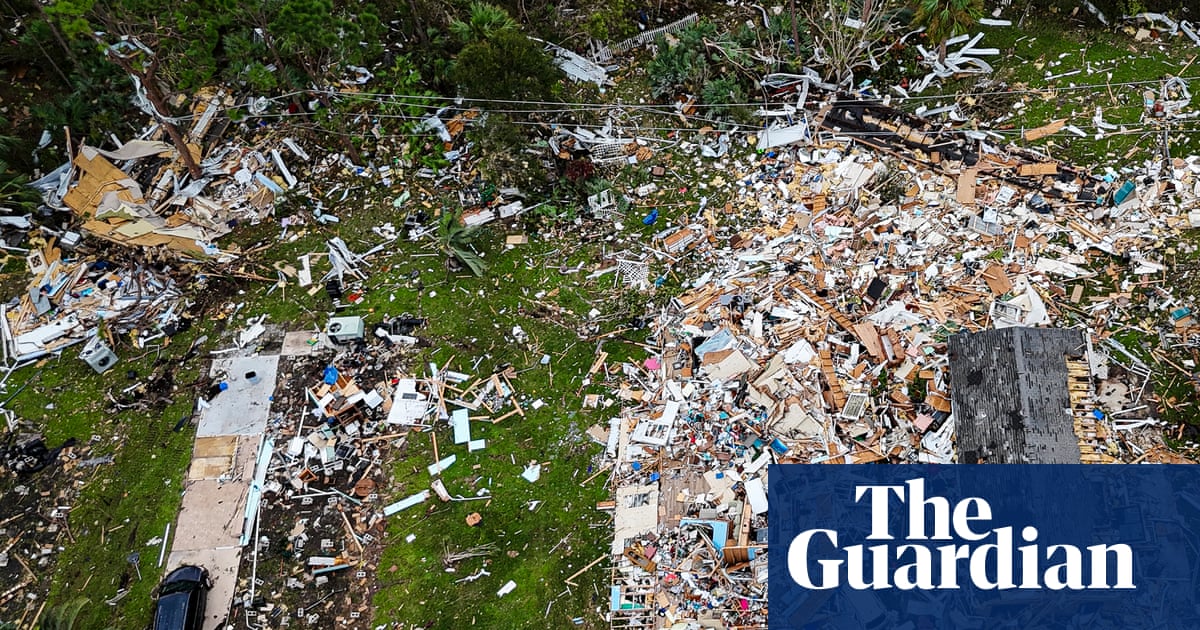
Climate Disasters Are Outpacing Insurance Uptake as the Global Protection Gap Nears Crisis Levels

Hurricane Melissa’s destruction in Jamaica highlights a growing global reality: climate risks are accelerating faster than insurance adoption. With more than 90% of disaster losses in developing regions going uninsured and a worldwide protection gap exceeding $1.8 trillion annually, experts warn that traditional insurance systems can no longer keep up. New models—like parametric payouts, community‑based aggregation and bundled climate tools—are emerging, but governments and corporations must step in to prevent financial shocks from destabilizing entire economies.

AI-Powered Excavators? Gravis Robotics Secures $23M to Tackle Construction’s Growing Labor Crisis

Gravis Robotics, a Zurich-based startup, just raised $23 million to bring autonomous tech to construction sites facing a massive operator shortage. As demand surges for renewable energy projects, data centers, and new housing, Gravis retrofits traditional heavy machinery with AI-driven systems that can work autonomously or via remote guidance. With trials already underway across seven countries, the company is pushing a future where humans and robots collaborate — speeding up development timelines and reshaping industries from construction to real estate.

Zillow Drops Climate Risk Scores—What It Means for Agents, Buyers, and the Future of Real Estate

Zillow has quietly removed its climate‑risk scores after months of pressure from agents, homeowners, and listing services who said the warnings were scaring off buyers. The move has sparked a national debate: Is this a win for real estate sales or a setback for consumer transparency? Critics warn that without clear climate‑risk data, families could be “flying blind” into costly surprises like insurance spikes and flood damage. As climate impacts intensify and disclosure expectations rise, real estate professionals must stay informed—because whether Zillow shows the data or not, the risks aren’t going anywhere.

Florida’s Property Insurance Battle Heats Up as 2026 Approaches

Florida’s property insurance crisis is becoming the defining issue heading into the 2026 election season. Republicans argue that recent reforms are finally stabilizing the market, pointing to reduced litigation and cooling reinsurance costs. Democrats counter that families are still facing unbearable premiums, with condo prices dropping over 8% and Floridians paying some of the highest insurance rates in the nation. As lawmakers prepare to return to Tallahassee, the future of insurance reform is set to become the central political fight—one that will directly impact homeowners, investors, and real estate professionals across the state.

The Invisible Backbone Transforming Modern Real Estate

Connectivity has become one of the most powerful differentiators in today’s real estate market. As smart buildings, automation, and sustainability demands accelerate, fiber networks are replacing outdated copper systems and reshaping property value. With lower energy use, unified smart‑building capabilities, reduced long‑term costs, and stronger tenant satisfaction, digital infrastructure is now central to investment strategy. Real estate professionals who understand this shift gain a competitive edge as the industry moves toward cleaner, smarter, more connected buildings.