Title Insurance in 2026: What Cortes and Hay Wants Every Buyer and Investor To Know
If you are stepping into the 2026 real estate market, you already know things feel different. Markets are shifting fast, policies are evolving, and both homebuyers and investors are searching for ways to protect themselves. Cortes and Hay, a veteran New Jersey title insurance agency with more than 50 years in the industry, has released a breakdown of the twelve most important things consumers should know this year.
This information, originally published via Herald Tribune, offers a sharp and timely snapshot of what matters most in a complex real estate climate. Below is a clean, friendly walkthrough of their insights and why they matter to anyone preparing for a closing, investing in property, or building a real estate career.
1. Real Estate Trends Make Title Insurance More Important Than Ever
The 2026 housing landscape is full of unknowns. With national and local markets shifting month to month, having a clear title and proper insurance has become a pillar of safe real estate investing. Cortes and Hay emphasizes starting every transaction with a comprehensive title search so buyers and sellers know exactly what they are stepping into.
2. Investors Especially Need Title Protection
Investment deals tend to be larger and more complex. A strong title company helps investors verify ownership, avoid hidden problems, and make informed decisions before placing their money on the line.
3. Expect Title Insurance Rules To Evolve
Regulations in real estate and insurance will continue shifting through 2026. Working with professionals who actively track legal changes helps keep transactions smooth, compliant, and predictable.
4. Know the Difference Between a Deed and a Title
A title is proof of legal ownership and is examined during the title search.
A deed is the official document that transfers ownership from one party to another.
5. A Strong Title Company Collaborates With Your Agent
Good communication among title professionals, agents, and lenders keeps a transaction on track. Cortes and Hay stresses teamwork as one of the hidden elements behind a successful closing.
6. There Are Many Types of Title Insurance
Residential, commercial, leasehold, and enhanced policies all serve different purposes. Buyers should work with knowledgeable professionals to choose the best fit for their situation.
7. 1031 Exchange Services Are a Major Advantage
For investors, the 1031 Exchange can preserve capital gains and open the door to larger long-term opportunities. Cortes and Hay highlights the value of choosing an experienced facilitator for this high-stakes process.
8. ALTA Best Practices Keep Consumers Safe
The American Land Title Association provides standards that title agencies follow to ensure transparency, security, and professional consistency. Working with an ALTA-compliant company protects buyers and sellers from unnecessary risks.
9. A Thorough Title Search Is an Essential Step
From liens to ownership gaps to recording errors, hidden issues can derail even the cleanest deal. A professional search helps uncover these problems early.
10. Undisclosed Liens Can Derail a Transaction
Unexpected liabilities often cause delays or legal disputes during closing. This is exactly why detailed research before finalizing a deal is so important.
11. Commercial Transactions Require Extra Protection
Because commercial deals involve larger budgets and more complexity, title insurance plays an even bigger role. It protects investors from future claims and clarifies ownership histories.
12. Work Only With Trusted, Experienced Professionals
With more than 50 years in the industry, Cortes and Hay emphasizes the power of service, reliability, and transparency. For New Jersey buyers, investors, and agents, they aim to simplify every stage of the transaction.
Why This Matters for Future Real Estate Professionals
If you are pursuing your real estate license or expanding your industry knowledge, understanding title insurance is not optional. It is one of the most common causes of transaction delays and one of the least understood areas for new agents.
Cameron Academy students consistently find that mastering title issues helps them stand out in competitive markets. It strengthens conversations with clients, lenders, and title companies, making you a more confident and capable professional.
About Cortes and Hay
Cortes and Hay provides residential, commercial, and industrial title insurance services across New Jersey. They also specialize in 1031 exchanges, settlement services, and complex closings. You can explore more on their official site: cortesandhay.com.
To read the original coverage, visit the Herald Tribune publication here: Original Source Article.
More Articles
Getting licensed or staying ahead in your career can be a journey—but it doesn’t have to be overwhelming. Grab your favorite coffee or tea, take a moment to relax, and browse through our articles. Whether you’re just starting out or renewing your expertise, we’ve got tips, insights, and advice to keep you moving forward. Here’s to your success—one sip and one step at a time!
Skyrocketing insurance premiums and soaring rebuilding costs are transforming communities across Southwest Florida, especially in the wake of Hurricane Ian. As longtime residents struggle to keep up with rising financial pressure, wealthier newcomers and stricter building standards are reshaping the identity of places like Fort Myers Beach. With insurance rates now driving home sales, triggering potential foreclosures, and squeezing both owners and renters, Florida’s middle-class families face a growing question: can they afford to stay in the state they love?
Florida’s insurance industry is stabilizing fast, with nearly 1.6 million policies shifting from Citizens to private insurers and litigation dropping sharply. Regulators report stronger market confidence, decreasing premiums, and renewed competition—signaling one of the healthiest periods the state has seen in years.
A Leon County judge has ordered the restart of arbitration for Citizens Property Insurance claims, directly conflicting with a previous ruling that halted the process as potentially unconstitutional. With more than 400 cases now back in motion, real estate, insurance, and mortgage professionals can expect renewed activity in claim disputes and fresh uncertainty as Florida courts clash over the legality of Citizens’ arbitration system.
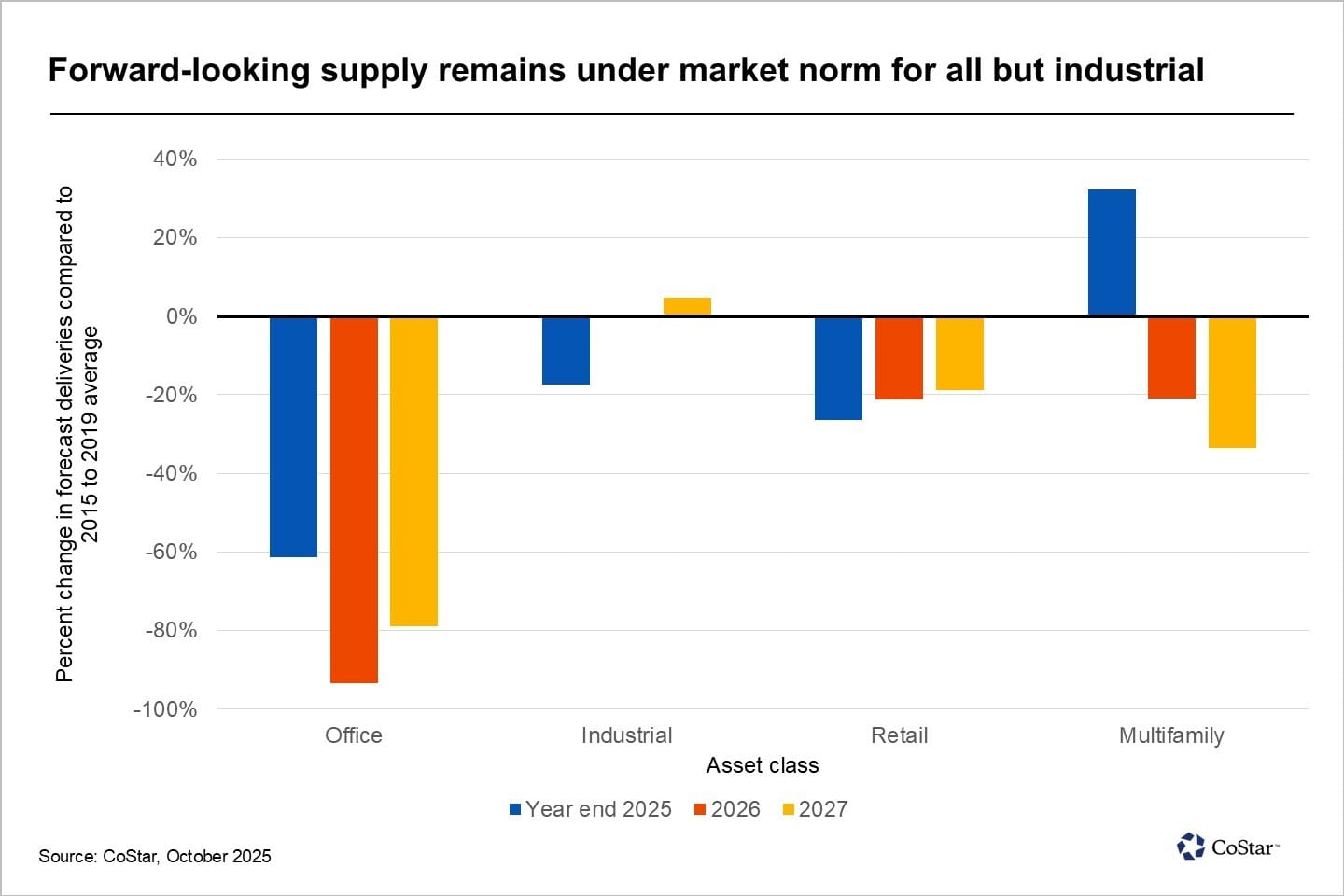
The DFW market is transitioning into a new construction phase marked by a slowdown in office development, a more selective approach to industrial projects, and an evolving housing landscape shaped by affordability and population growth. Developers are recalibrating their priorities, and for real estate professionals, understanding these shifts offers a critical edge in navigating—and capitalizing on—the next phase of the metroplex’s growth.
A new federal lawsuit claims Zillow pushed homebuyers toward Zillow Home Loans by rewarding affiliated agents with valuable leads — all without proper disclosure. The suit alleges undisclosed incentives, referral quotas, and potential RESPA violations, raising major concerns about steering, fiduciary duties, and Zillow’s expanding mortgage ambitions.
The mortgage industry is evolving fast, and the lenders who come out on top will be those who innovate without uprooting what already works. By building on strong technology foundations, streamlining workflows and adopting smart automation, lenders can reduce costs, improve customer experience and stay resilient in any market cycle. This article breaks down why innovation matters now, how a stable tech ecosystem protects lenders in volatile conditions and why small, strategic steps can drive long-term transformation.