Title Insurance Leaders Lean Into Tech, Efficiency, and Resilience for 2026
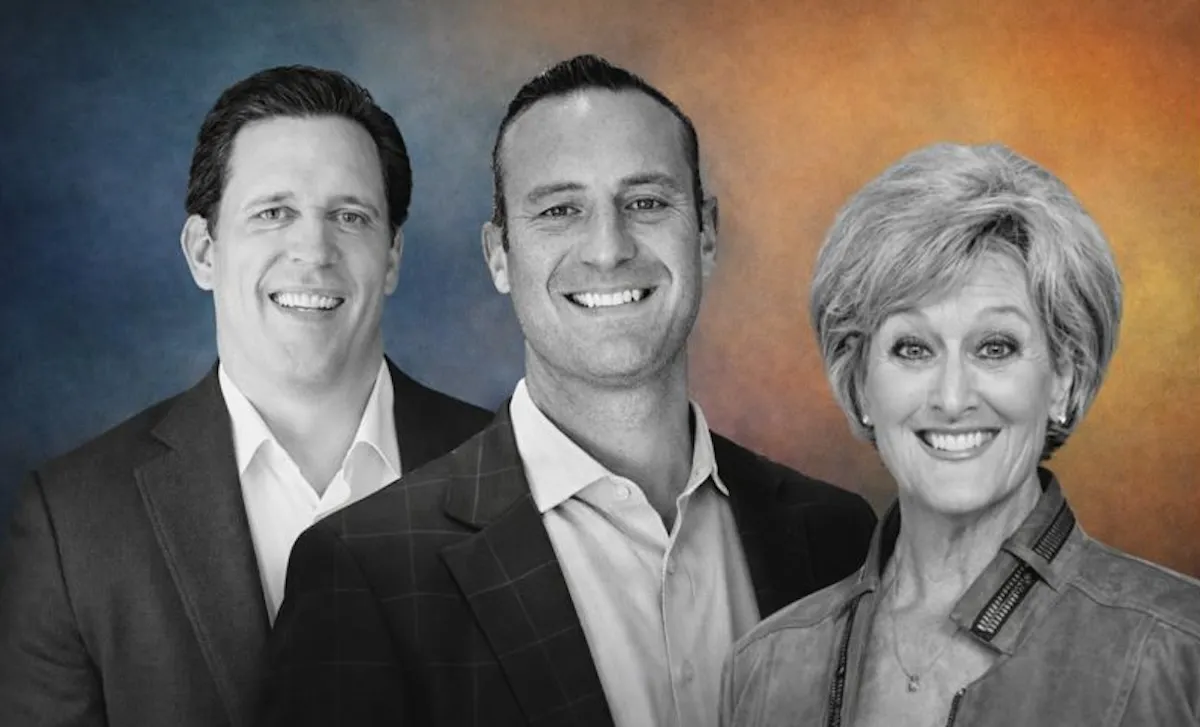
As the title insurance industry heads into 2026, leaders across the sector are bracing for a complex blend of market pressures, regulatory shifts, and escalating fraud threats. But according to a powerful deep dive from HousingWire, many of the industry’s largest players are pushing forward with smarter technology, tighter operational efficiency, and expanded agent support.
A Market in Recovery Mode
Ryan Swed, group president of direct operations at Stewart Title, explained that the prolonged downturn forced companies to rethink workflows, staffing models, and the tech powering their operations. With AI and automation evolving rapidly, leaders now view technology as the centerpiece of the coming recovery.
Swed emphasized the challenge: “How do you not overstaff when the recovery comes? It always comes at some point.”
Iain Bryant, Stewart’s group president of agency operations, added that agents are more carefully evaluating their underwriting partners—expected during one of the most difficult markets in nearly four decades.
Signs of Strength in 2025 Performance
Despite headwinds, falling mortgage rates helped drive stronger Q3 2025 performance for major title insurers including First American, Stewart, Fidelity, Old Republic, and Investors Title Co.
According to the American Land Title Association, premium volume reached into the billions through the first half of 2025—signaling a slow but steady industry rebound as affordability improves.
Technology and Fraud Prevention Take Center Stage
Technology consolidation is shrinking the pool of available production systems, forcing the remaining platforms to innovate or fall behind. Bryant notes that this shift is fundamentally reshaping operational expectations.
Wire fraud remains one of the industry’s greatest threats, driving rapid adoption of identity verification, wire validation, and AI-powered anomaly detection tools.
First American president Sally Tyler highlighted major automation gains—particularly in quality control, data ingestion, standardized reviews, and exception-based processing. These innovations reduce manual workloads and accelerate closing timelines.
New Regulatory Pressures Ahead
FinCEN’s expanded Geographic Targeting Orders mark one of the most sweeping anti‑money‑laundering mandates ever applied to the industry—impacting offices of all sizes across the nation.
Potential adjustments to GSE policies—including acceptance of attorney opinion letters in place of traditional title insurance—remain controversial. Tyler stressed that even small changes from Fannie Mae or Freddie Mac could introduce serious risk to property owners.
What 2026 Looks Like
Stewart and First American are investing heavily in agent support through enhanced education, AI‑powered underwriting guidance, and more robust auditing capabilities. Tools like Stewart’s virtual underwriter and First American’s AgentNet Assist aim to reduce delays and give agents immediate access to reliable data.
Tyler describes First American’s approach as “simplify and amplify”—streamlining processes while elevating agent knowledge through clearer data and smarter workflows.
What It Means for Professionals
For professionals in real estate, mortgage, finance, and title, 2026 will be defined by efficiency, automation, and compliance awareness. Those who understand these shifts will be best positioned to lead the next era of growth.
Education and adaptability are now more important than ever. Cameron Academy continues to support professionals nationwide with licensing, continuing education, and skill‑building programs—helping future leaders thrive in a rapidly evolving industry.
This article is based on reporting from HousingWire. Explore their full coverage for deeper industry insights.
More Articles
Getting licensed or staying ahead in your career can be a journey—but it doesn’t have to be overwhelming. Grab your favorite coffee or tea, take a moment to relax, and browse through our articles. Whether you’re just starting out or renewing your expertise, we’ve got tips, insights, and advice to keep you moving forward. Here’s to your success—one sip and one step at a time!
Flood insurance premiums across Florida are climbing fast, with more than 80% of NFIP policyholders seeing annual increases under FEMA’s Risk Rating 2.0. Some counties now face hikes exceeding $3,500 per year, adding pressure in a state where homeowners insurance already averages nearly $11,000 annually. As risk-based pricing takes hold and climate impacts intensify, Florida homeowners — and the real estate pros who advise them — must prepare for continued premium growth and major county‑to‑county disparities.
As insurers step into 2026, the property and casualty market shows its first signs of real stability after several turbulent years. Q4 results reveal disciplined underwriting, cooling rate hikes, and steady premium growth across major carriers. Commercial lines show selective momentum, personal lines begin to level out, and AI-driven efficiency becomes the industry’s new engine for profitability. With catastrophe losses moderating and tech adoption accelerating, professionals across insurance, real estate, and finance can expect a pivotal year—and an ideal moment to sharpen their skills through continuing education.
A new CBRE survey shows that most U.S. commercial real estate investors expect to increase their property purchases in 2026, signaling renewed confidence and market stabilization. Dallas remains the nation’s top target for the fifth straight year, followed by high‑growth metros like Atlanta, San Francisco, Miami, Charlotte, Raleigh‑Durham, Nashville, Tampa, Seattle, and New York City. These cities continue to draw strong investor interest due to population growth, business expansion, and robust development activity.
Florida Insurance Commissioner Michael Yaworsky says the state's turbulent property insurance market is finally calming, with Florida posting the lowest rate increases in the nation last year. Yet rising home replacement costs mean many homeowners won’t see relief in their premiums just yet. With Citizens Insurance shrinking, new legislative priorities emerging, and long‑term reforms taking hold, Florida’s real estate and insurance professionals are entering 2026 with cautious optimism and a clearer picture of what’s ahead.
A new CBRE survey shows investor optimism surging as 95% plan to buy more or the same amount of commercial real estate in 2026, with over half increasing their capital allocation. Stabilizing values, improving fundamentals, and expected relief in debt costs are driving renewed confidence, putting markets like Dallas, Atlanta, and Tampa in the spotlight as multifamily and industrial assets lead demand.
Artificial intelligence has moved from industry buzzword to essential mortgage‑lending tool, reshaping how loan officers work, communicate and compete. From smarter lead targeting to rapid content creation and CRM‑powered automation, AI is now the dividing line between lenders who scale efficiently and those stuck in manual workflows. This article breaks down why AI adoption is no longer optional, how top lenders are using it and what mortgage professionals must do now to stay competitive.