Title Insurance Leaders Lean Into Tech, Efficiency, and Resilience for 2026
As the title insurance industry heads into 2026, leaders across the sector are bracing for a complex blend of market pressures, regulatory shifts, and escalating fraud threats. But according to a powerful deep dive from HousingWire, many of the industry’s largest players are pushing forward with smarter technology, tighter operational efficiency, and expanded agent support.
A Market in Recovery Mode
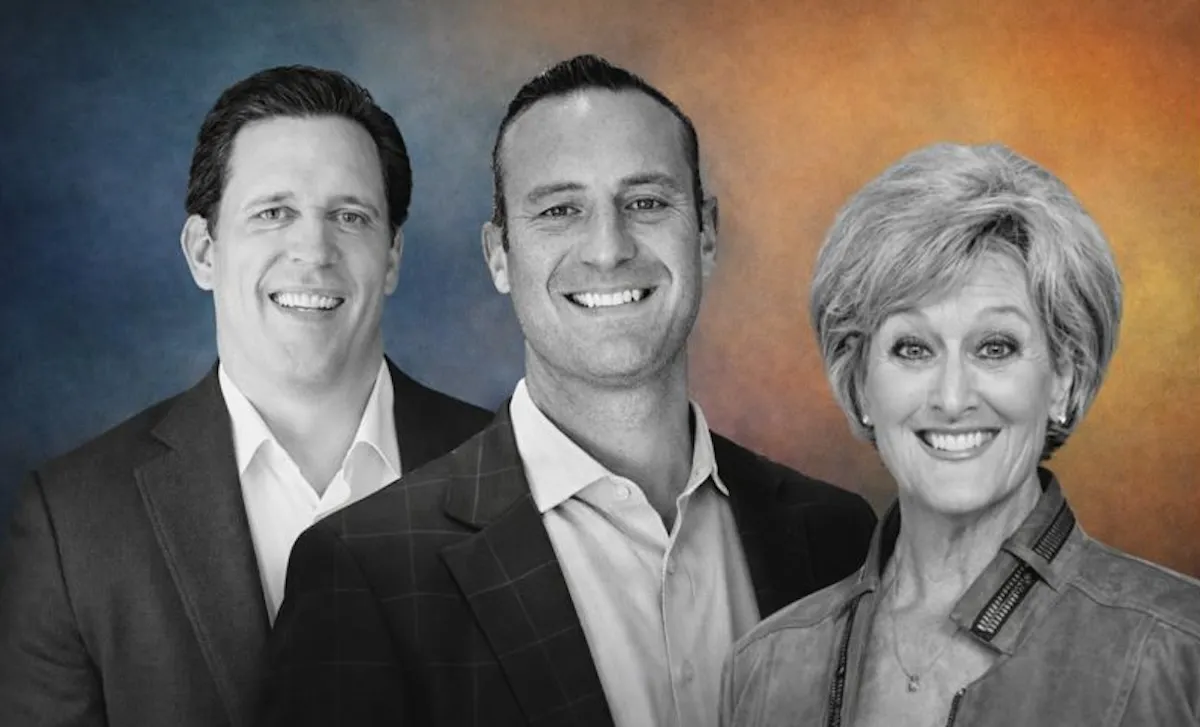
Ryan Swed, group president of direct operations at Stewart Title, explained that the prolonged downturn forced companies to rethink workflows, staffing models, and the tech powering their operations. With AI and automation evolving rapidly, leaders now view technology as the centerpiece of the coming recovery.
Swed emphasized the challenge: “How do you not overstaff when the recovery comes? It always comes at some point.”
Iain Bryant, Stewart’s group president of agency operations, added that agents are more carefully evaluating their underwriting partners—expected during one of the most difficult markets in nearly four decades.
Signs of Strength in 2025 Performance
Despite headwinds, falling mortgage rates helped drive stronger Q3 2025 performance for major title insurers including First American, Stewart, Fidelity, Old Republic, and Investors Title Co.
According to the American Land Title Association, premium volume reached into the billions through the first half of 2025—signaling a slow but steady industry rebound as affordability improves.
Technology and Fraud Prevention Take Center Stage
Technology consolidation is shrinking the pool of available production systems, forcing the remaining platforms to innovate or fall behind. Bryant notes that this shift is fundamentally reshaping operational expectations.
Wire fraud remains one of the industry’s greatest threats, driving rapid adoption of identity verification, wire validation, and AI-powered anomaly detection tools.
First American president Sally Tyler highlighted major automation gains—particularly in quality control, data ingestion, standardized reviews, and exception-based processing. These innovations reduce manual workloads and accelerate closing timelines.
New Regulatory Pressures Ahead
FinCEN’s expanded Geographic Targeting Orders mark one of the most sweeping anti‑money‑laundering mandates ever applied to the industry—impacting offices of all sizes across the nation.
Potential adjustments to GSE policies—including acceptance of attorney opinion letters in place of traditional title insurance—remain controversial. Tyler stressed that even small changes from Fannie Mae or Freddie Mac could introduce serious risk to property owners.
What 2026 Looks Like
Stewart and First American are investing heavily in agent support through enhanced education, AI‑powered underwriting guidance, and more robust auditing capabilities. Tools like Stewart’s virtual underwriter and First American’s AgentNet Assist aim to reduce delays and give agents immediate access to reliable data.
Tyler describes First American’s approach as “simplify and amplify”—streamlining processes while elevating agent knowledge through clearer data and smarter workflows.
What It Means for Professionals
For professionals in real estate, mortgage, finance, and title, 2026 will be defined by efficiency, automation, and compliance awareness. Those who understand these shifts will be best positioned to lead the next era of growth.
Education and adaptability are now more important than ever. Cameron Academy continues to support professionals nationwide with licensing, continuing education, and skill‑building programs—helping future leaders thrive in a rapidly evolving industry.
This article is based on reporting from HousingWire. Explore their full coverage for deeper industry insights.
More Articles
Getting licensed or staying ahead in your career can be a journey—but it doesn’t have to be overwhelming. Grab your favorite coffee or tea, take a moment to relax, and browse through our articles. Whether you’re just starting out or renewing your expertise, we’ve got tips, insights, and advice to keep you moving forward. Here’s to your success—one sip and one step at a time!
Commercial real estate is entering a decade of major transformation driven by interest rate pressures, evolving work culture, rapid proptech innovation, and growing demand for AI-focused infrastructure. While the global CRE market is projected to reach $133.5 trillion by 2028, rising rates, shifting office demand, and increasing sustainability requirements are reshaping how professionals invest, manage, and develop properties. By 2030, the biggest opportunities will center on mixed‑use conversions, data center growth, premium office spaces, and ESG‑driven upgrades.
The National Association of Realtors’ landmark antitrust settlement is transforming how real estate agents negotiate compensation, work with buyers, and handle transparency in transactions. With MLS‑posted buyer‑broker commissions eliminated and written buyer agreements now required, both consumers and professionals are navigating a new, more transparent landscape. While commission levels have only dipped slightly, the real shift is in how openly compensation is discussed and negotiated—creating new challenges and opportunities for agents who adapt quickly.
Artificial intelligence is no longer a novelty in real estate — 2025 marks its breakthrough year as a dependable pillar of the proptech industry. With investors pouring capital into AI‑powered forecasting, security, automation, and property management tools, the sector is shifting from experimentation to full‑scale adoption. Brokerages, developers, and institutional players now rely on AI to streamline due diligence, enhance market modeling, reduce risk, and optimize building operations. As adoption accelerates, professionals who understand and leverage these technologies are gaining a decisive competitive edge in fast‑moving markets like Florida.
A new episode of Current Account breaks down why the insurance industry is heading into 2026 with more uncertainty — and more opportunity — than ever. From shifting global regulations and rising catastrophe risks to FSOC’s evolving role in the U.S., industry leaders Jérôme Haegeli and Philippe Brahin explain how insurers are being pushed to rethink strategy in real time. With global premium growth expected to slow and regulatory pressures rising, professionals in insurance and financial services are turning to education and new skills to stay ahead in a rapidly changing market.
New Jersey is quietly becoming one of the hottest commercial real estate markets in the nation, with Jersey City and North Jersey breaking into the top 10 in PwC’s 2026 Emerging Trends report. Fueled by redevelopment momentum, data‑center demand, mixed‑use transformations and a surge in health‑care projects, the state is drawing major investors while still battling rising construction costs and municipal fatigue. For real estate professionals, the Garden State’s evolution signals fresh opportunity—and a market worth watching closely heading into 2026.
The National Council of Insurance Legislators is pushing back against President Trump’s new executive order on artificial intelligence, arguing that it threatens decades of state‑based insurance oversight. NCOIL leaders say federal attempts to centralize AI authority could disrupt markets, weaken consumer protections, and limit states’ ability to innovate—setting the stage for a significant legal and political battle with major implications for insurance professionals who rely on AI‑driven tools and regulatory clarity.