Title Insurance Leaders Lean Into Tech, Efficiency, and Resilience for 2026
As the title insurance industry heads into 2026, leaders across the sector are bracing for a complex blend of market pressures, regulatory shifts, and escalating fraud threats. But according to a powerful deep dive from HousingWire, many of the industry’s largest players are pushing forward with smarter technology, tighter operational efficiency, and expanded agent support.
A Market in Recovery Mode
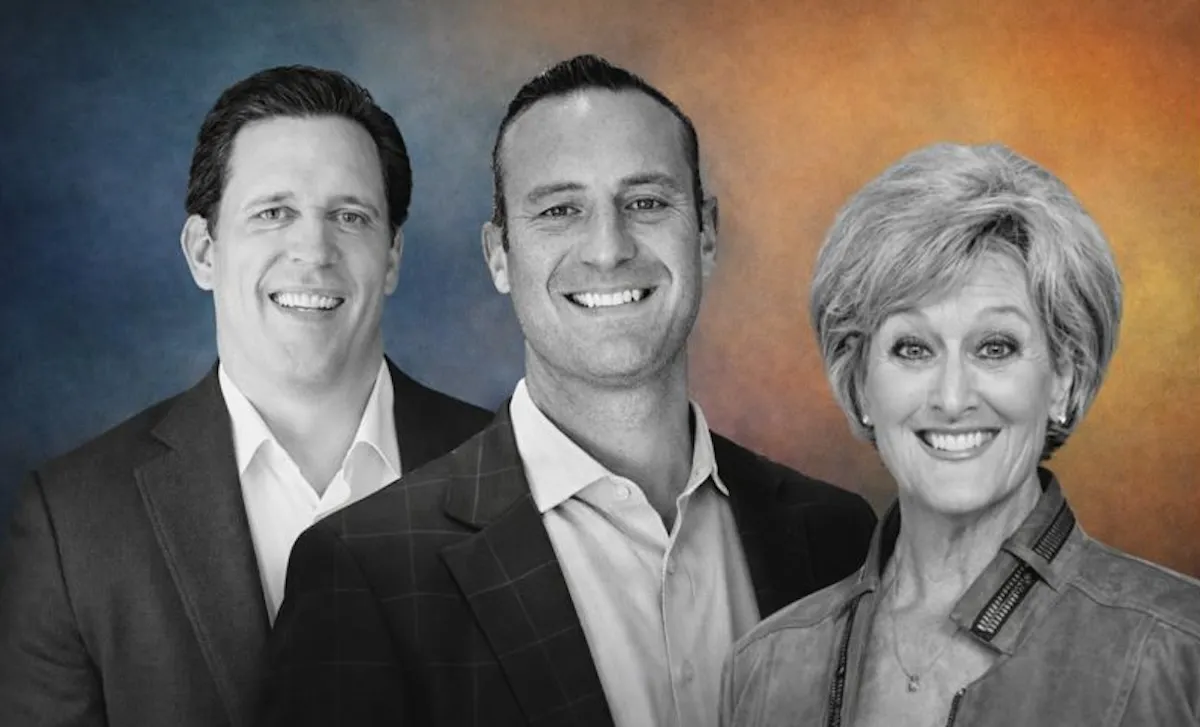
Ryan Swed, group president of direct operations at Stewart Title, explained that the prolonged downturn forced companies to rethink workflows, staffing models, and the tech powering their operations. With AI and automation evolving rapidly, leaders now view technology as the centerpiece of the coming recovery.
Swed emphasized the challenge: “How do you not overstaff when the recovery comes? It always comes at some point.”
Iain Bryant, Stewart’s group president of agency operations, added that agents are more carefully evaluating their underwriting partners—expected during one of the most difficult markets in nearly four decades.
Signs of Strength in 2025 Performance
Despite headwinds, falling mortgage rates helped drive stronger Q3 2025 performance for major title insurers including First American, Stewart, Fidelity, Old Republic, and Investors Title Co.
According to the American Land Title Association, premium volume reached into the billions through the first half of 2025—signaling a slow but steady industry rebound as affordability improves.
Technology and Fraud Prevention Take Center Stage
Technology consolidation is shrinking the pool of available production systems, forcing the remaining platforms to innovate or fall behind. Bryant notes that this shift is fundamentally reshaping operational expectations.
Wire fraud remains one of the industry’s greatest threats, driving rapid adoption of identity verification, wire validation, and AI-powered anomaly detection tools.
First American president Sally Tyler highlighted major automation gains—particularly in quality control, data ingestion, standardized reviews, and exception-based processing. These innovations reduce manual workloads and accelerate closing timelines.
New Regulatory Pressures Ahead
FinCEN’s expanded Geographic Targeting Orders mark one of the most sweeping anti‑money‑laundering mandates ever applied to the industry—impacting offices of all sizes across the nation.
Potential adjustments to GSE policies—including acceptance of attorney opinion letters in place of traditional title insurance—remain controversial. Tyler stressed that even small changes from Fannie Mae or Freddie Mac could introduce serious risk to property owners.
What 2026 Looks Like
Stewart and First American are investing heavily in agent support through enhanced education, AI‑powered underwriting guidance, and more robust auditing capabilities. Tools like Stewart’s virtual underwriter and First American’s AgentNet Assist aim to reduce delays and give agents immediate access to reliable data.
Tyler describes First American’s approach as “simplify and amplify”—streamlining processes while elevating agent knowledge through clearer data and smarter workflows.
What It Means for Professionals
For professionals in real estate, mortgage, finance, and title, 2026 will be defined by efficiency, automation, and compliance awareness. Those who understand these shifts will be best positioned to lead the next era of growth.
Education and adaptability are now more important than ever. Cameron Academy continues to support professionals nationwide with licensing, continuing education, and skill‑building programs—helping future leaders thrive in a rapidly evolving industry.
This article is based on reporting from HousingWire. Explore their full coverage for deeper industry insights.
Select options
This product has multiple variants. The options may be chosen on the product page
Details
More Articles
Getting licensed or staying ahead in your career can be a journey—but it doesn’t have to be overwhelming. Grab your favorite coffee or tea, take a moment to relax, and browse through our articles. Whether you’re just starting out or renewing your expertise, we’ve got tips, insights, and advice to keep you moving forward. Here’s to your success—one sip and one step at a time!
While most people chase AI stocks or compete for high‑pressure tech jobs, the real opportunity may be unfolding in AI boomtown real estate. As companies like OpenAI, Anthropic, Microsoft, and NVIDIA mint new waves of wealthy workers, demand for housing in key cities is exploding. From San Francisco to Austin, AI‑driven markets are seeing rising rents, limited inventory, and buyers preparing for massive IPO windfalls. For real estate professionals—or anyone entering the field—this surge represents one of the strongest long‑term opportunities in the industry.
Florida is ending its 1 percent emergency insurance surcharge two years ahead of schedule, saving homeowners an estimated 650 million dollars through 2028. Thanks to a calm hurricane season, fewer insurer failures, and reduced lawsuits, officials say the state’s property insurance market is now in its strongest financial position in a decade. The change offers relief for homeowners and new momentum for Florida’s real estate industry, where lower insurance costs can boost buyer confidence and support smoother transactions.
A growing political push to block institutional investors from buying single-family homes may sound like a pro-homeowner policy, but the data shows it could do the opposite. Younger and racially diverse renters rely heavily on single-family rentals as an affordable, stable alternative to buying—yet restricting investor participation would shrink this supply, pushing many families into overcrowded housing, motels, or homelessness. The real issue isn’t who buys the homes, but that America doesn’t have enough of them.
Zillow’s 2026 Agent Trends Survey reveals a major shift in what agents value most: technology that reduces mental drain. Nearly half of agents now use AI tools daily, yet most still juggle multiple platforms that sap their focus. Zillow’s upcoming unified platform, Zillow Pro, aims to streamline workflows and cut cognitive load. The survey also highlights key industry trends, including buyer financial literacy gaps, the importance of relationships for lead generation and the growing need for tech fluency among both new and seasoned real estate professionals.
Florida’s housing market is still surging, with luxury enclaves like Lake Buena Vista, Jupiter Island, and Golden Beach seeing massive six‑figure price jumps in just one year. Smaller towns such as Old Town, Cross City, and Hosford also posted steady gains, proving demand is rising statewide. For real estate professionals, these trends highlight where buyers are moving, where inventory is tight, and where future opportunities lie—making market literacy an essential advantage for anyone pursuing or expanding a career in Florida real estate.
Rhode Island is launching its sixth major housing reform package, aiming to boost affordability through zoning updates, lot splits, code changes, and the revival of single room occupancy and co‑living housing. With the state still recovering from years of underbuilding and soaring home prices, lawmakers hope these reforms will unlock new supply, ease pressure on renters and buyers, and create fresh opportunities for real estate professionals.