Tokenization: Reshaping Financial Landscapes

The advent of blockchain technology and decentralized finance (DeFi) is revolutionizing how we perceive and interact with financial markets. Central to this transformation is the concept of tokenization, a process that converts assets into digital tokens on a blockchain, enhancing security, accessibility, and liquidity.

Tokenization is breaking down traditional barriers by fractionalizing assets, allowing investors with modest incomes to access markets like real estate and art. This democratization is particularly transformative for sectors historically dominated by high entry requirements. By 2030, real estate is expected to become the largest type of tokenized asset, signaling a significant shift in investment landscapes.

Understanding Tokenization

Tokenization involves transforming ownership of tangible and intangible assets into digital tokens, each representing a stake in the asset’s value or returns. These tokens are stored on a blockchain, ensuring data integrity and security through its decentralized nature. This technological foundation prevents unauthorized alterations and fraud, providing a robust system for verifying and tracking ownership.

The real advantage lies in fractionalizing assets, opening investment opportunities to a broader audience. This approach democratizes investment, particularly in markets like real estate and fine art, traditionally dominated by high entry barriers.

Impact on Real Estate and Art


Real estate, characterized by high capital requirements and transactional complexity, is undergoing a transformation through tokenization. It utilizes DeFi to make property investment more accessible and liquid. Investors can now invest in real estate with considerably lower initial capital through fractional shares, broadening the pool of potential investors and enhancing market liquidity.

Similarly, the art market is experiencing a revolution. Investors can purchase fractional shares in art, a market historically requiring significant upfront capital and insider knowledge. Tokenization lowers financial barriers, increasing liquidity and dynamism.

This type of asset is more liquid because it can be bought and sold on digital platforms without physical paperwork or face-to-face meetings. This liquidity allows investors to convert their investments into cash much faster than traditional real estate or art sales.

Addressing Challenges

While the potential is revolutionary, tokenization faces hurdles, including regulatory uncertainties, technological integration difficulties, investor skepticism, and scalability issues. The industry should explore regulatory technology (RegTech) to enhance compliance and adapt to changing legal frameworks efficiently.

Advancements in blockchain infrastructure, such as Layer-2 solutions, are crucial for scaling tokenization to meet enterprise demands. Educating potential investors and building robust business cases are also pivotal in overcoming skepticism and demonstrating the tangible benefits and security measures associated with tokenized assets.

The Future of Financial Ecosystems


The integration of DeFi frameworks and tokenization is reshaping financial markets, creating a more inclusive environment. As these technologies mature, they promise to redefine economic interactions and enhance the efficacy of financial systems, marking a shift towards a more equitable financial future.

Disclaimer: The views expressed in this article are those of the author and do not necessarily reflect the opinions of CCN, its management, or its employees. This content is intended for informational purposes and should not be construed as professional advice.


More Articles

Getting licensed or staying ahead in your career can be a journey—but it doesn’t have to be overwhelming. Grab your favorite coffee or tea, take a moment to relax, and browse through our articles. Whether you’re just starting out or renewing your expertise, we’ve got tips, insights, and advice to keep you moving forward. Here’s to your success—one sip and one step at a time!

The Rise of Fintech: How Technology Is Reshaping Money and Modern Careers

Fintech has evolved from simple digital banking tools into a global force transforming how we pay, borrow, invest, and manage financial data. With AI, blockchain, and open banking leading the way, fintech is opening new opportunities for consumers, businesses, and professionals across real estate, mortgage, insurance, and finance.

Large CRE Deals Surge in Q3 2025 as Market Confidence Returns

After months of hesitation, the commercial real estate market showed a major resurgence in Q3 2025. Large single‑asset transactions over $10 million jumped to $76 billion — the strongest level since 2022 — signaling renewed liquidity and growing confidence among institutional buyers. While overall volumes remain below peak highs, rising deal counts, stabilizing prices, and increased activity across industrial, multifamily, office, and retail sectors point toward a market steadily moving back toward normalization.

California’s Insurance Crisis: Politics, Wildfires, and a System on the Brink

California’s property insurance market didn’t collapse overnight—it unraveled over years of political delays, soaring wildfire losses, and mounting pressure on insurers and reinsurers. As major carriers pulled out and rate approvals stalled, millions of homeowners were left scrambling for coverage under an overwhelmed FAIR Plan. At the center of the controversy stands Insurance Commissioner Ricardo Lara, whose decisions, industry ties, and behind‑the‑scenes negotiations have drawn sharp criticism. The result is a destabilized market affecting homeowners, real estate professionals, lenders, and entire communities—and the question of whether current reforms can truly fix what’s broken.

Large U.S. CRE Deals Roar Back in Q3 2025, Signaling Investor Confidence

After a slow start to the year, commercial real estate showed a major resurgence in Q3 2025 as large single‑asset deals over $10 million surged past $76 billion in volume. With 1,826 major trades and the strongest growth rate in more than a decade, investor confidence appears to be returning across U.S. markets. While overall volumes still trail the record highs of 2021–2022, the renewed momentum in big‑ticket transactions points to improving liquidity, clearer pricing, and a potentially pivotal turning point for brokers, investors, and industry professionals.

California’s Insurance Meltdown: The Crisis Reshaping Real Estate, Finance, and Insurance Nationwide

California’s property insurance market has unraveled into one of the most expensive and consequential crises in U.S. history. Major carriers pulled back, wildfire risks soared, regulators stalled, and the state’s FAIR Plan exploded in size — leaving hundreds of thousands of homeowners without affordable coverage. Now, with victims underinsured, premiums surging, and a billion‑dollar bailout looming, the fallout is spilling beyond California. For real estate, mortgage, finance, and insurance professionals across the country, this is a warning of what happens when rising climate risks collide with outdated regulatory systems.

Florida’s Next Mega-Development: Winchester Ranch Set to Add Nearly 9,000 Homes in Sarasota County

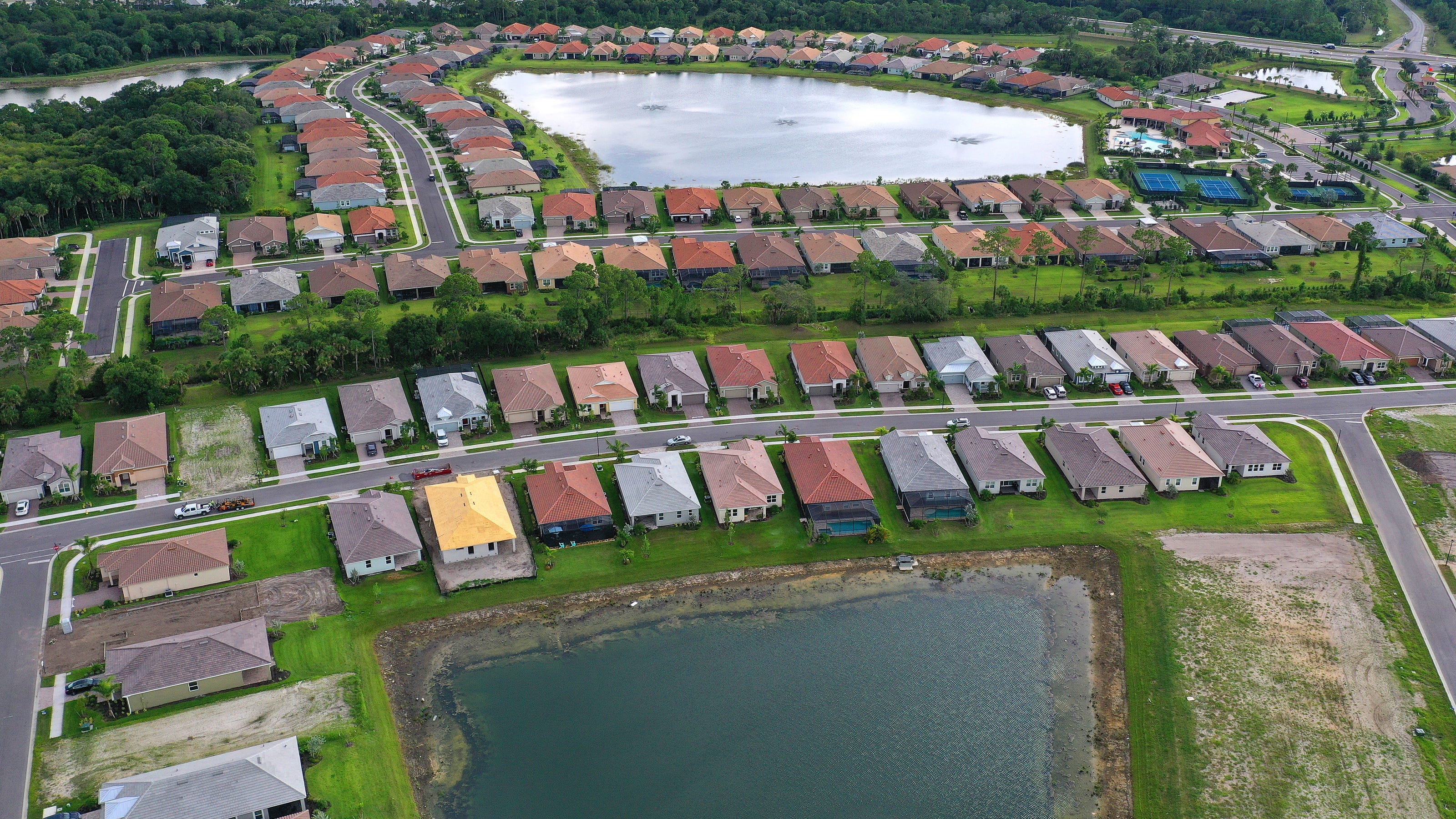
Sarasota County is on the brink of one of its largest modern expansions as the Winchester Ranch project moves closer to approval. Spanning more than 3,100 acres near North Port, the planned mega-development could bring up to 8,999 homes plus major commercial and industrial space. With construction projected to begin in 2027–2028, the community has sparked both excitement over new housing opportunities and concerns about environmental impact, placing it at the center of Florida’s ongoing growth debate.