In a reappearance at the Toledo City Council, a proposal for a zoning change on Executive Parkway is leading towards possible approval. Initially discussed at the city’s February 25 meeting, the council opted to revisit the matter in its zoning and planning committee, which reconvened this past Wednesday. The land in question, located at 0 Executive Parkway, is split-zoned, tagged for office commercial and regional commercial use.

Jon Roumaya, who leads Key Hotel and Property Management, is pressing to convert the space entirely to regional commercial zoning. His aim is to develop a drive-through restaurant akin to a Culver’s outlet on one side of the property, with specifics on the chain yet to be confirmed.

There were differing stances from city departments on this zoning change: the city’s planning staff initially disapproved, citing that regional commercial zoning contradicts the existing zoning milieu devoted to office spaces, residential complexes, and hotels. Despite this, the city’s plan commission loaned its backing, enabling the matter to advance to the zoning and planning committee for an inaugural review. Discussions at a prior February 20 meeting exposed some councilmen’s traffic-induced wariness concerning the potential development, yet abstaining from endorsing or rejecting the proposal collectively.

Tom Gibbons, the Plan Director, earlier vocalized hesitance to adopt regional commercial zoning, wary it might redirect the land’s use into inappropriate channels for its current neighborhood ethos of office buildings and hotels. However, in recent discourse with the applicant, measures were brokered for conservation easements or landscaped buffers between the site of the proposed development and adjacent fast-food establishments, softening previous concerns by providing so-called “protective measures.”

Councilman Sam Melden, overseeing this district, remarked on the divisive feedback—the notion receiving both acclaim and disapproval from his constituents. Both Melden and Gibbons agreed on constraining future regional commercial development, declaring that the Executive Parkway proposal is a borderline case meeting neighborhood standards.

Melden urged the city council to approve the zoning change with one stipulation: organize community meetings to garner input from local residents. Interestingly, the recent committee assembly registered no attendees willing to vocalize their position pro or contra the project, neither did Mr. Roumaya or the project’s developer attend for commentary.

Also in review, the zoning and planning committee considered amending the Toledo Municipal Code concerning the establishment of certain business types close to residential zones. It proposed car washes be barred from setting up within 100 feet of such zones. Meanwhile, previous studies led to suggestions of maintaining current operational guidelines for storage units, thus forgoing any amendments.

Both car wash and storage unit projects fell under a moratorium initiated by the council the previous July and concluded this January, a pause allowing for investigative insights into these business developments. Melden acknowledged this investigative pause proved enlightening, equipping council members with enhanced perspectives for future decision-making.

These legislative matters are poised for a decisive vote by the full Toledo City Council on March 25.

For more details, you can refer to the original article from the Toledo Blade.

More Articles

Getting licensed or staying ahead in your career can be a journey—but it doesn’t have to be overwhelming. Grab your favorite coffee or tea, take a moment to relax, and browse through our articles. Whether you’re just starting out or renewing your expertise, we’ve got tips, insights, and advice to keep you moving forward. Here’s to your success—one sip and one step at a time!

Artificial Intelligence in Diagnostics: A Revolution in Healthcare

The global market for artificial intelligence in diagnostics is poised for remarkable growth, with projections estimating it to reach USD 7.3 billion by 2032.

By |December 10, 2024|Categories: Article, Artificial Intelligence, Healthcare|Tags: , |0 Comments

Revolutionizing Medical Education with Extended Reality

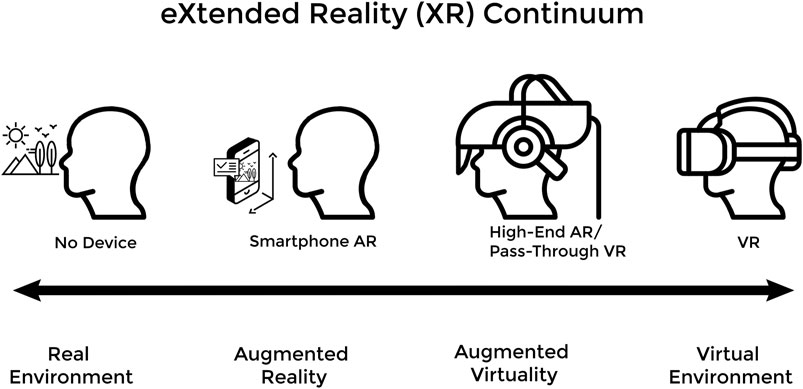
In the ever-evolving landscape of medical education, a new player has emerged, promising to revolutionize the way future doctors are trained. The integration of eXtended Reality (XR) technologies is reshaping the educational landscape by addressing the limitations of traditional methods.

Genetic Testing: A New Dawn in Healthcare

Genetic testing represents more than just a scientific advancement; it signifies a fundamental shift in how we approach health and wellness.

Sustainable Architecture: Blending Innovation with Ecological Responsibility

The journey toward sustainable architecture is ongoing, with each project serving as a beacon of what's achievable when creativity meets ecological awareness.

By |December 9, 2024|Categories: Architecture, Article, Sustainability|Tags: |0 Comments

AI in Clinical and Molecular Diagnostics: A Market on the Rise

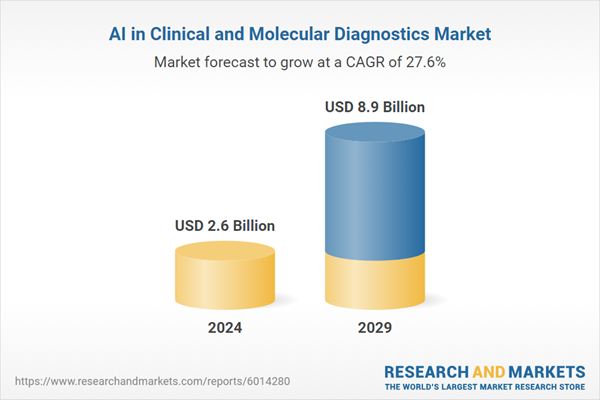
AI in Clinical and Molecular Diagnostics Market is set to experience remarkable growth, projected to surge from USD 2.6 billion in 2024 to USD 8.9 billion by 2029. This growth is driven by the integration of advanced AI technologies such as machine learning and deep learning into traditional diagnostic methodologies like imaging, genomics, and laboratory testing.

AI: A Revolution in Healthcare’s Future

AI is not a distant dream but a present reality, already integrated into everyday life through virtual assistants like Alexa and Siri. AI shows promise in enhancing medical accuracy, such as in predicting mesothelioma survival and improving colonoscopy accuracy, it is not intended to replace healthcare professionals.