In a reappearance at the Toledo City Council, a proposal for a zoning change on Executive Parkway is leading towards possible approval. Initially discussed at the city’s February 25 meeting, the council opted to revisit the matter in its zoning and planning committee, which reconvened this past Wednesday. The land in question, located at 0 Executive Parkway, is split-zoned, tagged for office commercial and regional commercial use.

Jon Roumaya, who leads Key Hotel and Property Management, is pressing to convert the space entirely to regional commercial zoning. His aim is to develop a drive-through restaurant akin to a Culver’s outlet on one side of the property, with specifics on the chain yet to be confirmed.

There were differing stances from city departments on this zoning change: the city’s planning staff initially disapproved, citing that regional commercial zoning contradicts the existing zoning milieu devoted to office spaces, residential complexes, and hotels. Despite this, the city’s plan commission loaned its backing, enabling the matter to advance to the zoning and planning committee for an inaugural review. Discussions at a prior February 20 meeting exposed some councilmen’s traffic-induced wariness concerning the potential development, yet abstaining from endorsing or rejecting the proposal collectively.

Tom Gibbons, the Plan Director, earlier vocalized hesitance to adopt regional commercial zoning, wary it might redirect the land’s use into inappropriate channels for its current neighborhood ethos of office buildings and hotels. However, in recent discourse with the applicant, measures were brokered for conservation easements or landscaped buffers between the site of the proposed development and adjacent fast-food establishments, softening previous concerns by providing so-called “protective measures.”

Councilman Sam Melden, overseeing this district, remarked on the divisive feedback—the notion receiving both acclaim and disapproval from his constituents. Both Melden and Gibbons agreed on constraining future regional commercial development, declaring that the Executive Parkway proposal is a borderline case meeting neighborhood standards.

Melden urged the city council to approve the zoning change with one stipulation: organize community meetings to garner input from local residents. Interestingly, the recent committee assembly registered no attendees willing to vocalize their position pro or contra the project, neither did Mr. Roumaya or the project’s developer attend for commentary.

Also in review, the zoning and planning committee considered amending the Toledo Municipal Code concerning the establishment of certain business types close to residential zones. It proposed car washes be barred from setting up within 100 feet of such zones. Meanwhile, previous studies led to suggestions of maintaining current operational guidelines for storage units, thus forgoing any amendments.

Both car wash and storage unit projects fell under a moratorium initiated by the council the previous July and concluded this January, a pause allowing for investigative insights into these business developments. Melden acknowledged this investigative pause proved enlightening, equipping council members with enhanced perspectives for future decision-making.

These legislative matters are poised for a decisive vote by the full Toledo City Council on March 25.

For more details, you can refer to the original article from the Toledo Blade.

More Articles

Getting licensed or staying ahead in your career can be a journey—but it doesn’t have to be overwhelming. Grab your favorite coffee or tea, take a moment to relax, and browse through our articles. Whether you’re just starting out or renewing your expertise, we’ve got tips, insights, and advice to keep you moving forward. Here’s to your success—one sip and one step at a time!

Title Insurance Leaders Double Down on Tech and Efficiency to Drive 2026 Market Momentum

The title insurance industry is entering 2026 with a renewed focus on technology, operational efficiency, and stronger agent support after years of volatility. Leaders from major underwriters report rising transaction activity, improved affordability, and a surge in automation and fraud‑prevention tools—signs that smarter systems and better training will define the next wave of growth.

Mortgage CEO Barred in 21 States After Major Education Fraud Settlement

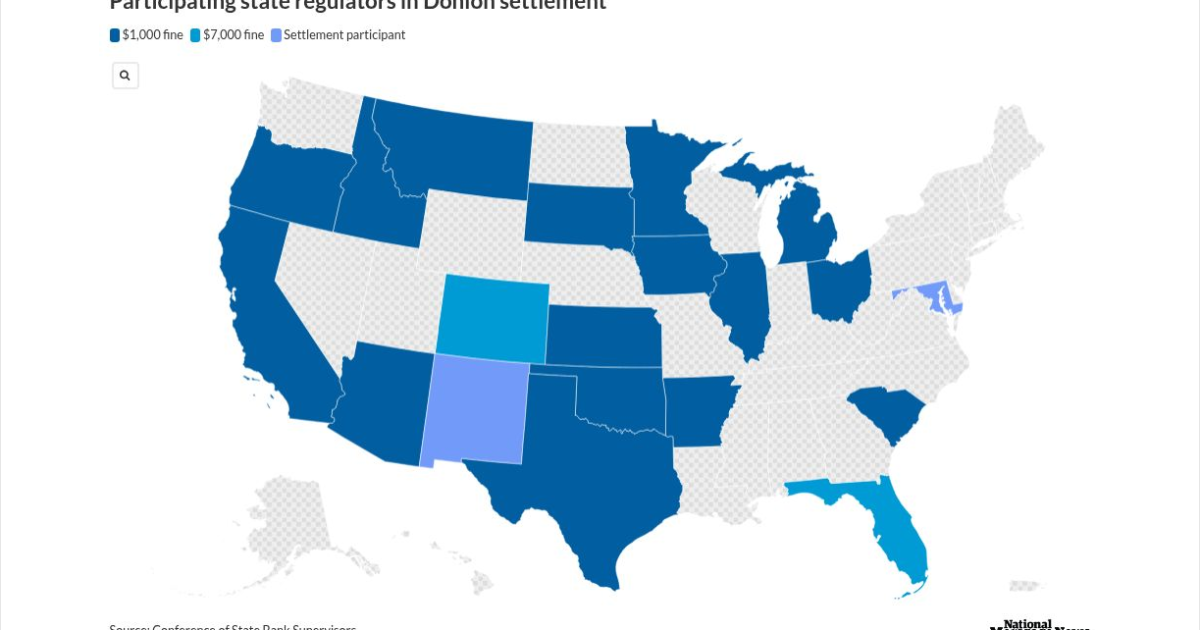
A multistate crackdown has sent shockwaves through the mortgage industry as Patrick Terrance Donlon, CEO of Trusted American Mortgage, accepted a sweeping settlement that bans him from working as a mortgage loan originator in 21 states—19 of them permanently. Regulators say Donlon had another individual complete his mandatory licensing and continuing‑education courses, a violation that triggered a coordinated investigation and a $31,000 penalty. The case underscores regulators’ growing intolerance for education fraud and serves as a sharp reminder to industry professionals: cutting corners on licensing can end careers.

Florida’s Real Estate Slowdown: How Insurance Costs Are Reshaping the Market

Florida’s once‑booming housing market is cooling fast as rising insurance premiums, increasing foreclosures, and expanding flood zones push buyers to back out of deals and force sellers to cut prices. With insurance now adding thousands to annual housing costs, professionals across real estate, mortgage, and insurance are navigating a dramatically shifting landscape that’s redefining affordability in the Sunshine State.

New Florida Laws Taking Effect January 1, 2026: Key Changes Every Professional Should Know

Florida begins 2026 with a wave of more than 250 new laws now in effect, impacting healthcare, insurance, real estate, and consumer protections statewide. From free breast cancer screenings for state employees to tighter pet insurance regulations, mandatory healthcare refund rules, enhanced animal‑cruelty penalties, and new condo‑management requirements, these updates carry major implications for professionals navigating Florida’s evolving regulatory landscape.

Florida’s Barrier Islands: Why Paradise Living Comes With Sky‑High Risks for Homeowners and Agents

Florida’s barrier islands may offer postcard-perfect beaches and soaring real estate demand, but they’re also some of the most fragile and costly places to build in the United States. With 765,000 residents living on land that shifts, sinks, and takes the brunt of every major hurricane, the financial and insurance risks are accelerating fast. From billion‑dollar beach rebuilds to towers settling into the sand, today’s coastal development challenges are reshaping conversations around property values, disclosure, and long‑term resilience. For real estate professionals, understanding these risks isn’t just smart — it’s becoming essential.

Cedar City Builder Redefines Affordable Housing With Luxury‑Style Twin Homes

A Cedar City development is turning heads with its fresh approach to affordability. The team behind Temple View Commons is delivering luxury‑inspired twin homes at prices below the local median by using a small, hands‑on staff and cutting traditional costs like realtor commissions. In a tight Utah housing market where inventory is scarce and prices remain high, their strategy offers a realistic path to homeownership without sacrificing high‑end finishes.