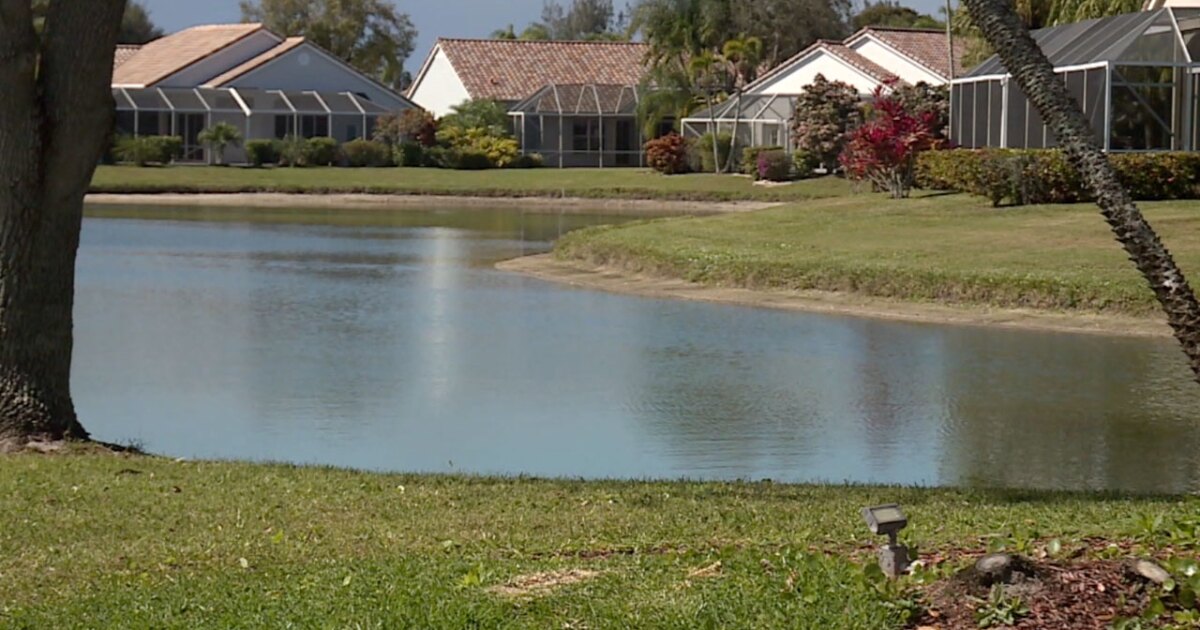
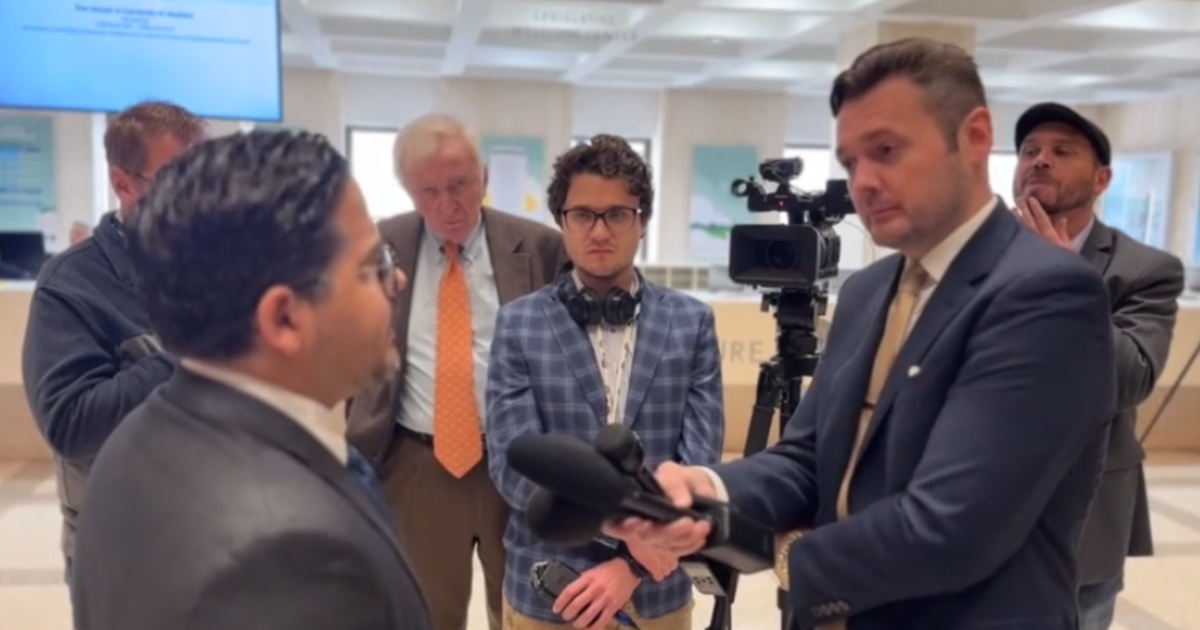
In a reappearance at the Toledo City Council, a proposal for a zoning change on Executive Parkway is leading towards possible approval. Initially discussed at the city’s February 25 meeting, the council opted to revisit the matter in its zoning and planning committee, which reconvened this past Wednesday. The land in question, located at 0 Executive Parkway, is split-zoned, tagged for office commercial and regional commercial use.

Jon Roumaya, who leads Key Hotel and Property Management, is pressing to convert the space entirely to regional commercial zoning. His aim is to develop a drive-through restaurant akin to a Culver’s outlet on one side of the property, with specifics on the chain yet to be confirmed.

There were differing stances from city departments on this zoning change: the city’s planning staff initially disapproved, citing that regional commercial zoning contradicts the existing zoning milieu devoted to office spaces, residential complexes, and hotels. Despite this, the city’s plan commission loaned its backing, enabling the matter to advance to the zoning and planning committee for an inaugural review. Discussions at a prior February 20 meeting exposed some councilmen’s traffic-induced wariness concerning the potential development, yet abstaining from endorsing or rejecting the proposal collectively.

Tom Gibbons, the Plan Director, earlier vocalized hesitance to adopt regional commercial zoning, wary it might redirect the land’s use into inappropriate channels for its current neighborhood ethos of office buildings and hotels. However, in recent discourse with the applicant, measures were brokered for conservation easements or landscaped buffers between the site of the proposed development and adjacent fast-food establishments, softening previous concerns by providing so-called “protective measures.”

Councilman Sam Melden, overseeing this district, remarked on the divisive feedback—the notion receiving both acclaim and disapproval from his constituents. Both Melden and Gibbons agreed on constraining future regional commercial development, declaring that the Executive Parkway proposal is a borderline case meeting neighborhood standards.

Melden urged the city council to approve the zoning change with one stipulation: organize community meetings to garner input from local residents. Interestingly, the recent committee assembly registered no attendees willing to vocalize their position pro or contra the project, neither did Mr. Roumaya or the project’s developer attend for commentary.

Also in review, the zoning and planning committee considered amending the Toledo Municipal Code concerning the establishment of certain business types close to residential zones. It proposed car washes be barred from setting up within 100 feet of such zones. Meanwhile, previous studies led to suggestions of maintaining current operational guidelines for storage units, thus forgoing any amendments.

Both car wash and storage unit projects fell under a moratorium initiated by the council the previous July and concluded this January, a pause allowing for investigative insights into these business developments. Melden acknowledged this investigative pause proved enlightening, equipping council members with enhanced perspectives for future decision-making.

These legislative matters are poised for a decisive vote by the full Toledo City Council on March 25.

For more details, you can refer to the original article from the Toledo Blade.

More Articles

Getting licensed or staying ahead in your career can be a journey—but it doesn’t have to be overwhelming. Grab your favorite coffee or tea, take a moment to relax, and browse through our articles. Whether you’re just starting out or renewing your expertise, we’ve got tips, insights, and advice to keep you moving forward. Here’s to your success—one sip and one step at a time!

Emerging Trends Shaping the Future of Commercial Real Estate

Commercial real estate is undergoing rapid transformation driven by flexible workspaces, booming industrial demand, sustainability priorities, and advanced building technology. As tenant expectations evolve, investors and professionals who adapt to modular work environments, e-commerce driven logistics growth, green building standards, and tech integrated properties will be best positioned for long term success in an increasingly dynamic market.

Florida Ends Insurance Surcharge Early, Delivering 650 Million Dollars in Statewide Savings

Florida homeowners are getting long-awaited relief as the state ends its 1 percent insurance surcharge two years ahead of schedule. The charge, originally added after multiple insurer failures, will officially conclude on October 1, saving residents an estimated 650 million dollars. While individual savings average about 31 dollars per policy, the move signals a healthier and more stable insurance market—welcome news for homeowners, buyers, and real estate professionals across the state.

Real Estate Tech Gets Smarter: AI, Integrations, and Faster Listing Prep

This week’s biggest real estate tech updates are reshaping how agents market listings, how builders present inventory, and how sellers prep their homes. Canva and Rechat now offer a seamless MLS‑to‑marketing workflow, PulteGroup is expanding AI to create consistent digital listings, and Simplify Home is accelerating pre‑listing improvements with pay‑at‑closing options. These innovations highlight a clear trend: real estate pros who embrace smarter tools will move faster and win more business.

Starting Your Career? New Study Reveals the Best and Worst States for Young Professionals

A new national analysis shows that where you choose to launch your career can dramatically impact your early financial stability, job growth, and long‑term success. Wyoming, Vermont, and the Dakotas offer the strongest opportunities for entry‑level professionals thanks to abundant jobs and affordable housing. Meanwhile, states like California and Hawaii present steep challenges with extremely limited openings and sky‑high living costs. For those eyeing real estate, mortgage, insurance, or finance careers, Florida remains competitive but promising—and Cameron Academy is ready to help you get licensed and career‑ready no matter where you start.

Florida House Advances Major Housing Bill Amid Concerns Over Sprawl

Florida lawmakers have approved HB 399, a sweeping land‑use overhaul that aims to expand housing supply but has sparked concern over weakened local authority and potential sprawl. Supporters argue the bill will ease affordability pressures, while opponents warn it sidelines voter-approved growth protections and shifts too much power toward developers. The measure now moves to the Senate, positioning it as a pivotal issue for real estate professionals navigating Florida’s evolving regulatory landscape.

Florida Keys Buyers Gain the Upper Hand as Market Shifts Toward 2026

A new study shows that buyers in the Florida Keys are gaining more influence over pricing and negotiations, signaling a cooling and maturing market heading into 2026. With increased leverage on the buyer side, real estate professionals must adapt their strategies—sharpening pricing analysis, negotiation skills, and market insights—to stay competitive in a shifting Monroe County landscape.