In a reappearance at the Toledo City Council, a proposal for a zoning change on Executive Parkway is leading towards possible approval. Initially discussed at the city’s February 25 meeting, the council opted to revisit the matter in its zoning and planning committee, which reconvened this past Wednesday. The land in question, located at 0 Executive Parkway, is split-zoned, tagged for office commercial and regional commercial use.

Jon Roumaya, who leads Key Hotel and Property Management, is pressing to convert the space entirely to regional commercial zoning. His aim is to develop a drive-through restaurant akin to a Culver’s outlet on one side of the property, with specifics on the chain yet to be confirmed.

There were differing stances from city departments on this zoning change: the city’s planning staff initially disapproved, citing that regional commercial zoning contradicts the existing zoning milieu devoted to office spaces, residential complexes, and hotels. Despite this, the city’s plan commission loaned its backing, enabling the matter to advance to the zoning and planning committee for an inaugural review. Discussions at a prior February 20 meeting exposed some councilmen’s traffic-induced wariness concerning the potential development, yet abstaining from endorsing or rejecting the proposal collectively.

Tom Gibbons, the Plan Director, earlier vocalized hesitance to adopt regional commercial zoning, wary it might redirect the land’s use into inappropriate channels for its current neighborhood ethos of office buildings and hotels. However, in recent discourse with the applicant, measures were brokered for conservation easements or landscaped buffers between the site of the proposed development and adjacent fast-food establishments, softening previous concerns by providing so-called “protective measures.”

Councilman Sam Melden, overseeing this district, remarked on the divisive feedback—the notion receiving both acclaim and disapproval from his constituents. Both Melden and Gibbons agreed on constraining future regional commercial development, declaring that the Executive Parkway proposal is a borderline case meeting neighborhood standards.

Melden urged the city council to approve the zoning change with one stipulation: organize community meetings to garner input from local residents. Interestingly, the recent committee assembly registered no attendees willing to vocalize their position pro or contra the project, neither did Mr. Roumaya or the project’s developer attend for commentary.

Also in review, the zoning and planning committee considered amending the Toledo Municipal Code concerning the establishment of certain business types close to residential zones. It proposed car washes be barred from setting up within 100 feet of such zones. Meanwhile, previous studies led to suggestions of maintaining current operational guidelines for storage units, thus forgoing any amendments.

Both car wash and storage unit projects fell under a moratorium initiated by the council the previous July and concluded this January, a pause allowing for investigative insights into these business developments. Melden acknowledged this investigative pause proved enlightening, equipping council members with enhanced perspectives for future decision-making.

These legislative matters are poised for a decisive vote by the full Toledo City Council on March 25.

For more details, you can refer to the original article from the Toledo Blade.

More Articles

Getting licensed or staying ahead in your career can be a journey—but it doesn’t have to be overwhelming. Grab your favorite coffee or tea, take a moment to relax, and browse through our articles. Whether you’re just starting out or renewing your expertise, we’ve got tips, insights, and advice to keep you moving forward. Here’s to your success—one sip and one step at a time!

Florida Home Insurance Rates Expected To Drop in 2026 as Market Finally Stabilizes

After years of sharp increases and shrinking coverage options, Florida’s home insurance market is showing its strongest signs of recovery yet. Multiple insurers are proposing significant premium cuts for 2026 — some in the double digits — as storm‑loss data improves and private carriers re‑enter the state. Citizens Insurance is also seeking its first broad rate reduction in a decade, potentially lowering costs for millions of homeowners. This shift could boost affordability and confidence across Florida’s real estate and mortgage markets heading into the new year.

The AI Startup Quietly Dominating Fintech: How Salient Hit $500M in Two Years

An AI company that began in a bedroom is now shaking the foundations of the lending industry. Salient, led by CEO Ari Malik, has skyrocketed to a $500 million valuation by fixing one of finance’s messiest problems: debt servicing. With zero customer churn, 100% pilot-to-contract conversions, and AI agents reportedly 30 times more compliant than humans, Salient is redefining how lenders manage loans. Its rapid rise highlights a new era where trust, regulation‑ready AI, and deep industry understanding are becoming essential for professionals across real estate, mortgage, finance, and insurance.

How Redmond’s Prisma Project Is Transforming Affordable Housing Near Transit

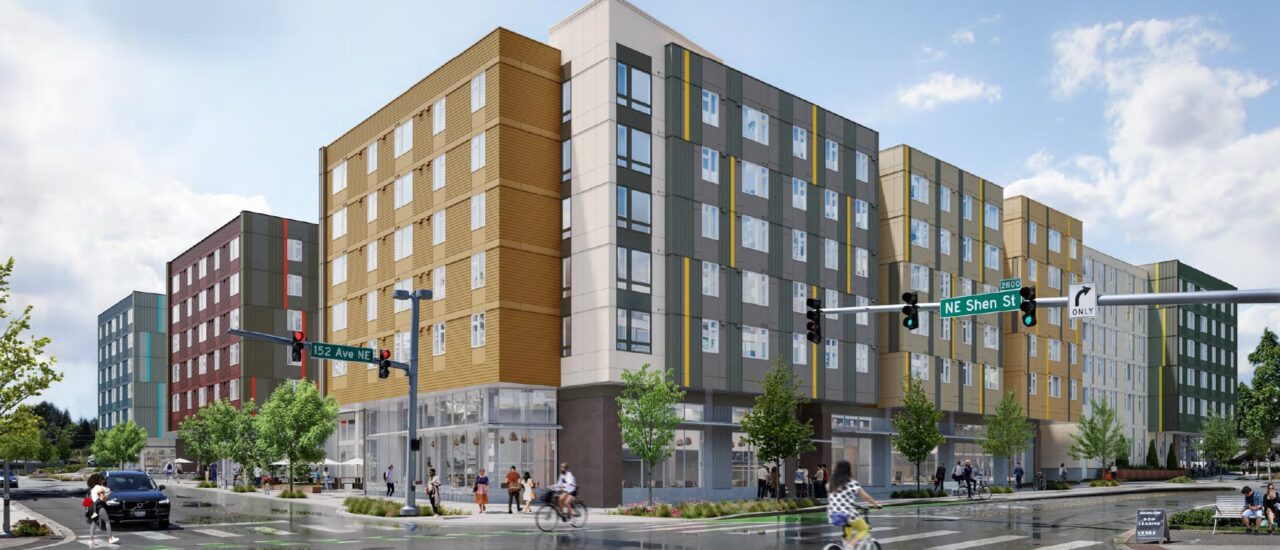
Redmond, Washington is tackling its housing crisis with Prisma, a six‑story, transit‑oriented development built on discounted surplus land from Sound Transit. The project will deliver 328 deeply affordable units—most reserved for households earning 50 percent of AMI or less, including families and people with disabilities. Enabled by a rare cross‑sector funding partnership, Prisma showcases how cities can combine transit investment, public resources, and private support to create long‑term, equitable housing solutions.

Florida’s Citizens Insurance Proposes Rare Rate Cuts for 2026

Citizens Property Insurance Corp. is recommending rate decreases for millions of Florida homeowners in 2026, marking the first potential premium drop in over a decade. If approved by state regulators, personal-line policies would fall an average of 2.6%, with some homeowners seeing reductions up to 11.5%. The shift reflects growing market stability driven by recent insurance reforms and increased private‑sector participation, though not all counties will benefit equally.

Is AI Really Taking Over Finance Jobs? Why Wall Street’s Layoff Panic Is Mostly Hype

Despite alarming headlines, experts say AI isn’t the true driver behind Wall Street job cuts. Major banks like JPMorgan and Goldman Sachs are trimming staff, but economists point to post‑pandemic overhiring and economic uncertainty—not robots—as the real cause. While banks are investing heavily in AI tools, actual AI‑driven layoffs remain minimal. Instead, AI is slowing new hiring, reshaping roles, and pushing professionals across finance, real estate, and other industries to upskill rather than fear replacement.

How AI Is Driving Explosive Proptech Growth in 2025

Artificial intelligence is reshaping the real estate industry in 2025, powering a new surge of growth and maturity in the proptech sector. AI tools once considered experimental—such as predictive analytics, automated valuations, and digital transaction platforms—are now becoming essential to real estate, mortgage, insurance, and finance workflows. With rising investor confidence and widespread professional adoption, AI‑driven proptech is transforming how the industry operates and what skills modern professionals need to stay competitive.