In a reappearance at the Toledo City Council, a proposal for a zoning change on Executive Parkway is leading towards possible approval. Initially discussed at the city’s February 25 meeting, the council opted to revisit the matter in its zoning and planning committee, which reconvened this past Wednesday. The land in question, located at 0 Executive Parkway, is split-zoned, tagged for office commercial and regional commercial use.

Jon Roumaya, who leads Key Hotel and Property Management, is pressing to convert the space entirely to regional commercial zoning. His aim is to develop a drive-through restaurant akin to a Culver’s outlet on one side of the property, with specifics on the chain yet to be confirmed.

There were differing stances from city departments on this zoning change: the city’s planning staff initially disapproved, citing that regional commercial zoning contradicts the existing zoning milieu devoted to office spaces, residential complexes, and hotels. Despite this, the city’s plan commission loaned its backing, enabling the matter to advance to the zoning and planning committee for an inaugural review. Discussions at a prior February 20 meeting exposed some councilmen’s traffic-induced wariness concerning the potential development, yet abstaining from endorsing or rejecting the proposal collectively.

Tom Gibbons, the Plan Director, earlier vocalized hesitance to adopt regional commercial zoning, wary it might redirect the land’s use into inappropriate channels for its current neighborhood ethos of office buildings and hotels. However, in recent discourse with the applicant, measures were brokered for conservation easements or landscaped buffers between the site of the proposed development and adjacent fast-food establishments, softening previous concerns by providing so-called “protective measures.”

Councilman Sam Melden, overseeing this district, remarked on the divisive feedback—the notion receiving both acclaim and disapproval from his constituents. Both Melden and Gibbons agreed on constraining future regional commercial development, declaring that the Executive Parkway proposal is a borderline case meeting neighborhood standards.

Melden urged the city council to approve the zoning change with one stipulation: organize community meetings to garner input from local residents. Interestingly, the recent committee assembly registered no attendees willing to vocalize their position pro or contra the project, neither did Mr. Roumaya or the project’s developer attend for commentary.

Also in review, the zoning and planning committee considered amending the Toledo Municipal Code concerning the establishment of certain business types close to residential zones. It proposed car washes be barred from setting up within 100 feet of such zones. Meanwhile, previous studies led to suggestions of maintaining current operational guidelines for storage units, thus forgoing any amendments.

Both car wash and storage unit projects fell under a moratorium initiated by the council the previous July and concluded this January, a pause allowing for investigative insights into these business developments. Melden acknowledged this investigative pause proved enlightening, equipping council members with enhanced perspectives for future decision-making.

These legislative matters are poised for a decisive vote by the full Toledo City Council on March 25.

For more details, you can refer to the original article from the Toledo Blade.

More Articles

Getting licensed or staying ahead in your career can be a journey—but it doesn’t have to be overwhelming. Grab your favorite coffee or tea, take a moment to relax, and browse through our articles. Whether you’re just starting out or renewing your expertise, we’ve got tips, insights, and advice to keep you moving forward. Here’s to your success—one sip and one step at a time!

Rising Home Insurance Costs Are Quietly Rewriting America’s Real Estate Rules

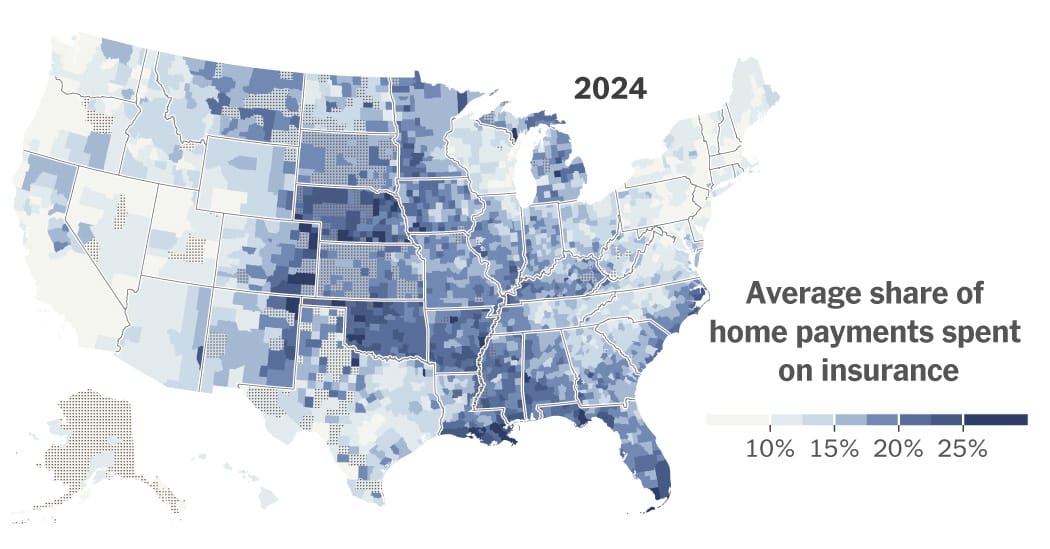
A surge in home insurance premiums is reshaping housing markets across the country, hitting disaster‑prone regions the hardest. From Louisiana to Colorado and California, deals are collapsing, buyers are backing out, and home values are dropping as insurance becomes a central affordability hurdle. New data shows climate‑driven risk repricing and soaring reinsurance costs are stripping tens of thousands of dollars from property values, forcing some homeowners to sell at a loss—or go uninsured altogether.

Is 2026 the Year the Housing Market Finally Roars Back? NAR Thinks So

After years of sluggish activity, the National Association of REALTORS predicts 2026 could mark the long‑awaited rebound for the housing market. With a projected 14% jump in home sales, steadier rates near 6%, and rising buyer activity, NAR economists say momentum is already building. Early signs—like a 31% surge in mortgage applications, continued job growth, and stabilizing prices—suggest a stronger, more confident market ahead, creating fresh opportunities for both seasoned professionals and aspiring agents preparing to enter the field.

Global Capital Is on the Move: What Colliers’ 2026 Outlook Means for the Future of Real Estate

A surge of global capital is reshaping real estate heading into 2026, with investors shifting toward hands‑on strategies, cross‑border diversification, and high‑growth asset classes like data centers. Colliers’ 2026 Global Investor Outlook highlights rising confidence, improving liquidity, and a major pivot toward direct investing and value‑add opportunities. From office market rebounds to Asia Pacific’s rapid fundraising growth, the report outlines trends every real estate professional should understand as the industry enters a more dynamic, opportunity‑rich cycle.

California Bets on a Single Staircase to Unlock New Housing

Culver City just became the first place in California to legalize six‑story apartment buildings with only one staircase — a simple change that could reshape mid‑rise housing statewide. By freeing up as much as 7% more usable floor space, architects say single‑stair designs allow bigger units, more windows, and the kind of elegant layouts common in New York and Europe. If the city’s six‑year experiment succeeds, it may spark a broader rethinking of U.S. building codes and open the door to more flexible, affordable multifamily development across California.

Stratford Launches 2025 Property Revaluation, Sending New Assessments to Homeowners

Stratford homeowners are receiving their 2025 Notices of Assessment Change, marking the town’s first property revaluation since 2019. Officials emphasize that rising assessments do not equal higher tax bills, as a new mill rate won’t be set until spring 2026. Residents can challenge or review their updated valuations through informal hearings hosted by Vision Government Solutions, with appointments available for one week after receiving a notice.

Florida Homeowners Buckle Under Nation-Leading Insurance Premiums as Crisis Deepens

New reporting reveals Florida homeowners now face an average insurance premium of $5,838 per year — nearly triple the national average. With skyrocketing rates, denied claims, and mounting non-renewals, residents are being pushed to tough financial decisions while lawmakers scramble to implement reforms. From retirees skipping coverage to families battling insurers for fair payouts, Florida’s insurance crisis is reshaping both the housing market and the daily lives of homeowners statewide.