Too Many Cooks in the Kitchen? The 2026 Insurance Outlook Everyone’s Talking About
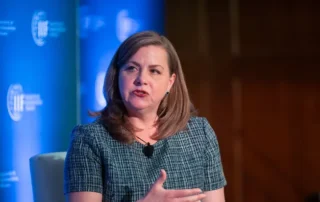
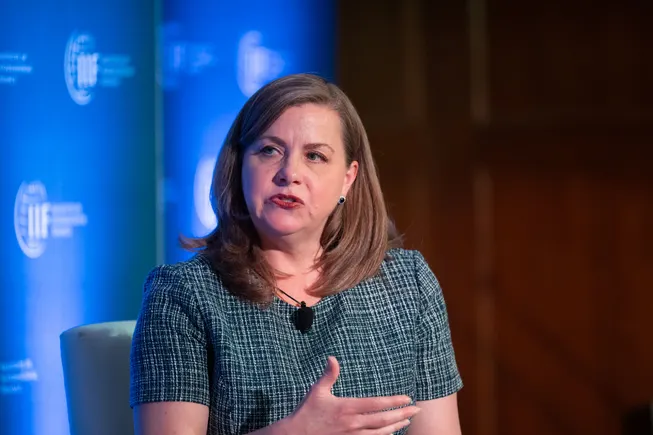
If you enjoy starting your morning with a pulse check on the global economic landscape, the latest episode of Current Account is absolutely worth a listen. Hosted by Clay Lowery and joined by industry heavyweights Jérôme Haegeli of Swiss Re and Philippe Brahin of the IIF, this episode dives headfirst into one of the most complex insurance environments in recent memory.
From shifting regulations to geopolitical uncertainty, insurers today are navigating a marketplace where the rules are changing while the game is still being played. And just like the episode title hints, there may indeed be “too many cooks in the kitchen” influencing risks, decisions, and opportunities.
Lowery, Haegeli, and Brahin map out the major forces driving uncertainty — and possibility — across the insurance landscape. Trade tensions remain volatile, technological disruption keeps accelerating, and natural catastrophe exposures continue climbing each year. Each force pushes from a unique angle, challenging insurers to rethink underwriting, capital strategies, and risk models.
A major emphasis throughout the episode is the ongoing global quest to shrink protection gaps. Insurers are experimenting with new frameworks, forming fresh collaborations, and leaning harder on data-driven decision-making to stay ahead of rapid change.
A Regulatory Shake-Up: What FSOC’s Future Means
Perhaps the most eyebrow-raising section of the episode is the discussion about the U.S. Treasury’s announcement on the future direction of the Financial Stability Oversight Council (FSOC). Any shift in FSOC’s posture could reshape how insurers approach systemic risk, regulatory expectations, and compliance infrastructure.
This is where professional education becomes more than a checkbox — it becomes a competitive advantage. With licensing, renewals, and industry updates happening faster than ever, many professionals are choosing ongoing education to stay sharp. At Cameron Academy, we’ve seen a notable rise in students using their continuing education to strengthen their long-term career strategy.
Looking Ahead: What’s Coming in 2026 and Beyond
Looking toward 2026, the industry isn’t slowing down — even if global premium growth is. Forecasts suggest premiums will expand at just 2.3% in real terms, slightly below prior years. That means profitability, efficiency, and resilience will depend on companies’ agility in a risk climate that refuses to sit still.
For professionals entering or advancing in insurance, financial services, or risk management, this changing landscape offers both challenge and opportunity. It’s an ideal season to sharpen skills, broaden licensing, or pursue additional certifications — all of which Cameron Academy proudly supports across the country.
Current Account returns in January 2026, and if this episode is any indicator, the coming year promises to be one of the most transformative yet for the insurance sector.
More Articles
Getting licensed or staying ahead in your career can be a journey—but it doesn’t have to be overwhelming. Grab your favorite coffee or tea, take a moment to relax, and browse through our articles. Whether you’re just starting out or renewing your expertise, we’ve got tips, insights, and advice to keep you moving forward. Here’s to your success—one sip and one step at a time!
Florida’s insurance market is under intense pressure as millions of residents and trillions in property wealth cluster along hurricane‑vulnerable coastlines. This article breaks down how decades of growth in high‑risk zones created today’s crisis, why traditional pricing models can’t keep up, and what real estate and insurance professionals must do to stay ahead. It offers actionable insights on underwriting, risk communication, policy partnerships, and resilience planning—critical knowledge for anyone advising Florida homeowners or navigating the state’s evolving insurance landscape.
Florida’s homeowners insurance market may have stabilized, but not in the way residents hoped. After years of runaway increases, premiums have stopped spiking—but they’re holding at painfully high levels. Coastal properties remain the hardest hit, with some policies topping $15,000 a year, while insurers continue demanding costly upgrades and resisting calls for transparency. For real estate professionals, understanding these pricing pressures is becoming essential as insurance costs increasingly shape buyer decisions across the state.
Florida homeowners face soaring premiums, shrinking insurer options, and storms that grow stronger each year. This article breaks down what hurricane insurance actually covers, how deductibles really work, why flood insurance is essential, and what professionals in real estate, mortgage, and insurance must understand to protect clients and properties before the next major storm hits.
Teresa King Kinney, one of the most influential executives in modern real estate, is retiring after 33 years as CEO of the MIAMI Association of Realtors. Under her leadership, the organization grew from 5,000 members to 60,000, became a global real estate powerhouse, and built the nation’s largest association‑owned MLS. As she transitions into CEO Emeritus, MIAMI prepares for a new era shaped by the foundation she spent decades building.
Miami’s commercial property market is heating up again, posting an 11% jump in investment volume for 2025. The surge is driven largely by a revitalized retail sector fueled by population growth, strong tourism, and new mixed‑use development. While office and industrial activity remains steady but softer, investor confidence is returning as Miami’s CRE landscape matures and buyers re‑enter the market with renewed interest in high‑traffic retail opportunities.
The Federal Reserve is preparing major changes to mortgage regulations in an effort to pull more mortgage activity back into the banking sector. With banks losing significant market share to nonbank lenders over the past decade, Fed Vice Chair for Supervision Michelle Bowman says new proposals may ease capital requirements and make mortgage servicing more attractive for banks. These shifts could have wide‑ranging effects on real estate professionals, lenders, and borrowers as the balance of power in the mortgage market begins to shift once again.