Too Many Cooks in the Kitchen? The 2026 Insurance Outlook Everyone’s Talking About
If you enjoy starting your morning with a pulse check on the global economic landscape, the latest episode of Current Account is absolutely worth a listen. Hosted by Clay Lowery and joined by industry heavyweights Jérôme Haegeli of Swiss Re and Philippe Brahin of the IIF, this episode dives headfirst into one of the most complex insurance environments in recent memory.
From shifting regulations to geopolitical uncertainty, insurers today are navigating a marketplace where the rules are changing while the game is still being played. And just like the episode title hints, there may indeed be “too many cooks in the kitchen” influencing risks, decisions, and opportunities.
Lowery, Haegeli, and Brahin map out the major forces driving uncertainty — and possibility — across the insurance landscape. Trade tensions remain volatile, technological disruption keeps accelerating, and natural catastrophe exposures continue climbing each year. Each force pushes from a unique angle, challenging insurers to rethink underwriting, capital strategies, and risk models.
A major emphasis throughout the episode is the ongoing global quest to shrink protection gaps. Insurers are experimenting with new frameworks, forming fresh collaborations, and leaning harder on data-driven decision-making to stay ahead of rapid change.
A Regulatory Shake-Up: What FSOC’s Future Means
Perhaps the most eyebrow-raising section of the episode is the discussion about the U.S. Treasury’s announcement on the future direction of the Financial Stability Oversight Council (FSOC). Any shift in FSOC’s posture could reshape how insurers approach systemic risk, regulatory expectations, and compliance infrastructure.
This is where professional education becomes more than a checkbox — it becomes a competitive advantage. With licensing, renewals, and industry updates happening faster than ever, many professionals are choosing ongoing education to stay sharp. At Cameron Academy, we’ve seen a notable rise in students using their continuing education to strengthen their long-term career strategy.
Looking Ahead: What’s Coming in 2026 and Beyond
Looking toward 2026, the industry isn’t slowing down — even if global premium growth is. Forecasts suggest premiums will expand at just 2.3% in real terms, slightly below prior years. That means profitability, efficiency, and resilience will depend on companies’ agility in a risk climate that refuses to sit still.
For professionals entering or advancing in insurance, financial services, or risk management, this changing landscape offers both challenge and opportunity. It’s an ideal season to sharpen skills, broaden licensing, or pursue additional certifications — all of which Cameron Academy proudly supports across the country.
Current Account returns in January 2026, and if this episode is any indicator, the coming year promises to be one of the most transformative yet for the insurance sector.
More Articles
Getting licensed or staying ahead in your career can be a journey—but it doesn’t have to be overwhelming. Grab your favorite coffee or tea, take a moment to relax, and browse through our articles. Whether you’re just starting out or renewing your expertise, we’ve got tips, insights, and advice to keep you moving forward. Here’s to your success—one sip and one step at a time!
The financial landscape in South Korea is poised for a seismic shift as KBank, a major digital bank, grapples with a legislative curveball. The bank, which is heavily reliant on deposits from Upbit, Korea’s dominant cryptocurrency exchange, is facing a potential profit squeeze. The new Virtual Asset User Protection Act, set to take effect on July 19, 2024, mandates that banks must pay interest on crypto exchange deposits, a move that could severely impact KBank's bottom line.
AI's ability to analyze vast amounts of data is paving the way for a profound change in medical diagnostics. Khosla predicted that AI could take over up to 80% of standard medical tasks, reducing errors and biases in human diagnosis. This is particularly evident in fields like radiology and pathology, where AI's proficiency in analyzing medical imaging allows for the early detection of diseases such as cancer, significantly improving treatment outcomes.
The COVID-19 pandemic has dramatically reshaped the housing market landscape, resulting in an unprecedented surge in home prices throughout the United States.
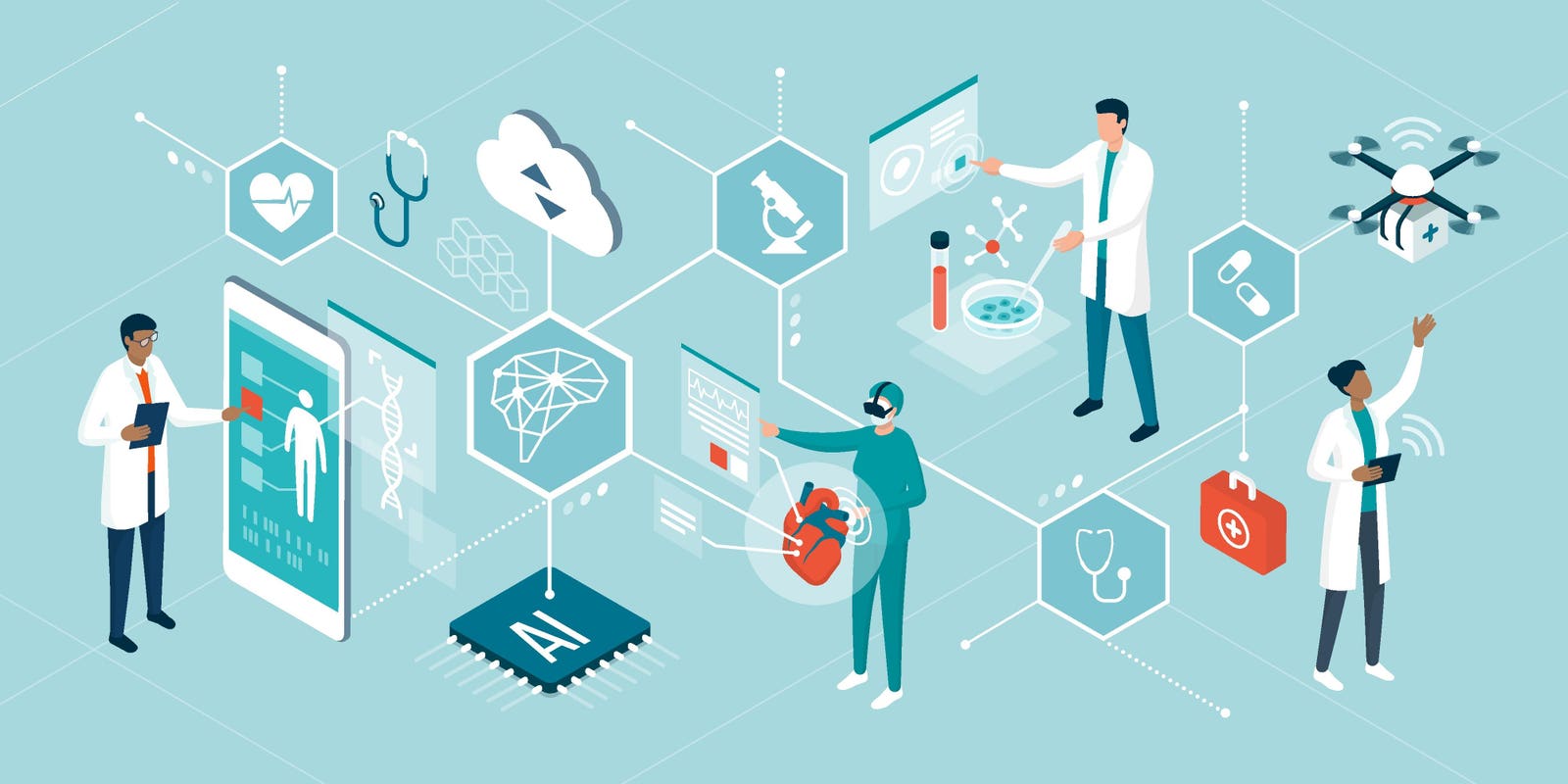
In a world where technology is rapidly evolving, artificial intelligence (AI) is proving to be a game-changer in the healthcare sector. AI-powered tools are improving patient outcomes, enhancing operational efficiency, and reducing costs, reshaping the very fabric of healthcare delivery.
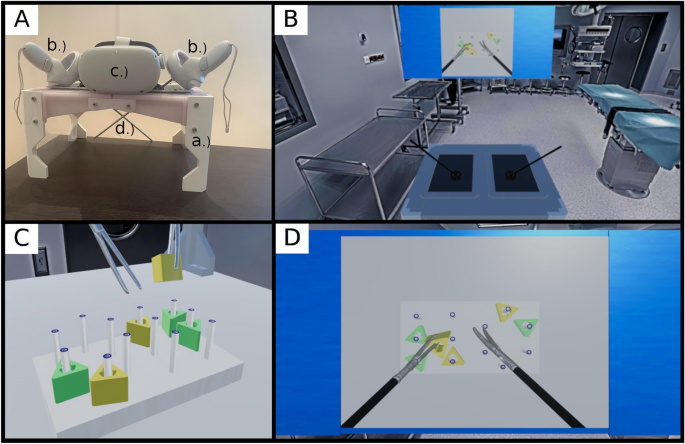
In a groundbreaking study published by Nature, researchers have unveiled a novel approach to surgical training using a low-fidelity virtual reality (VR) simulator enhanced with artificial intelligence (AI) for objective assessment. This pioneering method is poised to transform how medical students acquire laparoscopic skills, offering a cost-effective and efficient alternative to traditional training models.
AI in healthcare is projected to grow into a $188 billion industry worldwide by 2030, promising to revolutionize the field. From drug development to improved diagnostics, AI is already making significant strides, transforming medical practices and enhancing patient care efficiency.