Too Many Cooks in the Kitchen? The 2026 Insurance Outlook Everyone’s Talking About
If you enjoy starting your morning with a pulse check on the global economic landscape, the latest episode of Current Account is absolutely worth a listen. Hosted by Clay Lowery and joined by industry heavyweights Jérôme Haegeli of Swiss Re and Philippe Brahin of the IIF, this episode dives headfirst into one of the most complex insurance environments in recent memory.
From shifting regulations to geopolitical uncertainty, insurers today are navigating a marketplace where the rules are changing while the game is still being played. And just like the episode title hints, there may indeed be “too many cooks in the kitchen” influencing risks, decisions, and opportunities.
Lowery, Haegeli, and Brahin map out the major forces driving uncertainty — and possibility — across the insurance landscape. Trade tensions remain volatile, technological disruption keeps accelerating, and natural catastrophe exposures continue climbing each year. Each force pushes from a unique angle, challenging insurers to rethink underwriting, capital strategies, and risk models.
A major emphasis throughout the episode is the ongoing global quest to shrink protection gaps. Insurers are experimenting with new frameworks, forming fresh collaborations, and leaning harder on data-driven decision-making to stay ahead of rapid change.
A Regulatory Shake-Up: What FSOC’s Future Means
Perhaps the most eyebrow-raising section of the episode is the discussion about the U.S. Treasury’s announcement on the future direction of the Financial Stability Oversight Council (FSOC). Any shift in FSOC’s posture could reshape how insurers approach systemic risk, regulatory expectations, and compliance infrastructure.
This is where professional education becomes more than a checkbox — it becomes a competitive advantage. With licensing, renewals, and industry updates happening faster than ever, many professionals are choosing ongoing education to stay sharp. At Cameron Academy, we’ve seen a notable rise in students using their continuing education to strengthen their long-term career strategy.
Looking Ahead: What’s Coming in 2026 and Beyond
Looking toward 2026, the industry isn’t slowing down — even if global premium growth is. Forecasts suggest premiums will expand at just 2.3% in real terms, slightly below prior years. That means profitability, efficiency, and resilience will depend on companies’ agility in a risk climate that refuses to sit still.
For professionals entering or advancing in insurance, financial services, or risk management, this changing landscape offers both challenge and opportunity. It’s an ideal season to sharpen skills, broaden licensing, or pursue additional certifications — all of which Cameron Academy proudly supports across the country.
Current Account returns in January 2026, and if this episode is any indicator, the coming year promises to be one of the most transformative yet for the insurance sector.
More Articles
Getting licensed or staying ahead in your career can be a journey—but it doesn’t have to be overwhelming. Grab your favorite coffee or tea, take a moment to relax, and browse through our articles. Whether you’re just starting out or renewing your expertise, we’ve got tips, insights, and advice to keep you moving forward. Here’s to your success—one sip and one step at a time!
With increasing governmental and private investments, the demand for precision medicine is expected to rise steadily. The commitment to addressing chronic conditions, coupled with strategic industry collaborations and advanced diagnostic tools, will sustain market growth.
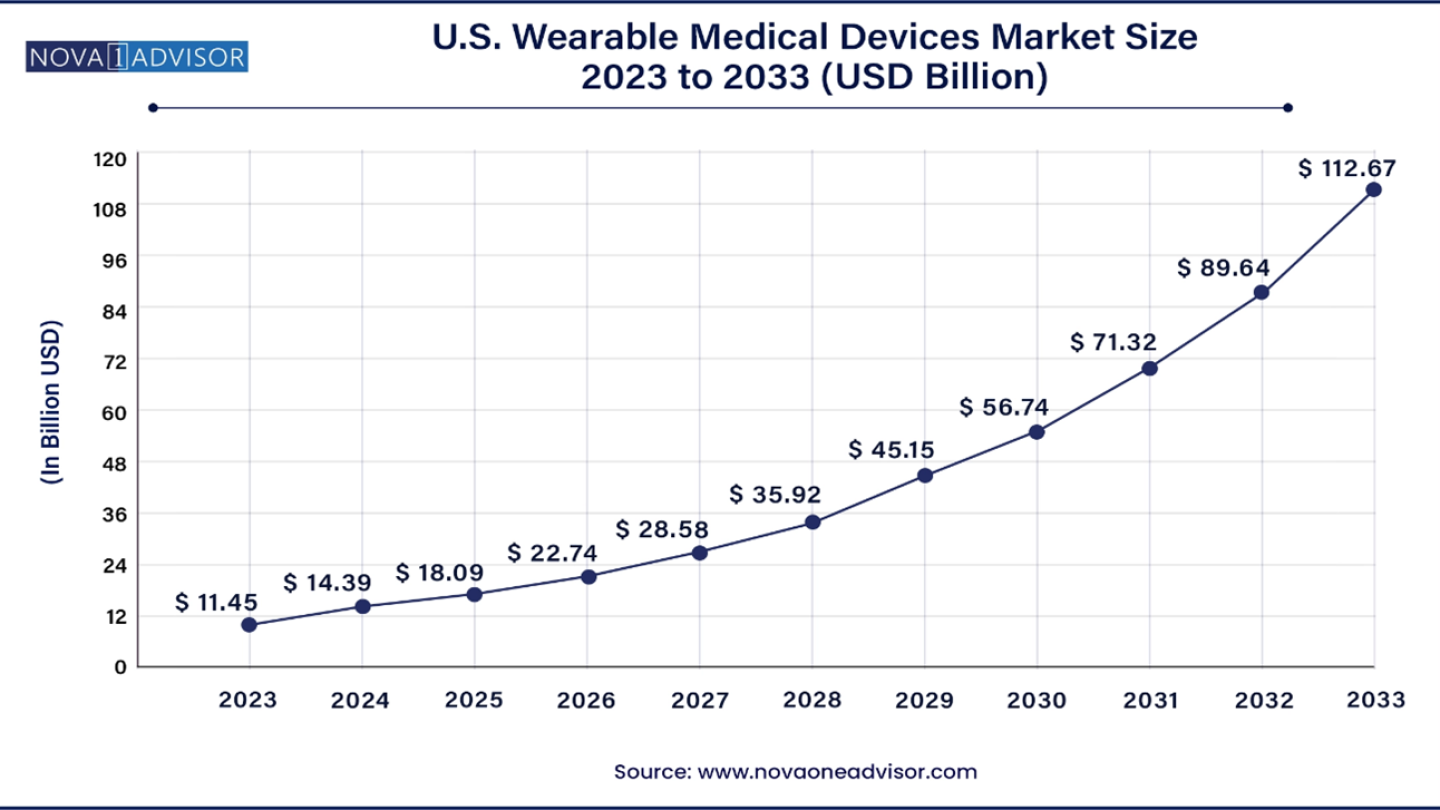
The U.S. wearable medical devices market, currently valued at an estimated $11.45 billion in 2023, is set to experience an astronomical rise to approximately $112.67 billion by 2033.
The real estate market is on the brink of transformation, captivating the attention of buyers, sellers, investors, and industry professionals. As we look toward the end of 2024, experts predict a shift in the landscape, particularly with home prices expected to decline due to increased inventory levels.
According to the World Health Organization (WHO), nearly two billion people in rural and remote areas worldwide lack access to essential healthcare solutions. This staggering statistic highlights a critical issue: the digital divide that limits telehealth services, primarily due to inadequate broadband access.
As AI becomes a staple in medical practice, it carries the risk of reinforcing existing biases entrenched in historical data. These biases can lead to skewed outcomes, particularly affecting marginalized communities such as the LGBTQIA+ and certain ethnic groups.
A groundbreaking study published in Volume 15 of Oncotarget on October 11, 2024, titled 'Relationship between the expressions of DLL3, ASC1, TTF-1 and Ki-67: First steps of precision medicine at SCLC' showcases pivotal advancements in the fight against small cell lung cancer (SCLC).