In the rapidly evolving landscape of business education, some institutions are emerging as leaders in innovation, adapting their curricula to meet the demands of a changing world. As highlighted in a recent article from Times Higher Education, ten business schools are making significant strides in 2025 by integrating cutting-edge technologies, focusing on sustainability, and expanding their global footprints.

Adapting to a New Era

Business schools are increasingly incorporating Artificial Intelligence (AI) into their curricula, recognizing its transformative impact on industries. The University of Pennsylvania’s Wharton School is at the forefront of this movement, launching initiatives that provide students with ChatGPT Enterprise licenses to explore generative AI. Dean Erika James emphasized the need for students to develop fluency in AI, stating that it is “a requirement to be competitive in any organization.”

Expanding Horizons

Meanwhile, Vanderbilt University’s Owen Graduate School of Management is making a bold move by establishing a new campus in Florida, aiming to tap into an underserved market. This $700 million investment reflects a “growth mindset,” according to Owen Dean Thomas Steenburgh, who sees “huge upside” in serving the South Florida market.

Focus on Sustainability and Entrepreneurship

The focus on sustainability and entrepreneurship is also evident in the strategies of schools like EDHEC Business School. Their commitment to entrepreneurship is underscored by a ranking as the top MBA program in this field, with 55% of its catalog devoted to entrepreneurship electives.

Innovative Partnerships and Programs

Additionally, schools are forming new collaborations and programs to enhance their offerings. ESSEC Business School has launched its RISE and Transcend strategies, emphasizing humanistic roots and future ambitions. This includes a reimagined Global MBA curriculum with concentrations in sustainability, digital, and innovation/entrepreneurship.

Global Reach and Local Impact

The Indiana University’s Kelley School of Business offers a unique Full-Time +Flex MBA program, allowing students to complete their second year online, thus balancing the benefits of a full-time program with the flexibility of online learning. This approach not only reduces opportunity costs but also leverages the strength of Kelley’s top-ranked online MBA program.

The Road Ahead

As these institutions continue to innovate and expand, they set the stage for a new era in business education. By embracing AI, sustainability, and entrepreneurship, they are preparing students to tackle the challenges of tomorrow. For more insights into these groundbreaking developments, explore the original article on Times Higher Education.

More Articles

Getting licensed or staying ahead in your career can be a journey—but it doesn’t have to be overwhelming. Grab your favorite coffee or tea, take a moment to relax, and browse through our articles. Whether you’re just starting out or renewing your expertise, we’ve got tips, insights, and advice to keep you moving forward. Here’s to your success—one sip and one step at a time!

KBank’s Crypto Dilemma: Navigating Legislative Changes Amid IPO Plans

The financial landscape in South Korea is poised for a seismic shift as KBank, a major digital bank, grapples with a legislative curveball. The bank, which is heavily reliant on deposits from Upbit, Korea’s dominant cryptocurrency exchange, is facing a potential profit squeeze. The new Virtual Asset User Protection Act, set to take effect on July 19, 2024, mandates that banks must pay interest on crypto exchange deposits, a move that could severely impact KBank's bottom line.

By |December 29, 2024|Categories: Article, Cryptocurrency, Finance|Tags: |0 Comments

The Transformation of Healthcare: AI’s Role in Diagnostics and Personalized Medicine

AI's ability to analyze vast amounts of data is paving the way for a profound change in medical diagnostics. Khosla predicted that AI could take over up to 80% of standard medical tasks, reducing errors and biases in human diagnosis. This is particularly evident in fields like radiology and pathology, where AI's proficiency in analyzing medical imaging allows for the early detection of diseases such as cancer, significantly improving treatment outcomes.

The Geography of Pandemic-Era Home Price Trends and Implications for Affordability

The COVID-19 pandemic has dramatically reshaped the housing market landscape, resulting in an unprecedented surge in home prices throughout the United States.

By |December 28, 2024|Categories: Affordability Issues, Article, Housing Market|Tags: |0 Comments

AI in Healthcare: Transforming the Industry Today and Tomorrow

In a world where technology is rapidly evolving, artificial intelligence (AI) is proving to be a game-changer in the healthcare sector. AI-powered tools are improving patient outcomes, enhancing operational efficiency, and reducing costs, reshaping the very fabric of healthcare delivery.

By |December 28, 2024|Categories: Article, Artificial Intelligence, Healthcare|Tags: |0 Comments

Revolutionizing Surgical Training with VR and AI

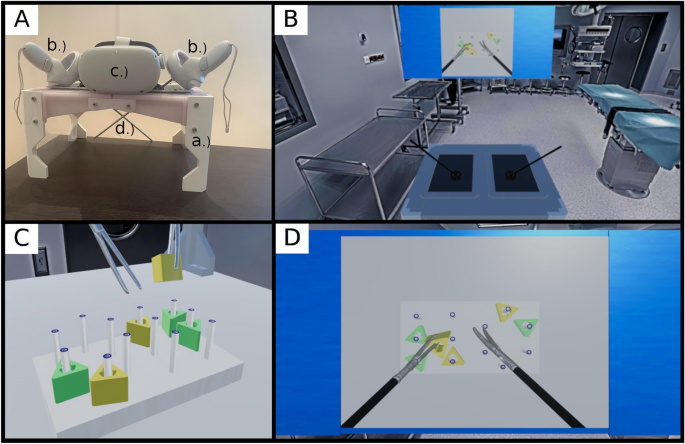
In a groundbreaking study published by Nature, researchers have unveiled a novel approach to surgical training using a low-fidelity virtual reality (VR) simulator enhanced with artificial intelligence (AI) for objective assessment. This pioneering method is poised to transform how medical students acquire laparoscopic skills, offering a cost-effective and efficient alternative to traditional training models.

AI and Machine Learning: Revolutionizing the Healthcare Industry

AI in healthcare is projected to grow into a $188 billion industry worldwide by 2030, promising to revolutionize the field. From drug development to improved diagnostics, AI is already making significant strides, transforming medical practices and enhancing patient care efficiency.

By |December 27, 2024|Categories: Article, Healthcare, Technology|Tags: , |0 Comments