In the rapidly evolving landscape of business education, some institutions are emerging as leaders in innovation, adapting their curricula to meet the demands of a changing world. As highlighted in a recent article from Times Higher Education, ten business schools are making significant strides in 2025 by integrating cutting-edge technologies, focusing on sustainability, and expanding their global footprints.

Adapting to a New Era

Business schools are increasingly incorporating Artificial Intelligence (AI) into their curricula, recognizing its transformative impact on industries. The University of Pennsylvania’s Wharton School is at the forefront of this movement, launching initiatives that provide students with ChatGPT Enterprise licenses to explore generative AI. Dean Erika James emphasized the need for students to develop fluency in AI, stating that it is “a requirement to be competitive in any organization.”

Expanding Horizons

Meanwhile, Vanderbilt University’s Owen Graduate School of Management is making a bold move by establishing a new campus in Florida, aiming to tap into an underserved market. This $700 million investment reflects a “growth mindset,” according to Owen Dean Thomas Steenburgh, who sees “huge upside” in serving the South Florida market.

Focus on Sustainability and Entrepreneurship

The focus on sustainability and entrepreneurship is also evident in the strategies of schools like EDHEC Business School. Their commitment to entrepreneurship is underscored by a ranking as the top MBA program in this field, with 55% of its catalog devoted to entrepreneurship electives.

Innovative Partnerships and Programs

Additionally, schools are forming new collaborations and programs to enhance their offerings. ESSEC Business School has launched its RISE and Transcend strategies, emphasizing humanistic roots and future ambitions. This includes a reimagined Global MBA curriculum with concentrations in sustainability, digital, and innovation/entrepreneurship.

Global Reach and Local Impact

The Indiana University’s Kelley School of Business offers a unique Full-Time +Flex MBA program, allowing students to complete their second year online, thus balancing the benefits of a full-time program with the flexibility of online learning. This approach not only reduces opportunity costs but also leverages the strength of Kelley’s top-ranked online MBA program.

The Road Ahead

As these institutions continue to innovate and expand, they set the stage for a new era in business education. By embracing AI, sustainability, and entrepreneurship, they are preparing students to tackle the challenges of tomorrow. For more insights into these groundbreaking developments, explore the original article on Times Higher Education.

More Articles

Getting licensed or staying ahead in your career can be a journey—but it doesn’t have to be overwhelming. Grab your favorite coffee or tea, take a moment to relax, and browse through our articles. Whether you’re just starting out or renewing your expertise, we’ve got tips, insights, and advice to keep you moving forward. Here’s to your success—one sip and one step at a time!

The Digital Healthcare Revolution: Transforming Patient Care with Technology

The global digital health market is set to skyrocket, with projections estimating it will reach $551.09 billion by 2027. This growth is fueled by innovations that are setting new benchmarks in healthcare delivery.

By |November 28, 2024|Categories: Article, Healthcare, Technology|Tags: , |0 Comments

University of Pennsylvania Pioneers the Planetary Health Curriculum

This innovative program equips medical students with the knowledge to understand and mitigate the effects of climate change on human health.

The Deep-Learning Triple Threat Transforming Medical Imaging

AI is being hailed as a "triple threat" in radiology, impacting planning, scanning, and diagnosis. As detailed in a recent column by Kelly Londy of GE HealthCare, these intelligent imaging systems are ushering in seismic changes reminiscent of the transformative impact of computer-assisted tomography in the late 20th century.

Federal Reserve’s Interest Rate Cut: Implications for the Housing Market

In a significant move that has captured the attention of economists and homebuyers alike, the Federal Reserve recently announced a half-percentage-point cut in interest rates. This decision is poised to bring about notable changes in the housing market, though not all effects may be beneficial for prospective homeowners.

By |November 27, 2024|Categories: Article, Economics, Real Estate|Tags: , |0 Comments

Public Perceptions of AI in Healthcare: A Balancing Act Between Innovation and Ethics

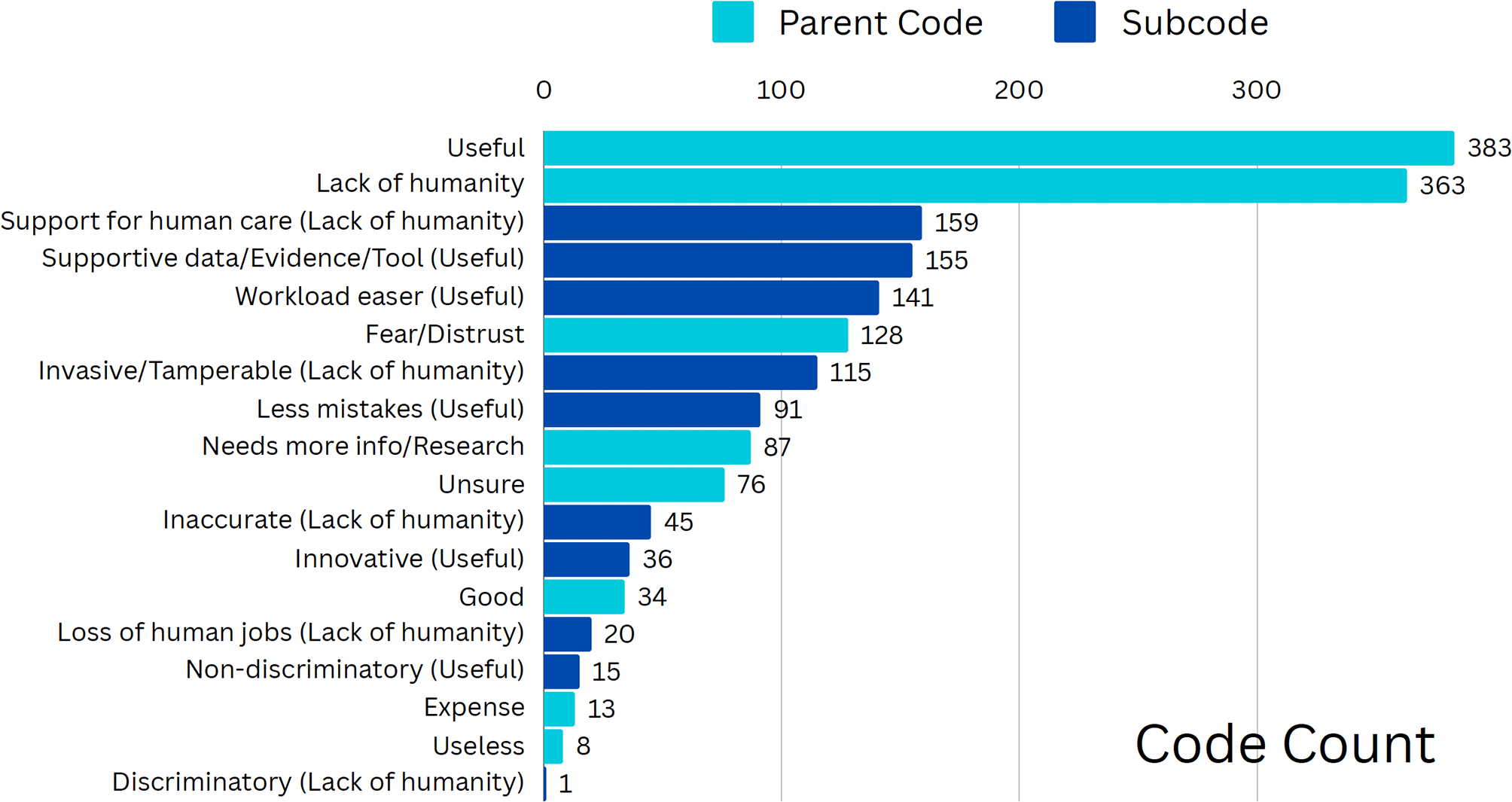
In the rapidly evolving landscape of healthcare, the integration of artificial intelligence (AI) stands as a beacon of both promise and concern. The research underscores a significant tension: while AI has the capability to enhance healthcare delivery, there is palpable unease about its impact on the traditional physician-patient relationship.

By |November 27, 2024|Categories: Article, Ethics, Healthcare|Tags: , |0 Comments

The Ethical Dilemmas of AI: A Modern Conundrum

As artificial intelligence (AI) technology advances, it presents a myriad of ethical dilemmas and challenges that demand urgent attention. The USC Annenberg School for Communication and Journalism recently explored these pressing issues, highlighting the complexities involved in AI's deployment.

By |November 27, 2024|Categories: Article, Ethics, Technology|Tags: , |0 Comments