In a world where the only constant is change, the real estate industry is bracing itself for a transformative year ahead. The Counselors of Real Estate, a global organization of property advisers, has unveiled its annual report, spotlighting the top 10 issues poised to impact the real estate market in 2025.
Political Uncertainty
Political uncertainty looms large with elections in over 70 countries, including the United States, potentially reshaping regulations and policies crucial to real estate. As Anthony DellaPelle, global chair of CRE, notes, these elections could significantly influence trade, corporate taxes, and sustainability policies.
High Financing Costs
Despite a decrease in interest rates, high financing costs continue to cast a shadow over the market. This has made transactions more cautious and complex, with market valuations remaining a tricky terrain to navigate.
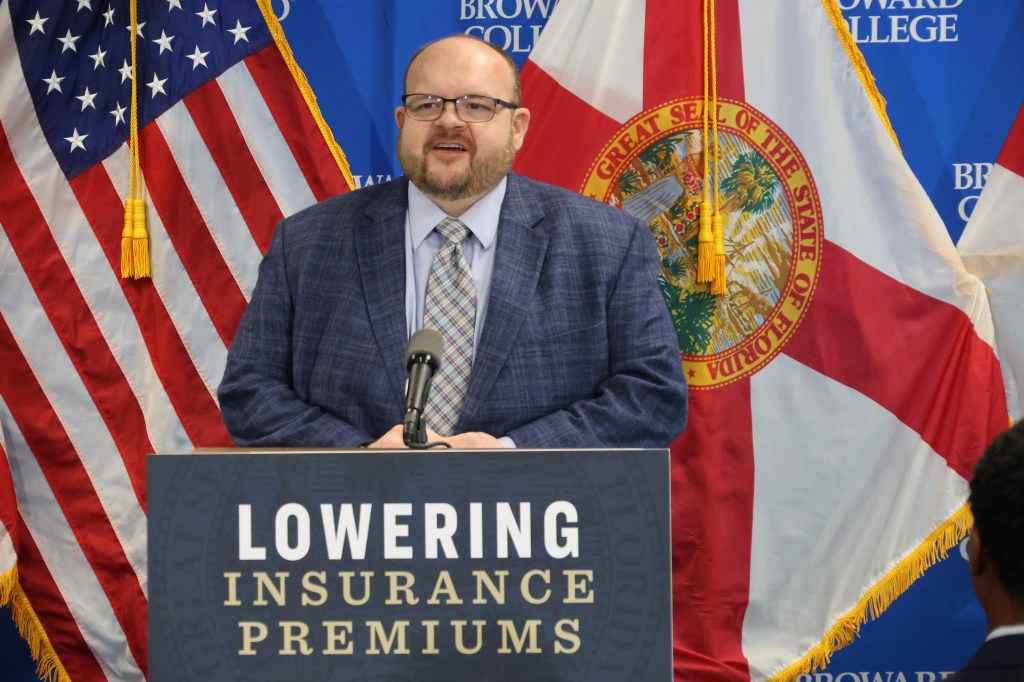
Rising Insurance Costs
The specter of rising insurance costs looms, driven by natural disasters and inflation. With 2023 witnessing $380 billion in economic losses, the need for enhanced risk management strategies has never been more urgent.
Artificial Intelligence
Artificial intelligence is carving out its niche in real estate, with professionals increasingly adopting AI to optimize processes. However, challenges such as data fragmentation and the need for robust computing power persist.
Geopolitics and Regional Wars
Geopolitical conflicts, like those in Ukraine and Gaza, continue to disrupt supply chains and contribute to labor shortages. These factors are expected to keep influencing market dynamics.
Loan Maturities Deadlines
With $1.8 trillion in commercial real estate loans set to mature by 2026, the market faces potential hurdles in terms of loan extensions and regulatory complications.
Housing Affordability
The perennial issue of housing affordability is exacerbated by rising costs and an inventory shortage. The report warns of harsher affordability challenges ahead, urging for increased construction and preservation of affordable units.
Sustainability
Climate change is prompting a call for sustainability in buildings to mitigate damage from extreme weather events. While U.S. regulations remain inconsistent, stricter European standards highlight the urgency for better sustainability practices.
Office Conversions
The office market is undergoing a transformation as vacancy rates rise, pushing towards the conversion of office spaces into residential or other adaptive uses. This shift, though complex, holds potential for revitalizing urban areas.
Price Gap Expectations
A shift in the pricing landscape shows hope as previously large price gaps start to narrow, promising stabilization in asset values.
For those eager to delve deeper into these insights, Anthony DellaPelle will discuss these findings further on November 10 at NAR NXT, The REALTOR® Experience in Boston.
As the real estate industry stands on the cusp of significant change, stakeholders must navigate these challenges and opportunities with agility and foresight. The path forward will require a delicate balance of political acumen, technological adoption, and sustainable practices to thrive in 2025 and beyond.
“`
More Articles
Getting licensed or staying ahead in your career can be a journey—but it doesn’t have to be overwhelming. Grab your favorite coffee or tea, take a moment to relax, and browse through our articles. Whether you’re just starting out or renewing your expertise, we’ve got tips, insights, and advice to keep you moving forward. Here’s to your success—one sip and one step at a time!
Florida’s property insurance market is finally showing signs of recovery after years of soaring premiums, litigation chaos, and insurer withdrawals. With rate increases now the lowest in the nation, Citizens Insurance shrinking, and new carriers re‑entering the state, Insurance Commissioner Michael Yaworsky says the market is turning a corner. But while stabilization is underway, many homeowners are still asking why premiums haven’t dropped—and the answer lies in skyrocketing replacement costs, not rates. As reforms continue and AI, transparency rules, and mitigation incentives expand, real estate and insurance professionals should prepare for an evolving landscape that directly impacts affordability, buyer behavior, and long‑term market confidence.
In a candid conversation with Mortgage Professional America, NAMB president Kimber White lays out a series of structural reforms aimed at restoring homeownership access for millions of Americans. From revitalizing down payment assistance to rethinking loan-level price adjustments and incentivizing builders, White argues that meaningful affordability relief is achievable—but only through coordinated policy changes that address both costs and inventory shortages.
Artificial intelligence is rapidly transforming the insurance world, but a major power struggle is unfolding over who gets to regulate it. As insurers adopt AI at record speed, state regulators and the federal government are clashing over oversight authority—especially after a new executive order aims to put Washington in charge. With states pushing back and new evaluation tools on the horizon, the future of AI in insurance is becoming one of the biggest regulatory battles professionals need to watch.
A new CBRE Investor Intentions Survey shows that 2026 is shaping up to be a strong year for commercial real estate, with 95 percent of investors planning to buy more assets and over half increasing their capital allocation. Stabilizing pricing, improving market fundamentals, and expectations of cooling debt costs are driving renewed optimism as investors target high‑growth markets like Dallas, Atlanta, Tampa, and Charlotte, while doubling down on multifamily, industrial, and value‑add strategies.
Lofty has introduced Lofty AOS, the first agentic AI operating system built to autonomously manage real estate workflows—from lead engagement to marketing, transactions, and website creation. Unlike traditional AI that waits for prompts, Lofty’s system operates like a full digital workforce, coordinating tasks across specialized AI agents. As this technology transforms daily operations for agents and brokerages, professionals with strong training and licensing will become even more essential.
The Federal Reserve has started 2026 by keeping interest rates unchanged, despite political pressure, stubborn inflation, and a cooling job market. While consumers don’t pay the federal funds rate directly, its effects ripple through mortgages, credit cards, auto loans, and savings accounts. Mortgage affordability remains tight, credit card APRs are easing slowly, auto loan balances are climbing, and savings yields are one of the few bright spots. For real estate, mortgage, and finance professionals, understanding these shifts is essential as the market braces for another complex year.