In a world where the only constant is change, the real estate industry is bracing itself for a transformative year ahead. The Counselors of Real Estate, a global organization of property advisers, has unveiled its annual report, spotlighting the top 10 issues poised to impact the real estate market in 2025.
Political Uncertainty
Political uncertainty looms large with elections in over 70 countries, including the United States, potentially reshaping regulations and policies crucial to real estate. As Anthony DellaPelle, global chair of CRE, notes, these elections could significantly influence trade, corporate taxes, and sustainability policies.
High Financing Costs
Despite a decrease in interest rates, high financing costs continue to cast a shadow over the market. This has made transactions more cautious and complex, with market valuations remaining a tricky terrain to navigate.
Rising Insurance Costs
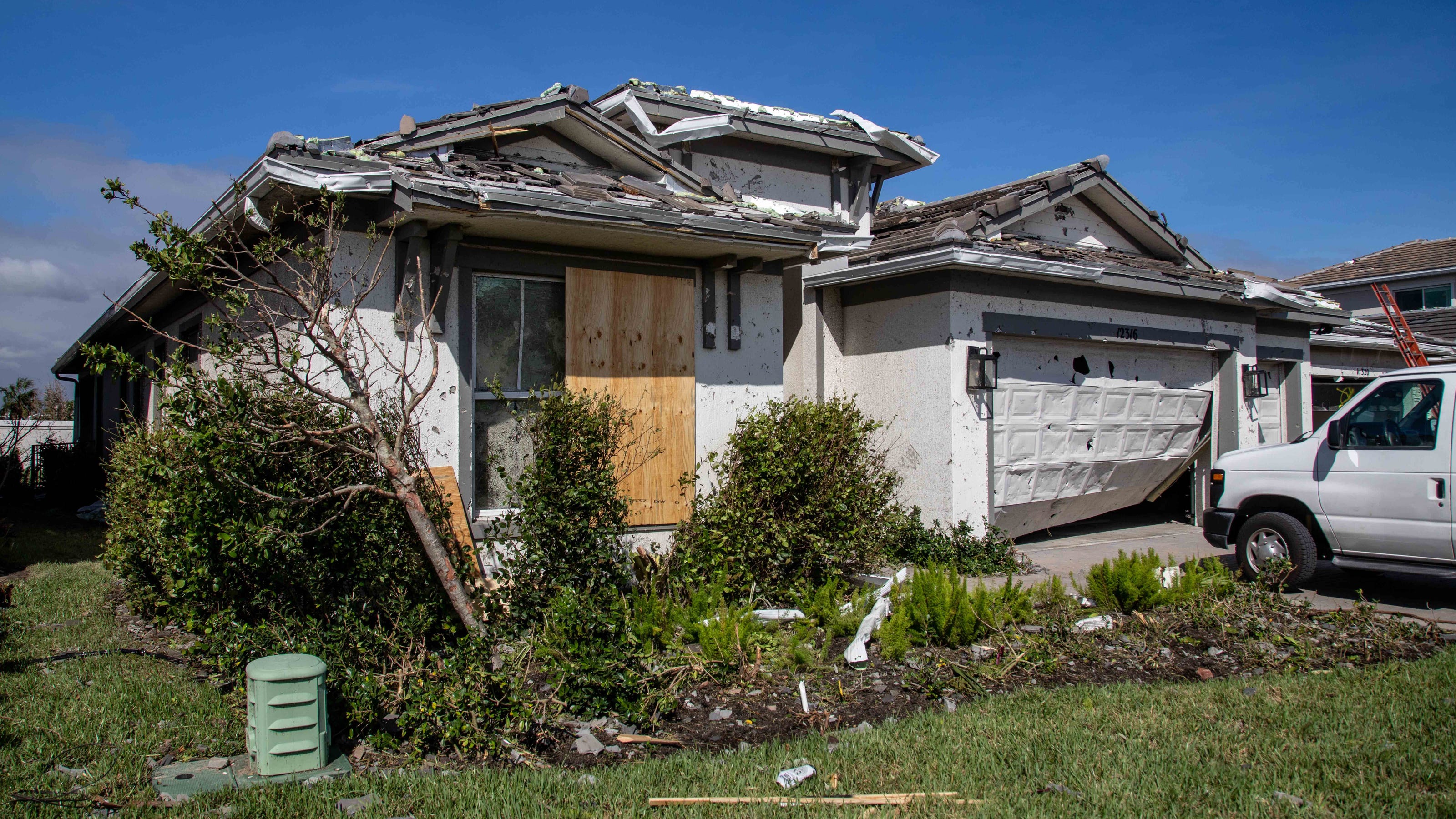
The specter of rising insurance costs looms, driven by natural disasters and inflation. With 2023 witnessing $380 billion in economic losses, the need for enhanced risk management strategies has never been more urgent.
Artificial Intelligence
Artificial intelligence is carving out its niche in real estate, with professionals increasingly adopting AI to optimize processes. However, challenges such as data fragmentation and the need for robust computing power persist.
Geopolitics and Regional Wars
Geopolitical conflicts, like those in Ukraine and Gaza, continue to disrupt supply chains and contribute to labor shortages. These factors are expected to keep influencing market dynamics.
Loan Maturities Deadlines
With $1.8 trillion in commercial real estate loans set to mature by 2026, the market faces potential hurdles in terms of loan extensions and regulatory complications.
Housing Affordability
The perennial issue of housing affordability is exacerbated by rising costs and an inventory shortage. The report warns of harsher affordability challenges ahead, urging for increased construction and preservation of affordable units.
Sustainability
Climate change is prompting a call for sustainability in buildings to mitigate damage from extreme weather events. While U.S. regulations remain inconsistent, stricter European standards highlight the urgency for better sustainability practices.
Office Conversions
The office market is undergoing a transformation as vacancy rates rise, pushing towards the conversion of office spaces into residential or other adaptive uses. This shift, though complex, holds potential for revitalizing urban areas.
Price Gap Expectations
A shift in the pricing landscape shows hope as previously large price gaps start to narrow, promising stabilization in asset values.
For those eager to delve deeper into these insights, Anthony DellaPelle will discuss these findings further on November 10 at NAR NXT, The REALTOR® Experience in Boston.
As the real estate industry stands on the cusp of significant change, stakeholders must navigate these challenges and opportunities with agility and foresight. The path forward will require a delicate balance of political acumen, technological adoption, and sustainable practices to thrive in 2025 and beyond.
“`
More Articles
Getting licensed or staying ahead in your career can be a journey—but it doesn’t have to be overwhelming. Grab your favorite coffee or tea, take a moment to relax, and browse through our articles. Whether you’re just starting out or renewing your expertise, we’ve got tips, insights, and advice to keep you moving forward. Here’s to your success—one sip and one step at a time!
Nevada has enacted a first‑in‑the‑nation law permitting insurers to sell homeowners policies that exclude wildfire coverage, a move supporters say could help stabilize premiums but critics warn may leave homeowners financially devastated. The policy shift positions Nevada as a testing ground for potential nationwide changes, raising major implications for real estate, mortgage, and insurance professionals as lenders, high‑risk communities, and regulators navigate the evolving landscape.
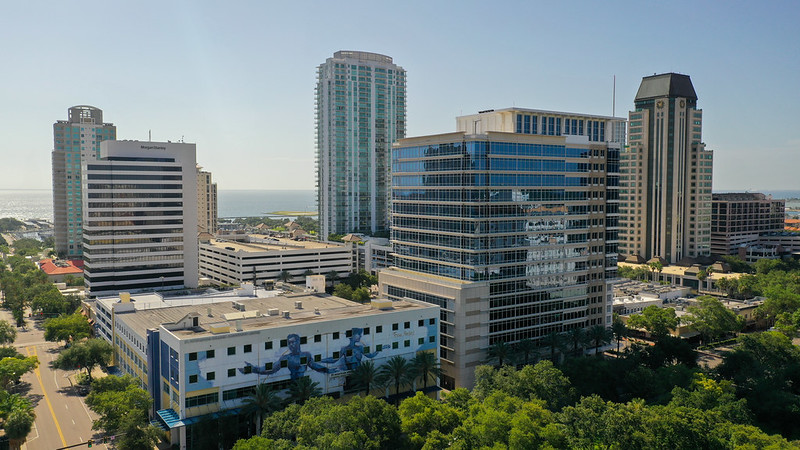
Tampa Bay’s office sector just delivered its most powerful year in nearly a decade, according to JLL’s Q4 2025 report. With more than 600,000 square feet of positive net absorption, falling vacancies, shrinking inventory, and major tenants like Fisher Investments and GEICO locking in massive leases, the region is emerging as one of the nation’s strongest post‑recovery office markets. The surge in demand for high‑quality space is driving rents up, tightening supply, and setting the stage for continued momentum into 2026.
The Consumer Financial Protection Bureau has proposed new updates to the Nationwide Mortgage Licensing System and Registry, expanding data collection, tightening verification standards, and refreshing record‑retention rules. These changes aim to strengthen background checks, enhance regulatory oversight, and align the system with federal requirements—impacting both current and aspiring mortgage loan originators nationwide.
Nevada has become the first state to let insurers sell homeowners policies that exclude wildfire coverage — a dramatic shift that could reshape insurance pricing across the West. Supporters say the move may lower premiums and spark innovation, while critics warn it could leave homeowners exposed to devastating losses. As regulators and insurers nationwide watch closely, the experiment could have major implications for real estate, mortgages, and insurance markets.
After years of soaring premiums and insurer failures, Florida lawmakers are rolling out a new slate of reforms aimed at finally delivering relief to homeowners. From cracking down on profit‑sharing affiliates to unveiling hidden rate factors and rewarding claim‑free residents, these proposals could reshape the state’s insurance landscape — and bring real savings to property owners and real estate professionals alike.
With traditional CRE lending slowing nationwide, C‑PACE financing is surging to all‑time highs — including a record‑setting $465 million loan for a major D.C. redevelopment. Backed by long repayment terms, fixed rates, and tax‑assessment security, C‑PACE is rapidly becoming a preferred tool for funding energy efficiency, resiliency upgrades, and even large‑scale project recapitalizations. Major players like Nuveen Green Capital and Peachtree Group are driving billions in new volume as 40 states adopt the program, signaling a major shift in how commercial real estate projects are financed.