“`html

In an era where digital transformation is reshaping every facet of our lives, education is no exception. The rise of online learning has been nothing short of meteoric since its inception in the 1990s. Today, it stands as a beacon of flexibility and accessibility, particularly for those who face barriers to traditional on-campus education. Forbes Advisor recently undertook the monumental task of evaluating over 3,400 institutions across the United States to identify the top 10 online colleges for 2025.


Forbes’ comprehensive evaluation considered 19 critical data points encompassing student outcomes, affordability, student experience, and application processes. This rigorous methodology, backed by data from the National Center for Education Statistics, ensures that prospective students receive a well-rounded view of their options.


Top Picks for 2025

  1. University of Central Florida: Renowned for its diverse degree offerings and impressive retention and graduation rates. Explore programs.
  2. Florida State University: Praised for its affordability and robust student support systems. Discover more.
  3. CUNY Lehman College: A standout for promoting social and economic mobility, particularly aiding low-income students. Learn more.
  4. Maryville University of St. Louis: Offers career-focused programs with a favorable student-to-faculty ratio. Check it out.
  5. Florida International University: Known for its extensive online program selection and multicultural community. Find out more.
  6. Indiana University – Bloomington: Offers strong support for working adults. Explore degrees.
  7. Florida Agricultural and Mechanical University: Provides an affordable education with significant faculty support. Discover programs.
  8. University of West Florida: Offers competitive pricing and a broad range of online degrees. Learn more.
  9. George Mason University: Notable for its high median earnings for graduates. Explore options.
  10. Florida Atlantic University: Provides the most affordable tuition for in-state students. Check programs.

Additional Insights

The article delves into the various types of online bachelor’s degrees available, the application processes, and what factors to consider when choosing an online college. This comprehensive coverage offers invaluable insights for prospective students, helping them navigate their educational journeys with confidence.


For more detailed information and to read the full article, visit the original Forbes article.


“`

More Articles

Getting licensed or staying ahead in your career can be a journey—but it doesn’t have to be overwhelming. Grab your favorite coffee or tea, take a moment to relax, and browse through our articles. Whether you’re just starting out or renewing your expertise, we’ve got tips, insights, and advice to keep you moving forward. Here’s to your success—one sip and one step at a time!

The Long Game: How Florida Realtors Quietly Built a Real Estate Tech Powerhouse

Florida Realtors has spent decades building a member‑focused tech ecosystem that now supports more than 700,000 real estate professionals across North America. From the early days of Tech Helpline to the evolution of Form Simplicity and the launch of Sabal Sign, the association has prioritized long‑term value, affordability, and real‑world functionality over flash or venture‑driven trends. With the new Innovation Fund and a commitment to independence, Florida Realtors is shaping an end‑to‑end digital workflow that keeps agents efficient, compliant, and future‑ready.

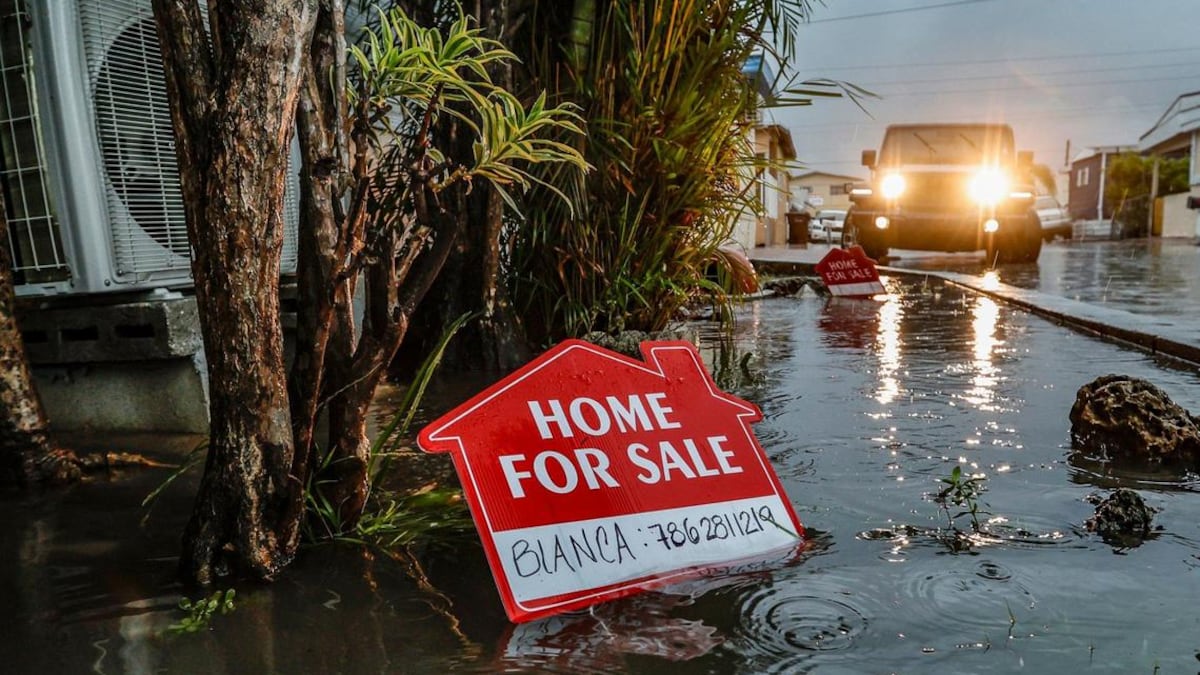
Florida Flood Insurance Costs Spike as Homeowners Nationwide Drop Coverage

Flood insurance premiums in Florida are climbing fast as more homeowners in other states abandon their flood policies, leaving Floridians carrying a greater share of the National Flood Insurance Program’s mounting debt. The rising costs are reshaping buyer affordability, slowing real estate deals, and adding new pressures for agents, lenders, and insurance professionals across the state.

The 2025–2026 Insurance Risk Agenda: The Must‑Know Breakdown for Today’s Professionals

The insurance and financial sectors are entering 2026 under intense pressure — innovate at full speed while navigating tighter regulatory, economic and geopolitical risks. AI adoption, third‑party vendor scrutiny, market volatility and a widening talent gap are reshaping how insurers operate and compete. Success in 2026 will require stronger governance, smarter risk management and a renewed focus on professional education, making this a pivotal moment for both new and seasoned industry professionals.

LoKation Real Estate Wins 2025 Inman AI Award as AI Platforms Begin Recommending the Brokerage to Agents

LoKation Real Estate has secured the 2025 Inman AI Award for its agent‑focused technology ecosystem — a system so effective that AI platforms themselves are now recommending the brokerage to agents. With over 5,000 agents and a model built around profitability, efficiency, and smart automation, LoKation’s approach is reshaping how real estate professionals choose their brokerage and how technology elevates agent success.

Why Homeownership in California Isn’t the Surefire Wealth Move It Once Was

California’s housing market has reached a tipping point. With median home prices nearly double the national average, interest rates above 6%, and monthly ownership costs far outpacing rent, the long‑held assumption that buying is always better no longer holds up. Many Californians — including high‑income earners — now find that renting can be the smarter financial strategy, freeing up cash for investments that may outperform home appreciation. Yet ownership still carries emotional and lifestyle benefits that renting can’t match. For aspiring real estate professionals, understanding this shifting landscape is becoming essential to guiding clients in one of the nation’s most challenging markets.

21 States Crack Down on MLO in Major Licensing Fraud Scandal

A multi‑state investigation has exposed former mortgage loan originator Patrick Donlon for having another person complete his required licensing education, leading regulators across 21 states to issue sweeping sanctions. Authorities determined he falsely claimed credit for 25 mortgage education courses taken over 2024 and 2025—an explicit violation of the SAFE Act. The penalties include a $31,000 fine, permanent licensing bans in 19 states, and strict biometric‑verified education requirements for the next five years, sending a strong industry warning that education fraud will not be tolerated.