Top 2026 Commercial Real Estate Issues to Watch: What Pros Need to Know Right Now
Economic uncertainty, AI transformation, evolving population trends, and rising portfolio risks are shaping the 2026 commercial real estate landscape, according to the Counselors of Real Estate and the National Association of Realtors®. For professionals across Florida and the nation, these shifts open both opportunities and challenges—especially for those committed to growth through ongoing professional education.
1. Fiscal & Monetary Policy
Even with a soaring $37 trillion national debt and geopolitical tension, the U.S. economy continues to hold firm. But commercial real estate hasn’t enjoyed the same resilience—especially B‑ and C‑class offices.
What it means for you: Those who understand monetary movements will stay ahead of the market.
2. Portfolio Risk
Risk analysis is becoming highly technical. Climate exposure, insurance volatility, and regulatory forces now shape investment decisions. Tools like predictive analytics, drones, and climate‑risk software are rapidly becoming the norm.
Bottom line: Risk fluency is becoming a specialty of its own.
3. Back to Real Estate Fundamentals
With cap rate compression fading, asset managers must return to essentials: location strength, tenant satisfaction, and operational performance.
Translation: Operational excellence beats timing the market.
4. Capital Sources & Flows
Transaction volume has slowed, tightening investment channels. Foreign investors remain cautious, while CRE capital competes with exploding infrastructure sectors like energy and data networks.
Expect: More work—and more scrutiny—when securing funding.
5. Tech Transformation & AI
AI is surging through CRE—from automated underwriting to building optimization. But system fragmentation remains a major obstacle for data consistency.
The warning: Professionals who avoid AI risk falling behind quickly.
6. The Future of Real Estate Decision‑Making
The industry is shifting toward constant data‑driven recalibration using Bayesian models. Gut-feel decision-making is taking a back seat.
Key skill: Real‑time analytical discipline.
7. Global Chess & Market Uncertainty
Rates, tariffs, and global tensions continue to reshape planning. What appears safe today may change quickly.
Advice: Flexibility and multi-scenario preparation are essential.
8. Housing Attainability Crisis
America’s housing shortage continues to intensify. Rhode Island alone requires 40,000 units yet hasn’t built over 3,000 in a year in two decades.
Solution: Zoning reform and public‑private collaboration.
9. Pricing Risk
Nearly $1 trillion in commercial loans mature in 2025 with more peaks ahead. Refinancing pressures will create select distressed opportunities—though not at fire‑sale levels.
Outlook: Strategic timing will matter more than ever.
10. Population & Workforce Flow
Reduced immigration, delayed household formation, and shifting workforce demographics are reshaping developer strategies.
Shift: High‑density, youth‑attracting markets are becoming safer bets.
For professionals navigating these changes, education becomes your competitive edge. Whether you’re earning a license or leveling up your expertise in real estate, mortgage, insurance, finance, or other professional paths, Cameron Academy provides the high‑impact training needed to stay ahead in 2026 and beyond.
Getting licensed or staying ahead in your career can be a journey—but it doesn’t have to be overwhelming. Grab your favorite coffee or tea, take a moment to relax, and browse through our articles. Whether you’re just starting out or renewing your expertise, we’ve got tips, insights, and advice to keep you moving forward. Here’s to your success—one sip and one step at a time!
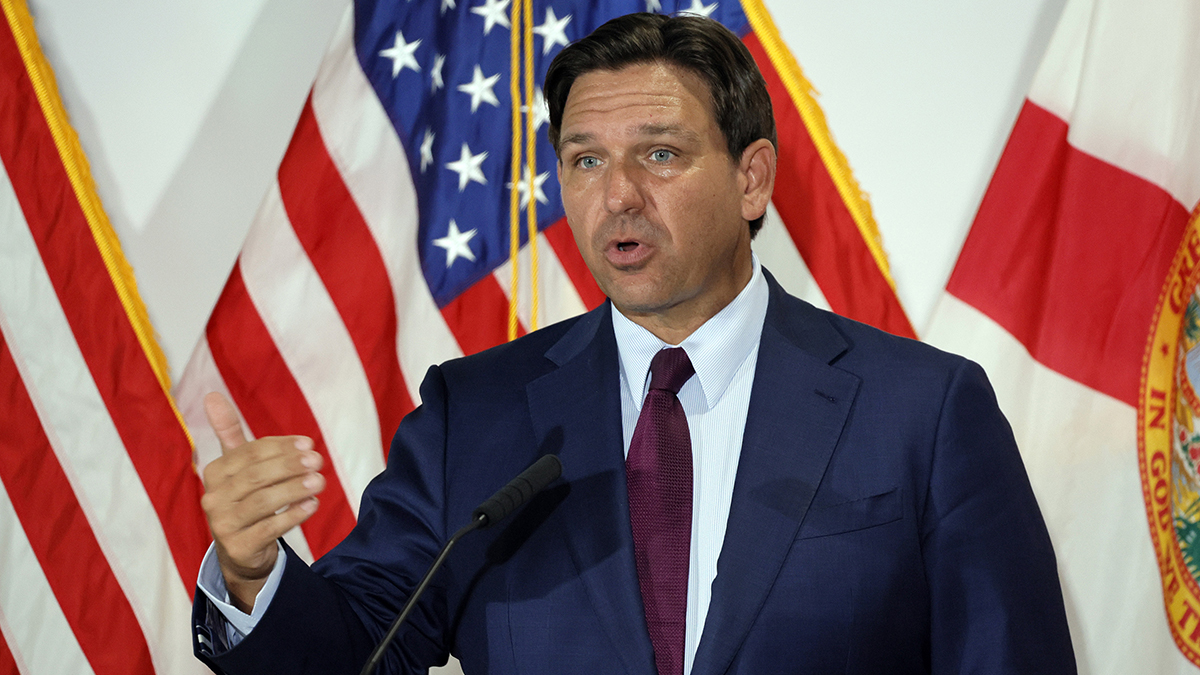
Florida homeowners — especially in hard‑hit South Florida — are set to see rare and substantial reductions in their property insurance premiums. Gov. Ron DeSantis announced an average statewide Citizens Insurance decrease of 8.7%, with even larger savings of up to 14% in counties like Miami-Dade, Broward, and Palm Beach. State officials credit recent legal and regulatory reforms for stabilizing the market, attracting new insurers, and delivering the first meaningful rate relief Floridians have seen in years.
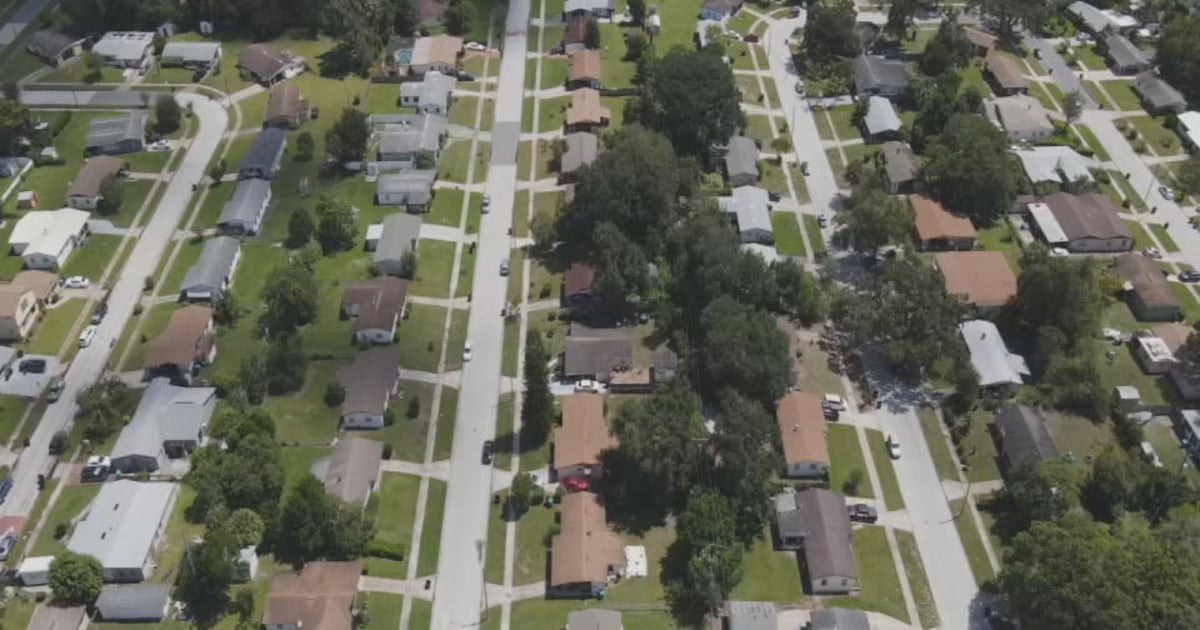
Tampa’s commercial real estate market isn’t slowing—it’s maturing. With strong population growth, rising office demand, a normalized industrial sector, resurgent retail, and an emerging health‑care real estate boom, investors are shifting from speed to strategy. Tighter underwriting, cautious capital and increased due‑diligence are shaping a more disciplined market, creating new opportunities for informed professionals.
Florida homeowners are finally seeing relief as Citizens Property Insurance announces a major 8.7% average rate decrease—far larger than originally proposed. Driven by legislative reforms, fewer lawsuits, and a calm hurricane season, the state’s once‑unstable insurance market is showing real signs of recovery. But with reduced coverage limits and shifting legal protections, experts warn that lower premiums may come with hidden trade‑offs.
After a decade of rising premiums and retreating carriers, Florida homeowners are finally seeing long‑awaited relief. Dozens of insurers have filed for rate decreases—some as high as 11%—thanks to legislative reforms and a stabilizing market. Early approvals are already hitting counties across the state, and experts say the momentum could boost buyer confidence, affordability, and competition throughout Florida’s real estate and insurance sectors.
After years of slowed activity caused by rising interest rates, the self‑storage industry is heating up again. New data from Marcus & Millichap shows a fresh market cycle emerging, driven by renewed buyer confidence, recalibrated pricing, and stronger lender participation. Acquisitions are rebounding, development is resetting in a healthier direction, and financing conditions are improving—creating one of the most promising investment landscapes the sector has seen in years.
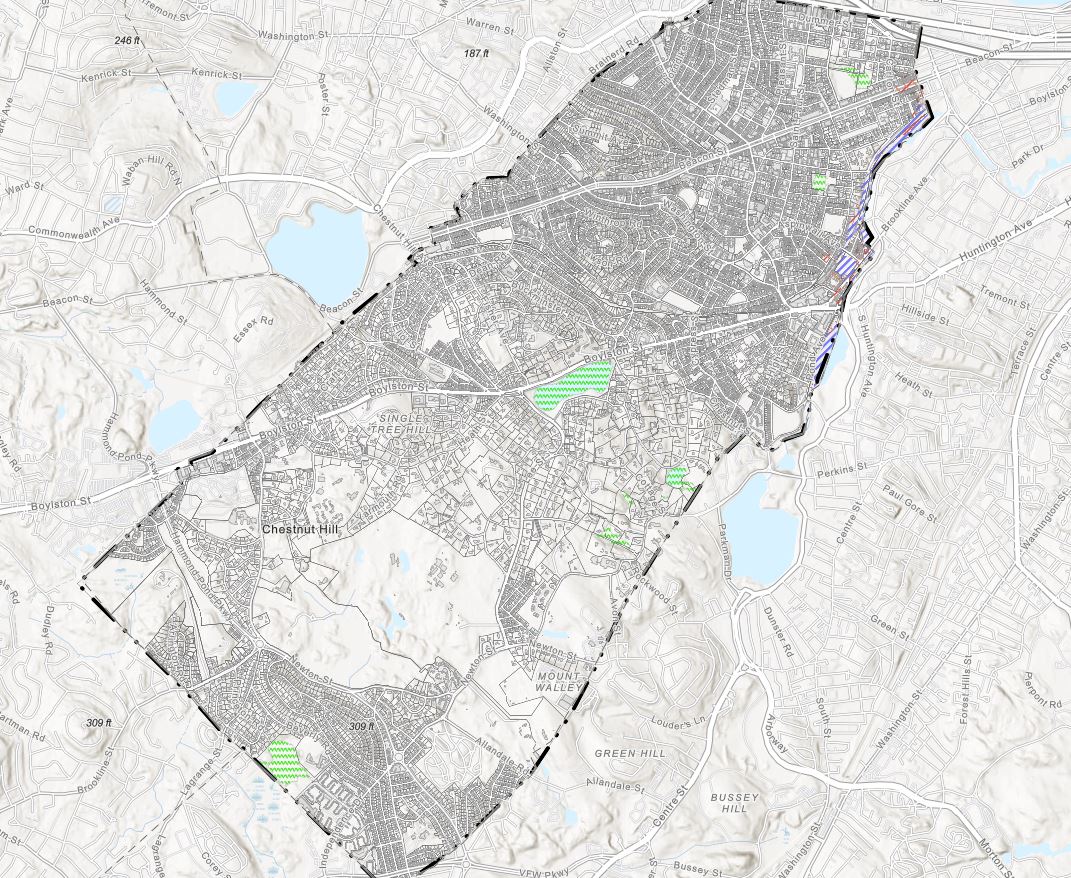
Brookline’s newly updated FEMA flood maps identify 97 high‑risk parcels, but local experts warn the true threat is far greater. While FEMA highlights river‑based flooding around Leverett Pond and the Muddy River, alternative models show more than 1,300 Brookline properties at risk within 30 years. Hidden vulnerabilities along major corridors like Beacon Street, rising rainfall intensity, aging infrastructure, and climate‑driven storm patterns suggest that many “low‑risk” areas may be anything but safe.